NASA Plans Moon Base and Nuclear Mars Mission by 2028
NASA just announced concrete plans to build humanity's first permanent moon base within the next decade, complete with specific timelines and a $30 billion budget. The agency is also targeting a nuclear-propelled mission to Mars by the end of 2028.
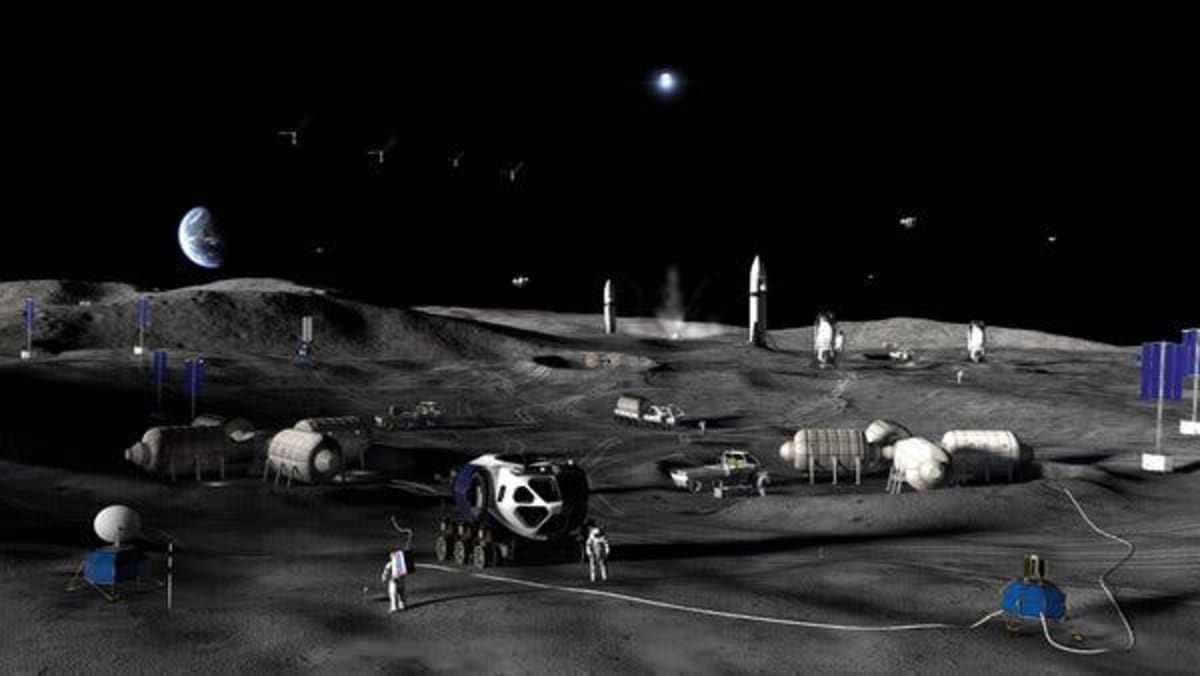
NASA is no longer just dreaming about a moon base. The space agency announced Tuesday it will build humanity's first permanent outpost on another world, with construction beginning in phases over the next seven years.
Administrator Jared Isaacman laid out the ambitious roadmap at a packed auditorium of aerospace leaders and international officials. Instead of vague promises about "someday," NASA now has specific dates, price tags, and deliverables.
The plan unfolds in three stages. Phase one focuses on robotic landers, surface vehicles, and communication systems using a repeatable template approach that learns from each mission. Phase two introduces semi-permanent structures allowing regular astronaut visits.
The final phase creates fully permanent infrastructure where humans can live continuously. NASA will invest $20 billion over seven years for the first two phases, with another $10 billion earmarked for permanent construction.
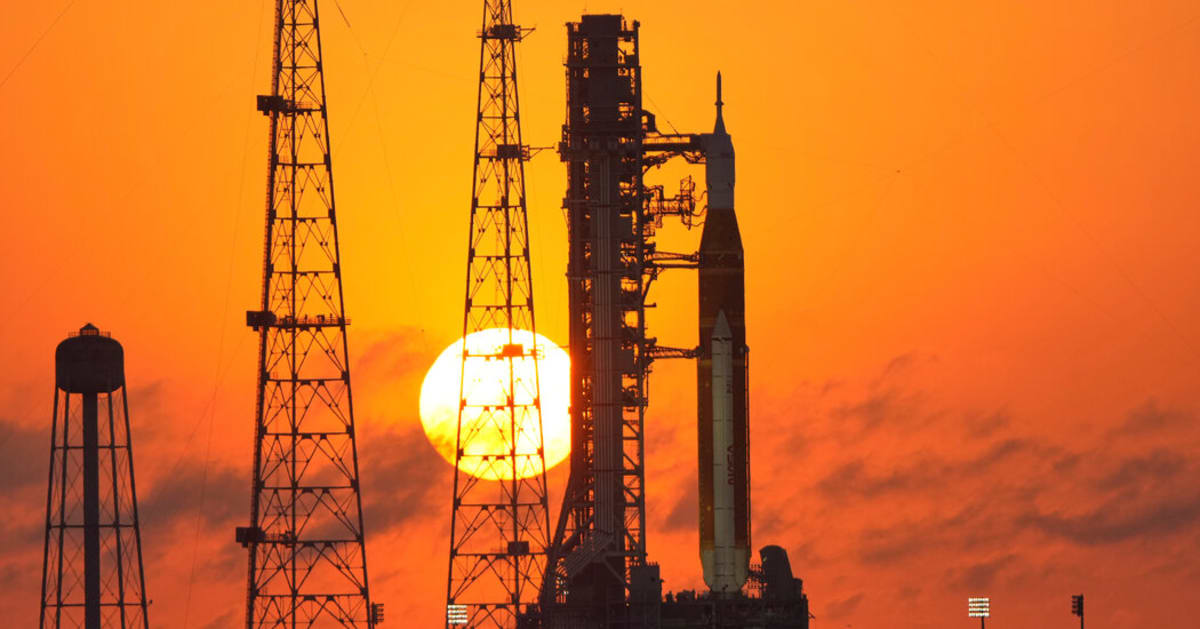
The moon base timeline connects directly to the updated Artemis program. Two moon landings are now planned for 2028 during the Artemis IV and V missions, with the pace accelerating to twice yearly after that. NASA is also asking commercial companies to compete for contracts to replace its current Space Launch System rocket.
Work that was previously devoted to Gateway, a lunar space station now suspended, will redirect toward the base. The shift represents a practical pivot from orbital operations to surface infrastructure.
Meanwhile, NASA confirmed plans to launch a nuclear-propelled spacecraft toward Mars by the end of 2028. Isaacman acknowledged the tight timeline, especially with China aiming to land astronauts on the moon by 2030.
The Ripple Effect
The announcement brings focus and excitement back to NASA at a critical moment. About a fifth of NASA employees recently accepted departure offers during federal downsizing, creating uncertainty about the agency's future.
Now those who remain have clear missions with measurable goals. The first test comes next week when Artemis II launches astronauts around the moon for the first time since 1972.
Isaacman framed the work as inspiration for the next generation, similar to how Apollo moon landings captivated imaginations decades ago. Commercial aerospace companies and congressional members appear supportive of the direction.
The moon base represents more than national achievement. It establishes the blueprint for humans becoming a multi-world species, turning science fiction into engineered reality one mission at a time.
By 2035, humans could be living and working on the moon permanently, with Mars missions following the same proven approach.
More Images
Based on reporting by Google News - Science
This story was written by BrightWire based on verified news reports.
Spread the positivity!
Share this good news with someone who needs it