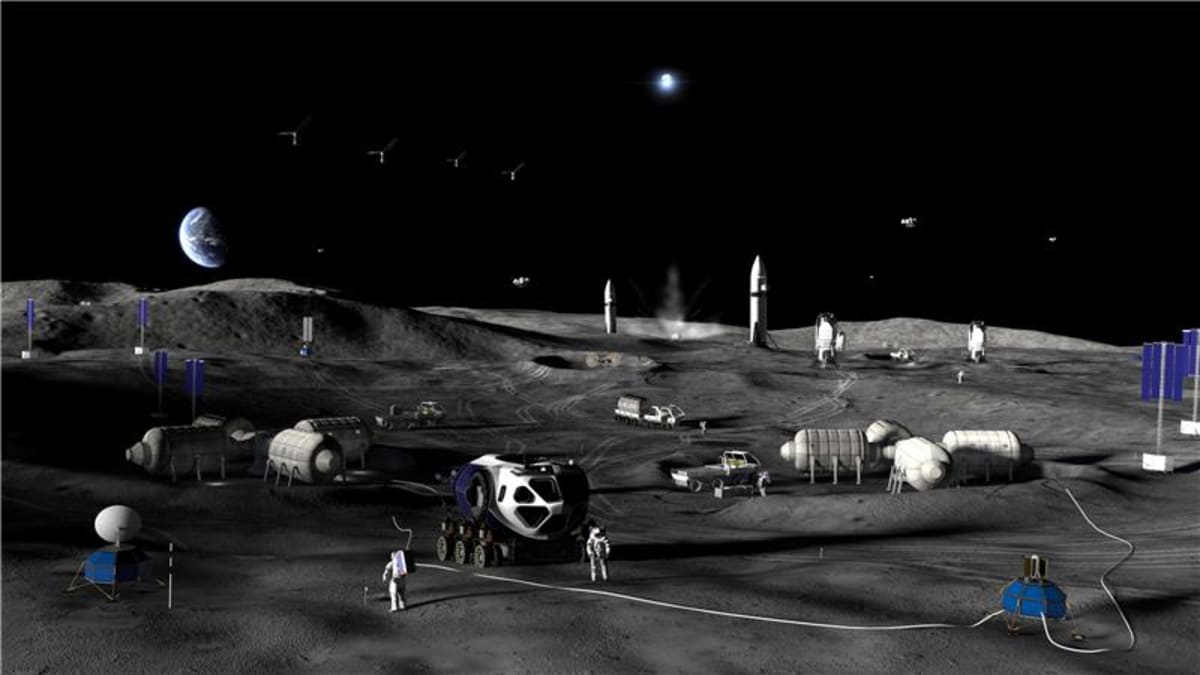
NASA Plans Moon Base by 2028 in 3 Bold Phases
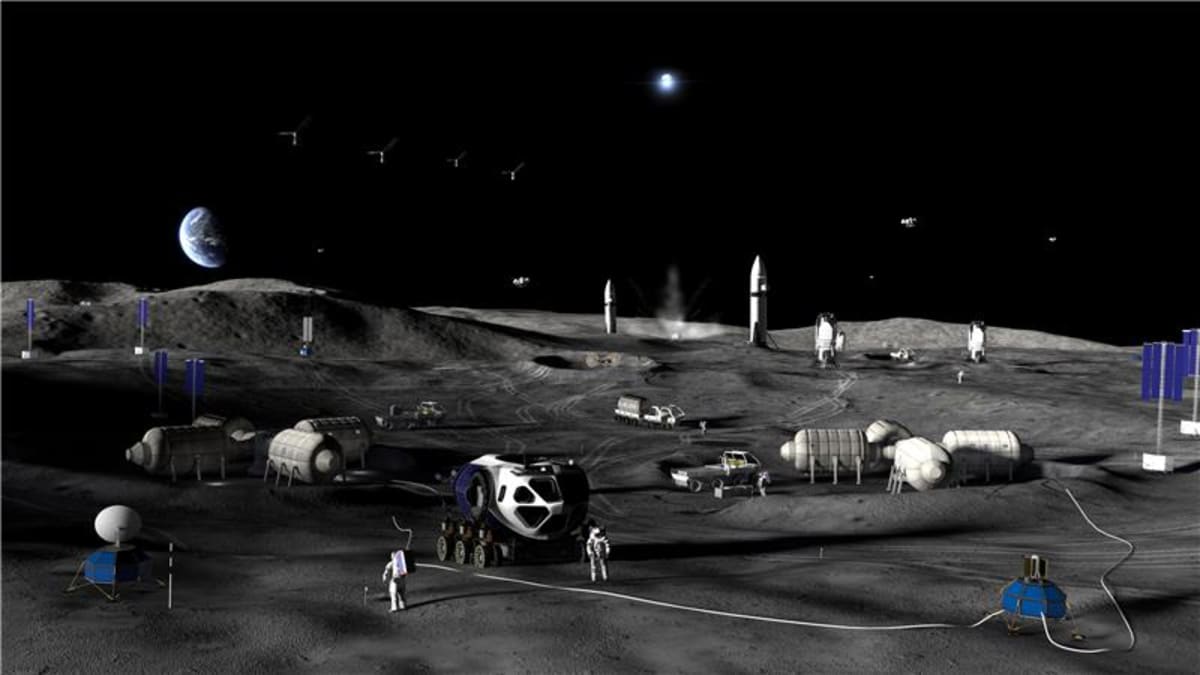
America is returning to the Moon with an ambitious plan to build a permanent lunar base through yearly missions starting in 2027. NASA's new roadmap shifts from one-off expeditions to a repeatable system that could make living on the Moon a reality within years.
NASA just announced its most exciting plan in decades: building a permanent home for humans on the Moon through a three-phase strategy that starts with missions every six months.
The space agency revealed its "Ignition" initiative this week, designed to put Americans back on the lunar surface by 2027 and establish a working Moon base before the decade ends. Administrator Jared Isaacman made it clear this isn't just about planting flags anymore.
"We're shifting from bespoke, infrequent missions to a repeatable, modular approach," said Associate Administrator Amit Kshatriya. Instead of spectacular one-time events, NASA is building a sustainable system that gets stronger with each launch.
The plan starts simple and builds up smartly. Phase One focuses on sending rovers, instruments, and technology demonstrations through commercial partners to test essential systems like power generation and communications. Think of it as learning to crawl before running.
Phase Two brings the first semi-habitable structures and regular astronaut visits to the surface. Japan will contribute a pressurized rover, while other international partners add scientific equipment and transportation systems. This phase turns occasional visits into routine operations.
Phase Three delivers the heavy infrastructure needed for continuous human presence. Italy will provide multi-purpose habitats, Canada will supply a lunar utility vehicle, and cargo-capable landing systems will haul the equipment that transforms a research outpost into a real base.
NASA is standardizing its Space Launch System rocket and committing to at least one surface landing every year after 2027. The Artemis III mission will test integrated systems in Earth orbit first, ensuring everything works before astronauts venture to the lunar surface on Artemis IV.
The agency is also embracing commercial and reusable hardware to keep costs down and launch frequency up. This practical approach means more missions, more learning, and faster progress toward that permanent presence.
The Ripple Effect
This lunar strategy does more than advance space exploration. By opening the Moon's surface to researchers and students nationwide, NASA is creating opportunities for the next generation of scientists and engineers to contribute to humanity's greatest adventure.
The shift to frequent, affordable missions means universities, companies, and international partners can all participate in ways that were impossible during the Apollo era. Every six months, new experiments launch and new discoveries return.
The agency is also investing heavily in its workforce, bringing critical skills back in-house and creating clear career pathways for young professionals. When NASA succeeds, it inspires millions of students to pursue science and technology careers.
Meanwhile, the International Space Station continues its groundbreaking work in low Earth orbit. NASA is building a competitive commercial ecosystem there too, ensuring America maintains its presence above and beyond Earth while reaching for the Moon.
The Moon base represents more than national achievement—it's a stepping stone to Mars and the gateway to deep space exploration that seemed like science fiction just years ago.
More Images
Based on reporting by NASA
This story was written by BrightWire based on verified news reports.
Spread the positivity!
Share this good news with someone who needs it