NASA Plans New Moon Mission Test for 2027
NASA is planning an exciting extra mission before astronauts land on the Moon again. The new Artemis III will test critical spacecraft in Earth orbit to make the lunar landing safer.
NASA is adding a smart safety step to its Moon program that could make all the difference when astronauts finally touch down on the lunar surface.
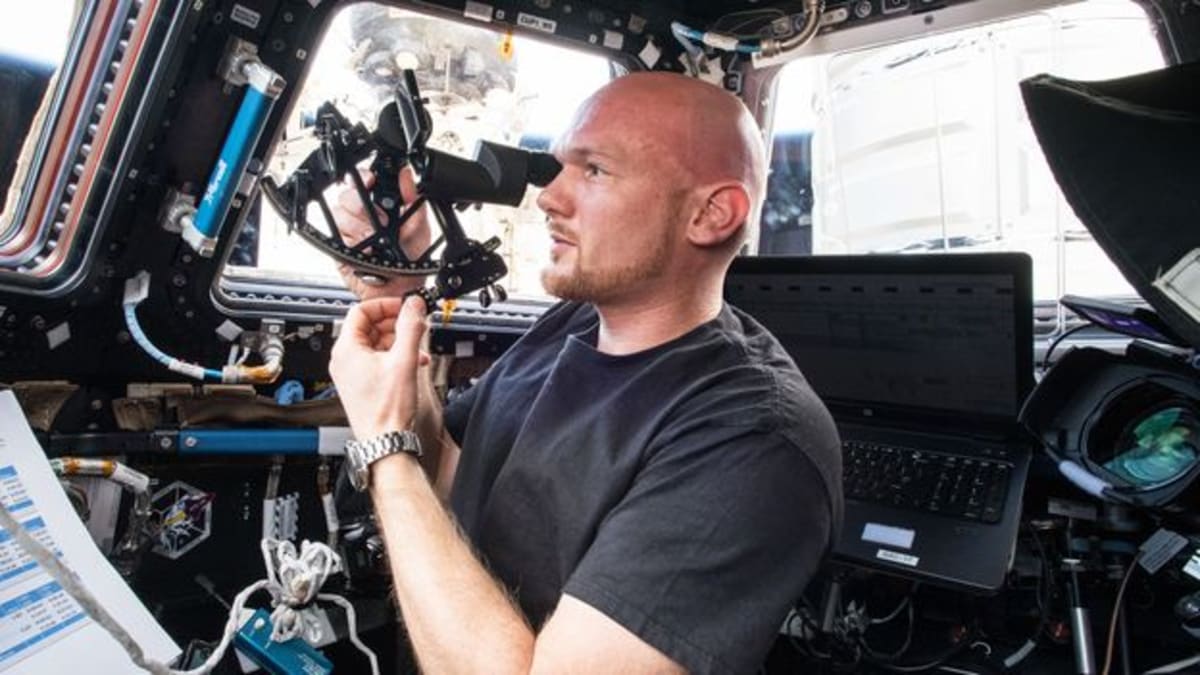
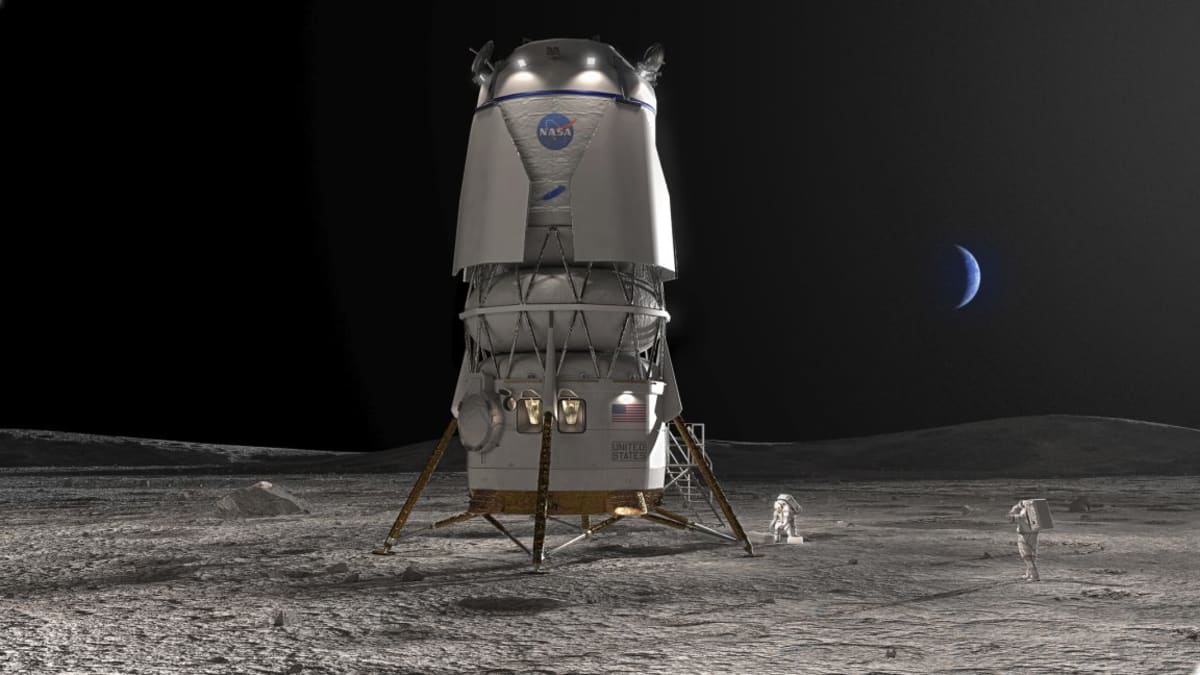
The space agency announced it's inserting a new test mission called Artemis III in 2027, flying in Earth orbit instead of going straight to the Moon. This extra rehearsal will let astronauts practice linking up with the lunar landers being built by SpaceX and Blue Origin before attempting the real thing.
NASA Administrator Jared Isaacman shared Tuesday that the team is deciding between two different orbital heights for the test. Low Earth orbit sits between 100 and 1,200 miles up, while high Earth orbit reaches beyond 22,000 miles.
Each option has advantages. The lower orbit would save a valuable rocket stage for future missions. The higher orbit would better match the harsh conditions near the Moon, giving engineers more realistic data about how the spacecraft handles extreme temperatures.
The mission could test both lunar landers if SpaceX's Starship and Blue Origin's Blue Moon stay on schedule. Blue Origin just finished important vacuum chamber testing in Houston, and SpaceX plans to launch its newest Starship version in about a month.
Why This Inspires
This thoughtful approach shows NASA learning from experience and putting astronaut safety first. Rather than rushing to plant flags, the agency is taking time to practice the tricky maneuvers that will keep crews safe millions of miles from home.
The decision also highlights how commercial space companies are becoming true partners in exploration. SpaceX and Blue Origin aren't just contractors anymore—they're building the vehicles that will carry humans to another world.
Isaacman emphasized that frequent launches by these companies will be key not just for returning to the Moon, but for staying there and building a permanent base. The more practice runs these rockets get, the more options NASA has for getting people and equipment to the lunar surface safely.
The plan mirrors Apollo 9, which tested the original lunar lander in Earth orbit back in 1969 before Apollo 11 made history. That cautious step helped ensure Neil Armstrong and Buzz Aldrin's successful Moon landing just months later.
NASA expects to finalize the mission design soon based on how quickly both companies can demonstrate reliable, repeated launches. Every successful flight brings humanity one step closer to a sustainable presence on the Moon.
This extra mission means the lunar landing happens a bit later, but it also means it happens right.
More Images


Based on reporting by Ars Technica
This story was written by BrightWire based on verified news reports.
Spread the positivity!
Share this good news with someone who needs it