NASA Plans Permanent Moon Base by 2030
NASA just unveiled an ambitious roadmap to establish a permanent lunar base within four years, marking humanity's first continuous presence beyond Earth. The plan includes nuclear-powered spacecraft, regular supply missions, and partnerships with Japan, Italy, and Canada.
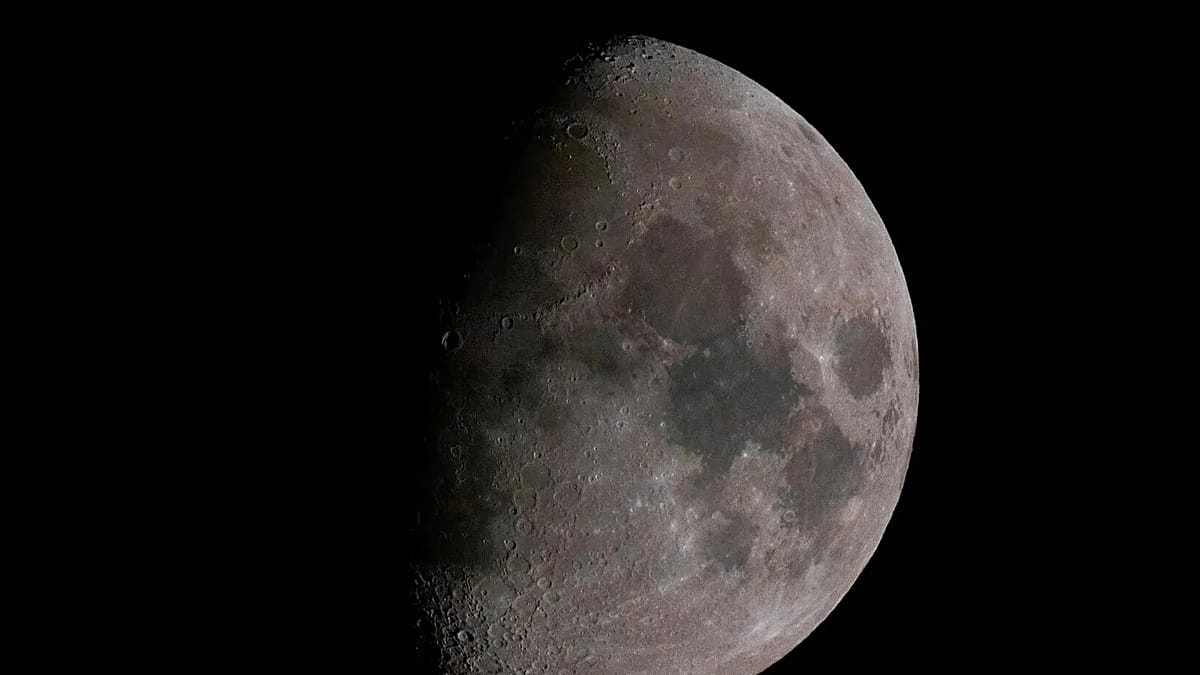
Humanity is about to become a two-planet species. NASA has revealed a detailed, three-phase plan to build a permanent base on the Moon by 2030, transforming decades of brief lunar visits into a sustained human presence beyond Earth.
The strategy starts with sending rovers and instruments to study power generation, communications, and navigation on the lunar surface. This groundwork will ensure future residents have the essentials to survive and thrive.
Phase two focuses on construction and logistics. NASA will partner with Japan's space agency to deliver supplies using pressurized rovers, while building partially livable structures. Regular deliveries will establish the supply chains needed for permanent habitation.
The final phase brings the vision to life with large equipment transfers and continuous human crews. NASA has already locked in partnerships with Italy and Canada for habitation systems, surface mobility, and logistics support.
Administrator Jared Isaacman emphasized the urgency. "The clock is running in this great-power competition, and success or failure will be measured in months, not years," he said at NASA's Ignition event this week.
The agency plans to launch Moon missions every six months after 2027, with at least one lunar landing annually. This aggressive timeline represents a dramatic acceleration from the original Gateway space station concept, which NASA has paused to focus resources on the permanent base.
NASA isn't stopping at the Moon. Before 2028 ends, the agency will launch Space Reactor-1 Freedom, the first nuclear-powered interplanetary spacecraft headed to Mars. This breakthrough technology enables efficient, high-power travel in deep space where solar panels can't generate enough energy.
The Dragonfly mission will send a nuclear-powered octocopter to Saturn's moon Titan in 2028, arriving in 2034 to explore its organic-rich environment for signs of potential life. The Nancy Grace Roman Space Telescope will advance dark energy research, helping us understand why the universe keeps expanding.
The Ripple Effect
This lunar base serves as more than a symbolic achievement. It establishes the infrastructure and expertise needed for eventual Mars missions, creating a stepping stone to deeper space exploration. The technologies developed for lunar habitation will help humanity become a truly spacefaring civilization.
The international partnerships demonstrate how space exploration unites nations toward common goals. Countries are pooling resources, expertise, and innovation to achieve what no single nation could accomplish alone.
Every six months will bring new missions, new discoveries, and new reasons to look up at the Moon knowing people are living and working there.
The permanent lunar outpost represents humanity's greatest adventure yet, proving we can establish new homes among the stars.
More Images

Based on reporting by Euronews
This story was written by BrightWire based on verified news reports.
Spread the positivity!
Share this good news with someone who needs it