NASA Program Teaches 780 Teachers to Honor Indigenous Sites
A NASA program showed teachers how to teach astronomy while respecting the sacred meaning mountaintop observatories hold for Native Hawaiian and Tohono O'odham communities. Over 10 years, 780 teachers learned to frame science as a human story shaped by many cultures.
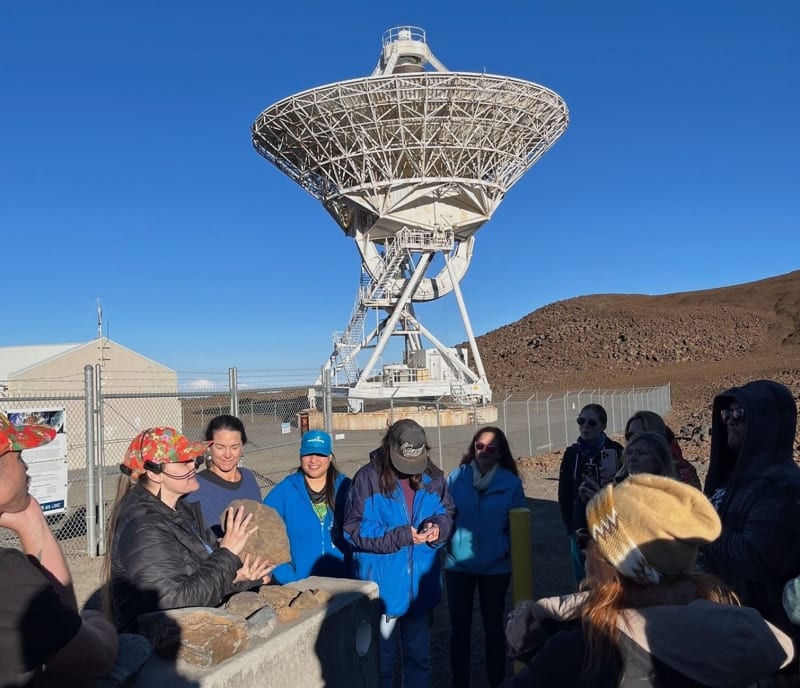
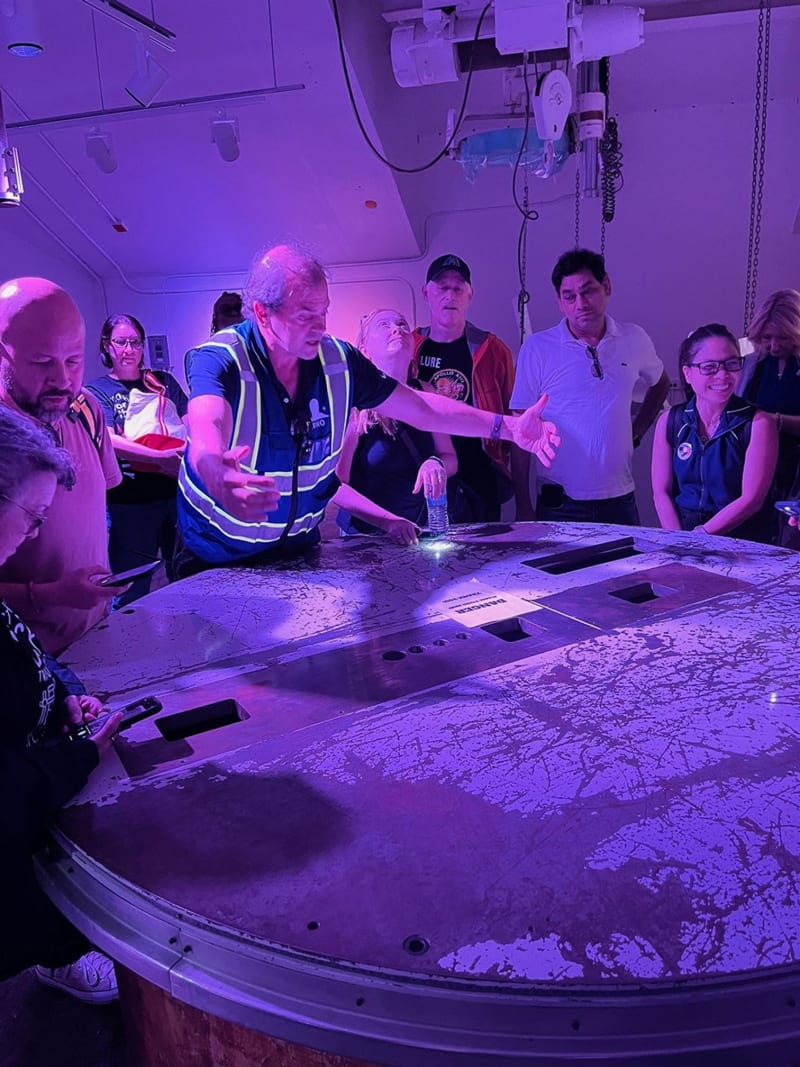
When 16 teachers climbed Hawaii's Maunakea to visit world-class observatories last April, they learned something more valuable than astronomy. They discovered how to teach science as a bridge between cultures, not just a collection of facts.
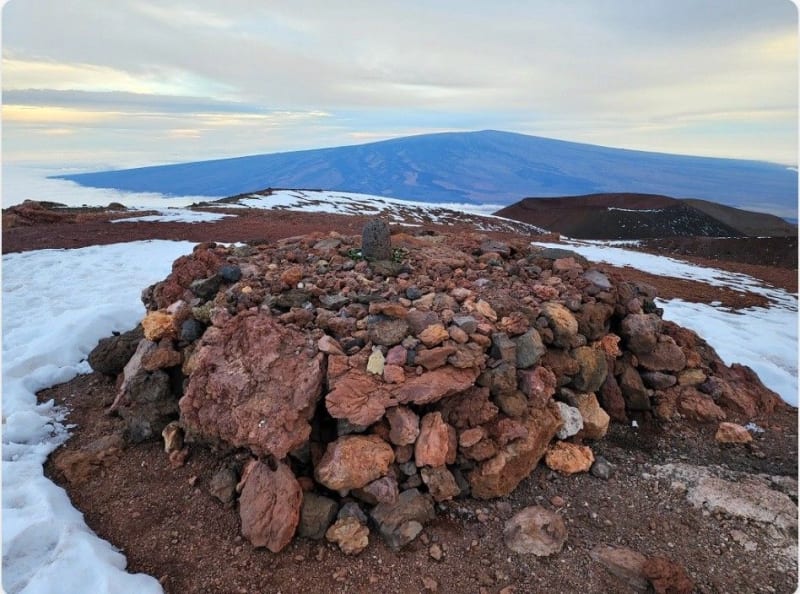
The Astronomy Activation Ambassadors program spent a decade helping teachers see observatory visits as chances to honor both scientific discovery and indigenous wisdom. Mountains like Maunakea and Arizona's Kitt Peak host billion-dollar telescopes, but they've held spiritual significance for local communities for centuries.
At Maunakea's mid-level visitor center, high school teacher and native Hawaiian cultural practitioner Toni Kaui taught fellow educators about the wao akua, the heavenly realm where sacred processes unfold. "This is where we come to have our spiritual connection with the mauna," she explained, helping teachers understand the mountain as more than a research site.
The approach worked because it treated science and culture as partners, not competitors. Teachers visited working observatories while learning the indigenous names and stories tied to each location. Kitt Peak's Tohono O'odham name is I'oligam Du'ag, meaning "Manzanita Shrub Mountain."
Dr. Jacelle Ramon-Sauberan, a Tohono O'odham liaison at Kitt Peak, spoke so compellingly about decades of productive collaboration between astronomers and tribal authorities that teachers voluntarily gave up lunch to hear more. The lease agreement continues "as long as the mountain is used for astronomical study and research," she noted.
NASA's program reached teachers in 46 states and 10 countries over its decade of operation. About 420 teachers received hands-on experiences like observatory visits or flights on NASA's airborne telescope. Their combined classrooms touched an estimated 70,000 students nationwide.
Hawaii middle school teacher Lillian Reynolds captured the program's impact simply: the Maunakea experience taught her to present science through multiple cultural lenses. That lesson matters because students who see their own cultures reflected in science class are more likely to pursue STEM careers.
The Ripple Effect
The program created a virtual tour of Maunakea featuring both native Hawaiian perspectives and researcher insights, now available free through Arizona State University's Infiniscope library. Teachers worldwide can use it to show students that observatories sit at the intersection of cutting-edge science and ancient wisdom.
When teachers learn to honor the full story of these high places, they give students permission to bring their whole selves to science class.
More Images

Based on reporting by NASA
This story was written by BrightWire based on verified news reports.
Spread the positivity!
Share this good news with someone who needs it