NASA Rescues $500M Satellite With Robot Tow Truck in Space
A robotic spacecraft is launching this month to save a billion-dollar satellite from burning up in Earth's atmosphere. The daring rescue mission will use four different vehicles working together to pull off something never done before.
NASA is about to attempt something straight out of science fiction: sending a robot tow truck into space to rescue a satellite before it plummets to a fiery death.
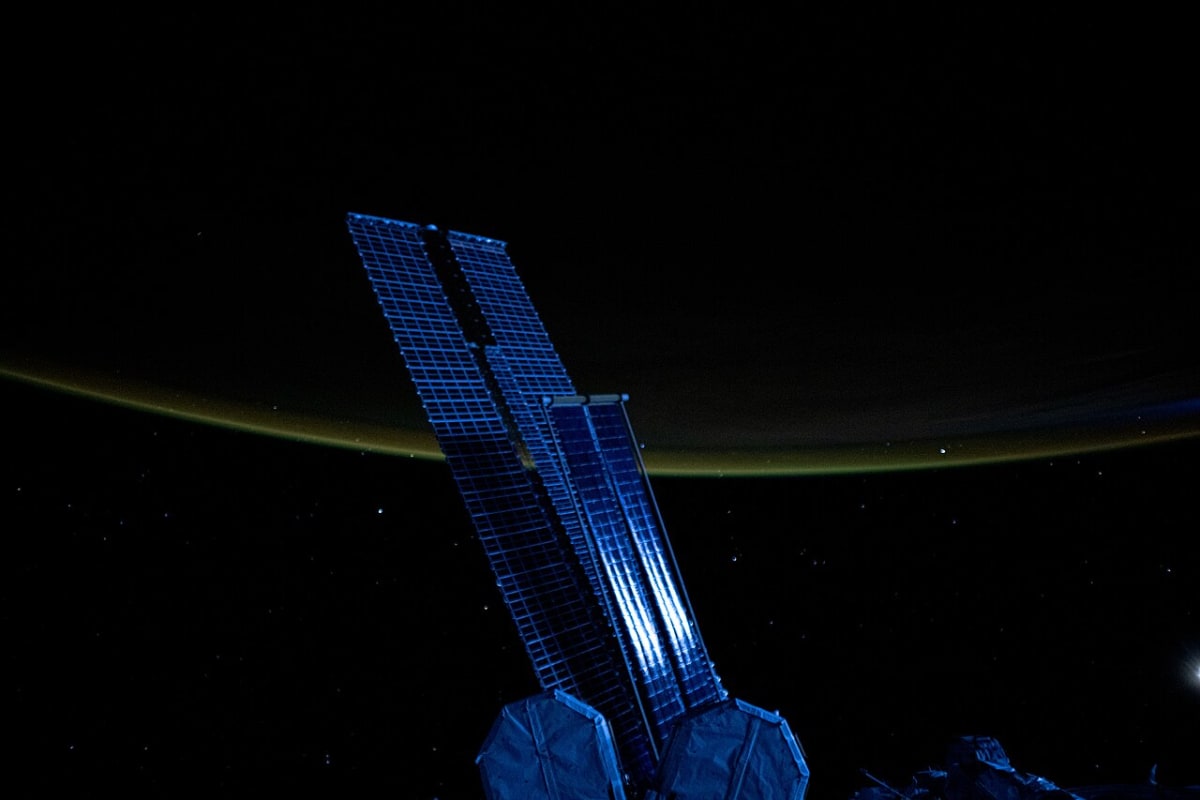
The agency's $500 million Neil Gehrels Swift Observatory has been falling closer to Earth for years, dropping from its original orbit at 373 miles high down to just 249 miles. That might sound high, but it's low enough that the satellite could soon burn up in the atmosphere.
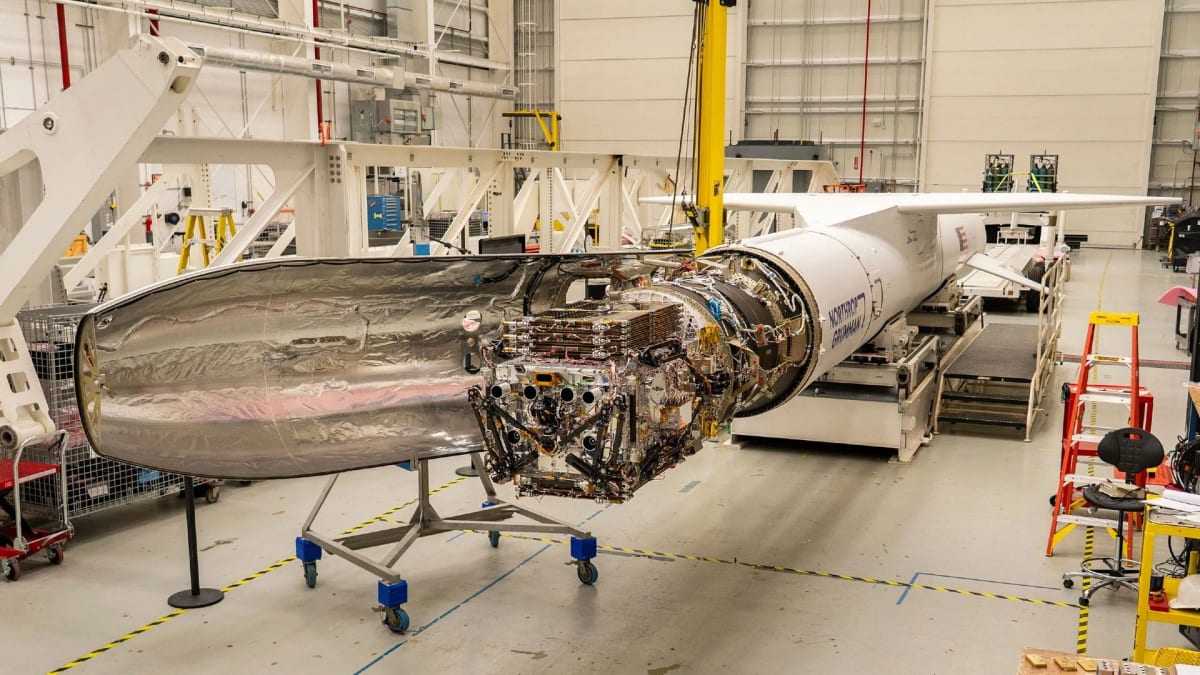
Enter LINK, a robotic servicing spacecraft built by Katalyst Space. Engineers just finished prepping LINK for launch at NASA's Wallops Flight Facility in Virginia, tucking it inside a Northrop Grumman Pegasus XL rocket that will hitch a ride to space aboard a modified jumbo jet.
The mission involves an intricate dance of four vehicles. First, a Lockheed L-1011 TriStar aircraft called Stargazer will carry the Pegasus XL rocket up to 39,000 feet. The rocket will then drop from the aircraft, ignite its motor, and blast LINK into orbit where it will hunt down the falling Swift satellite.
Here's where it gets tricky: NASA is still calculating exactly where Swift will be when LINK arrives. The two spacecraft must rendezvous precisely so LINK can gently boost Swift back up to a healthy orbit.
Swift launched in November 2004 for what was supposed to be a two-year mission studying gamma-ray bursts, the most powerful explosions in the universe. More than two decades later, the hardy satellite is still making discoveries, which is why NASA wants to save it.
Why This Inspires
This mission represents a huge leap forward in how we think about space. Instead of watching expensive satellites become space junk or burn up when their orbits decay, we're learning to fix and refuel them right there in orbit.
The technology being tested with LINK could extend the lives of countless satellites, saving billions of dollars and reducing waste. It's like having AAA roadside assistance, but for space.
If successful, this rescue proves we don't have to throw away valuable scientific instruments just because they're running out of gas. We can give them a second life and keep making discoveries that help us understand our universe.
The mission shows how innovation can turn a looming loss into an inspiring win.
More Images

Based on reporting by Space.com
This story was written by BrightWire based on verified news reports.
Spread the positivity!
Share this good news with someone who needs it