NASA Rescues $500M Telescope in 10-Month Space Mission
A startup built a rescue satellite in record time to save a beloved space telescope from crashing to Earth. The impossible mission launches June 27, proving innovation can happen at lightning speed when it matters most.
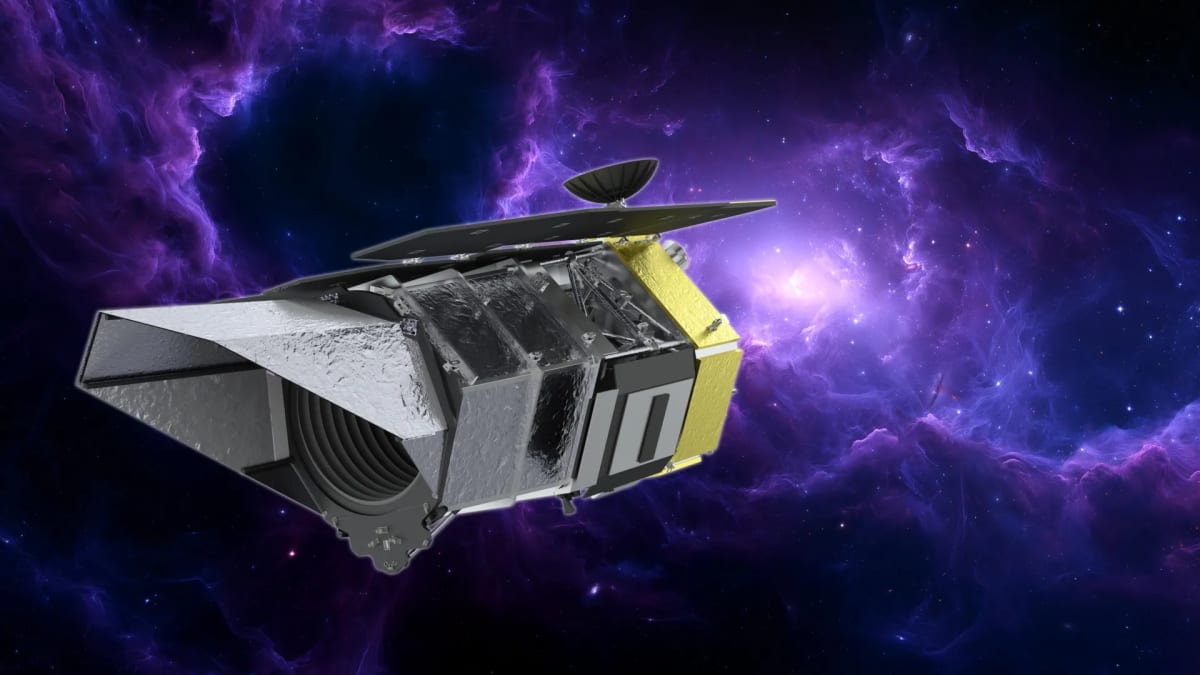
When NASA's Swift telescope started falling from the sky, scientists had less than a year to save a space observatory that's been hunting the universe's most powerful explosions for two decades.
In August 2023, NASA asked three companies a seemingly impossible question: Could they build and launch a rescue satellite in under 12 months on just $30 million? Most experts thought the answer was no.
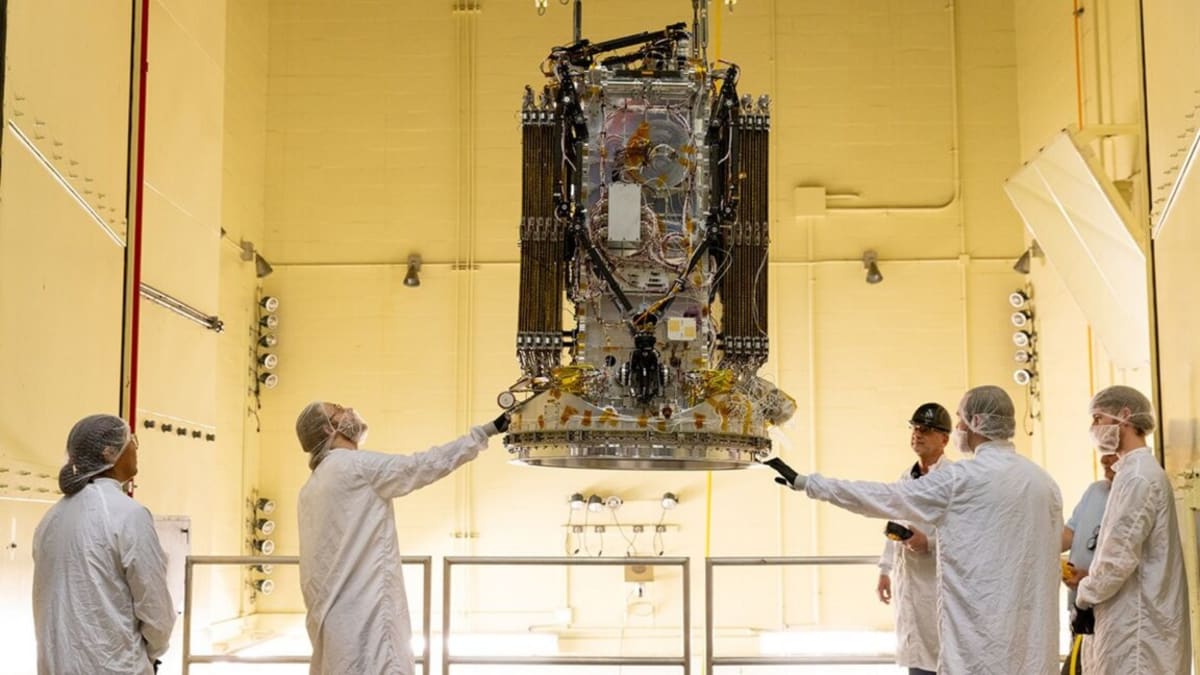
Katalyst Space Technologies, a startup founded just four years ago, said yes. The Colorado company designed Link, a small spacecraft equipped with three robotic arms that will chase down Swift, grab it, and boost it back to a safe orbit 200 miles above Earth.
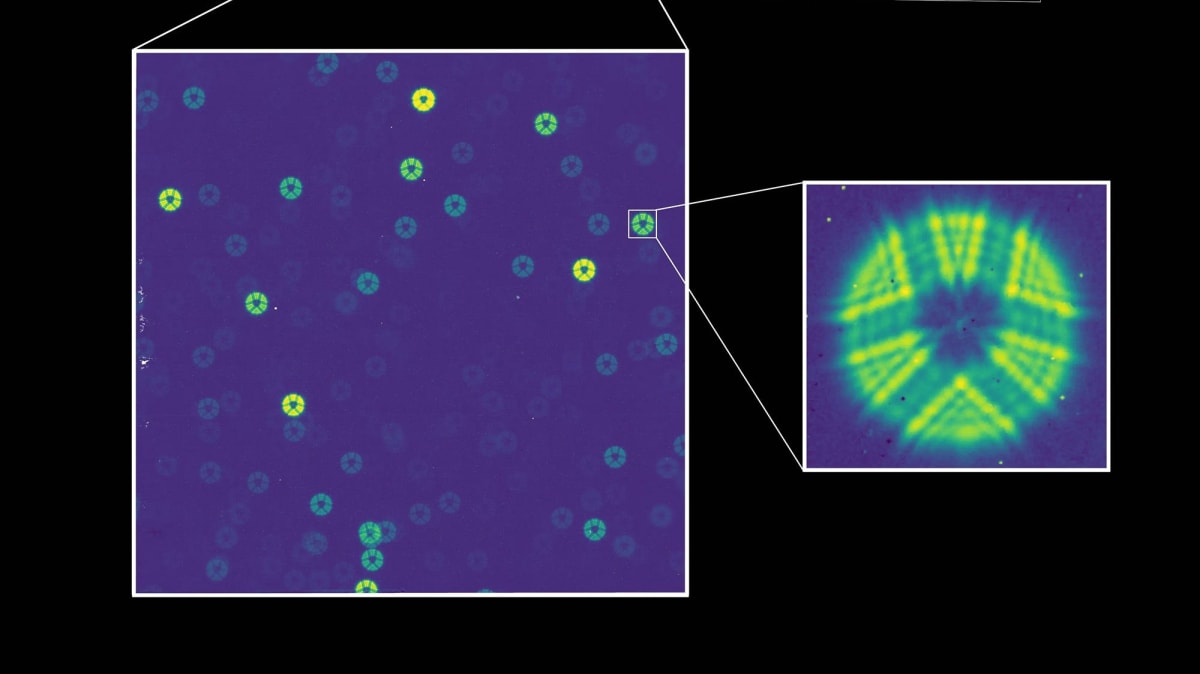
Swift launched in 2004 to detect gamma-ray bursts, the most powerful explosions in the known universe. Despite being 20 years old, it remains scientists' go-to tool for spotting these cosmic events. But Swift was built without thrusters, and atmospheric drag has slowly pulled it downward from its original 363-mile orbit to just 225 miles today.
An unusually active sun made things worse, puffing up Earth's atmosphere and accelerating Swift's descent. Scientists estimate the telescope will drop below 186 miles this October, too low for any rescue attempt to work.
"No one thought it was going to be possible," said Shawn Domagal-Goldman, director of NASA's astrophysics division. "This is not just any spacecraft. It can quickly pivot across the night sky to find things that go boom in the night."
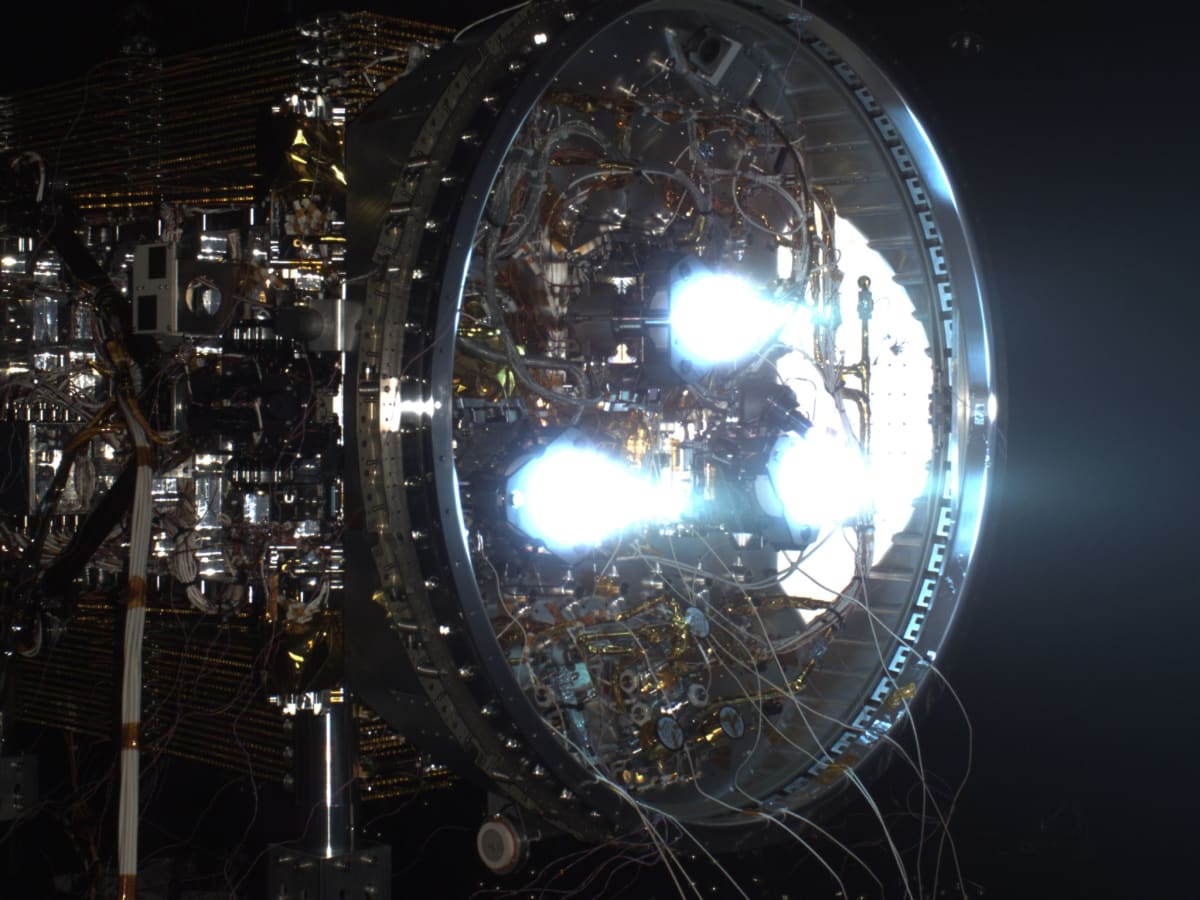
Katalyst pulled off what seemed impossible. Engineers raced to assemble fuel tanks, solar arrays, thrusters, and robotic arms in their factory. The satellite passed crucial tests simulating the harsh conditions of space and launch. Now Link sits ready aboard the final Pegasus XL rocket ever scheduled to fly.
The rescue mission faces one more challenge: reaching Swift's unusual orbit. The telescope circles Earth between 20 degrees north and south of the equator, making it hard to reach from typical launch sites. That's why Northrop Grumman's carrier jet departed Virginia on Thursday for a multi-day flight to the equatorial Pacific near the Marshall Islands.
Why This Inspires
This mission shows what happens when engineers refuse to accept "impossible" as an answer. A team at a young startup compressed years of satellite development into months because a beloved scientific instrument was worth saving.
The collaboration between NASA and a small company also signals a new era in space exploration. Instead of giving up on aging but valuable spacecraft, we now have the technology and creativity to extend their lives.
If Link successfully grabs Swift on its first try, it will mark the first time a commercial spacecraft has rescued a government satellite. That success could inspire similar missions to save other scientific treasures orbiting above us.
Launch is set for June 27, and the world will be watching to see if this David and Goliath story gets its happy ending in space.
More Images


Based on reporting by Ars Technica Science
This story was written by BrightWire based on verified news reports.
Spread the positivity!
Share this good news with someone who needs it