
NASA Returns to Moon After 50 Years: Can You See the Site?
For the first time since 1972, astronauts are heading back to the moon's surface, with NASA targeting nine possible landing sites near the lunar south pole by 2028. While you won't get a perfect view from your backyard, moon gazers with telescopes can spot the historic region using familiar craters as guides.
After more than five decades away, humanity is returning to the moon's surface, and this time we're aiming for uncharted territory.
NASA's Artemis 2 mission launched April 1 with four astronauts on a historic journey to the moon's far side. This crew is testing technology for Artemis 4, which will touch down on the lunar surface in 2028, marking our first moon landing since Apollo 17 returned in December 1972.
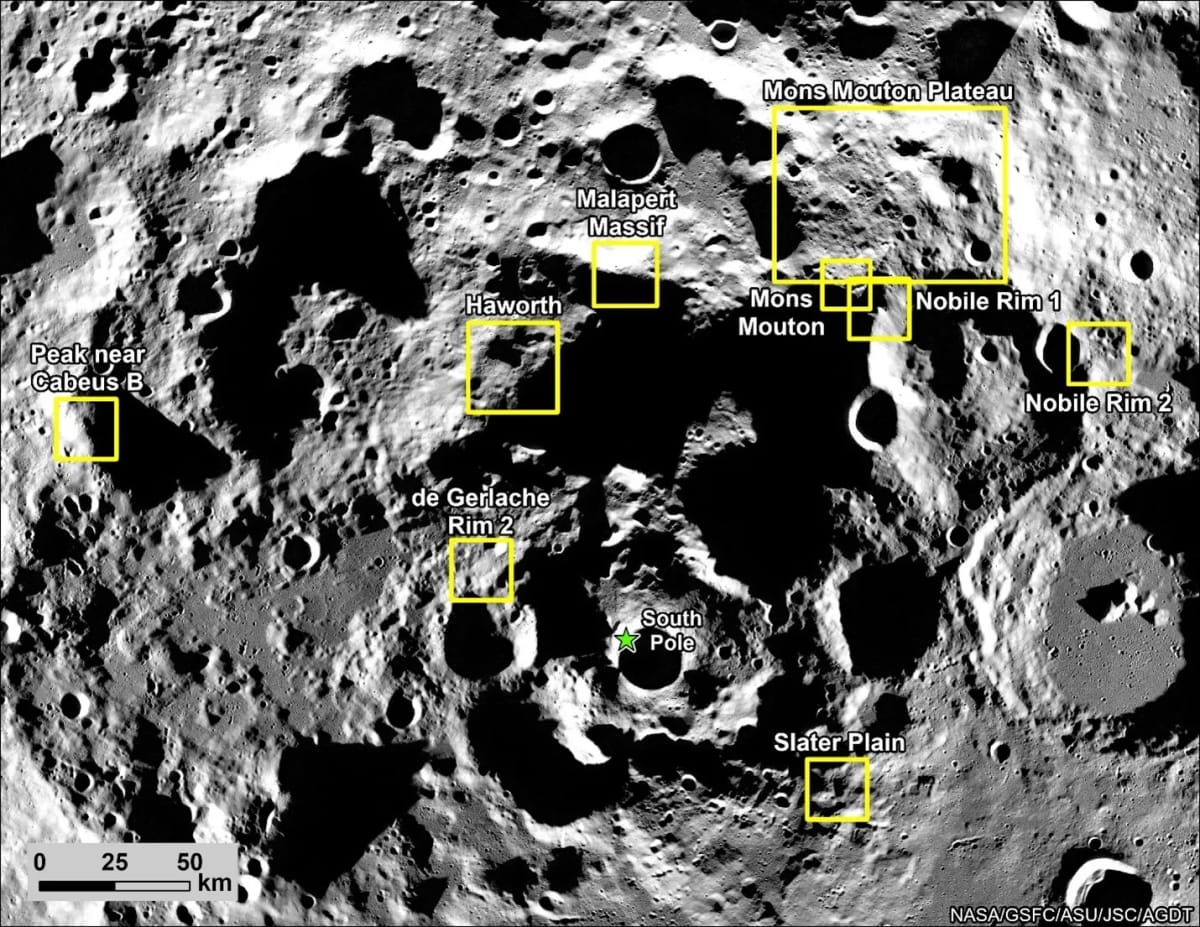
Unlike the Apollo missions that landed near the moon's equator, Artemis is heading south. NASA has identified nine potential landing zones around the lunar south pole, chosen for their scientific value and a tantalizing possibility: ancient ice trapped in permanently shadowed craters.
"It offers access to some of the moon's oldest terrain, as well as cold, shadowed regions that may contain water and other compounds," said Sarah Noble, Artemis lunar science lead. These sites could one day support humanity's first permanent moonbase.
So can you see where history will unfold? The answer is complicated but exciting.
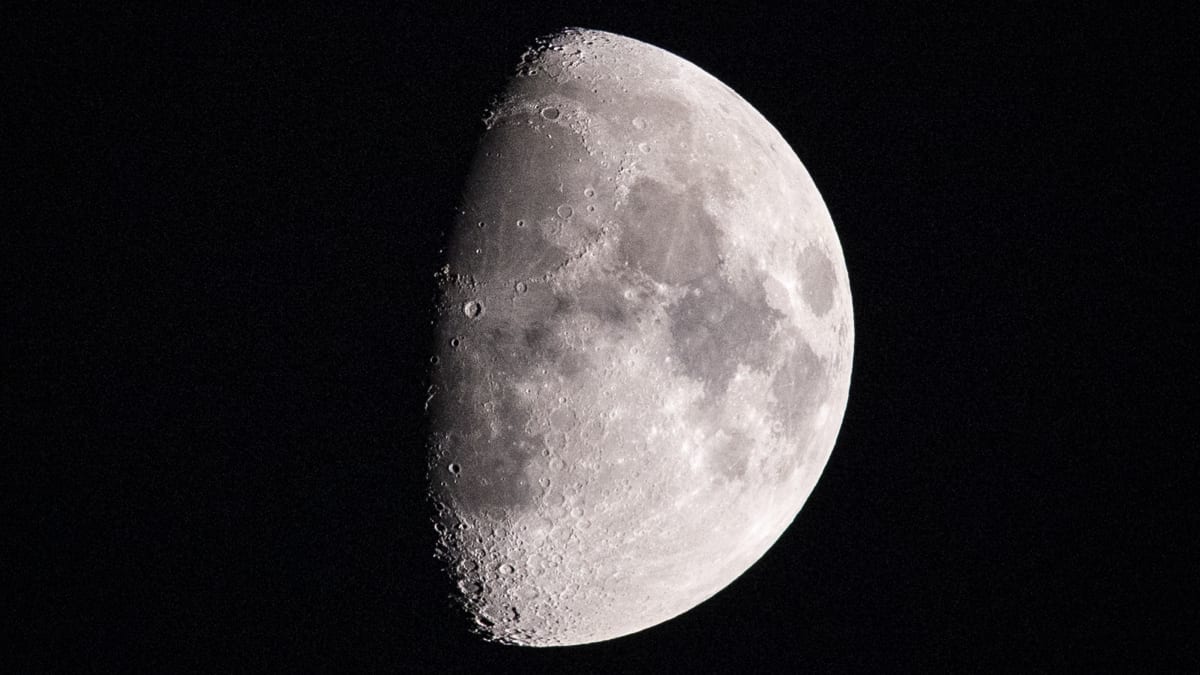
The moon always shows us the same face because it's tidally locked to Earth. However, it wobbles slightly as it orbits, letting us peek at just over half its surface. This gentle wobble, called libration, determines how much of the south polar region we can glimpse.
The extreme southern latitude means you won't get a clear view of the exact landing sites. But armed with a telescope of 6 inches or more and a little patience during the full moon phase, you can spot the region.
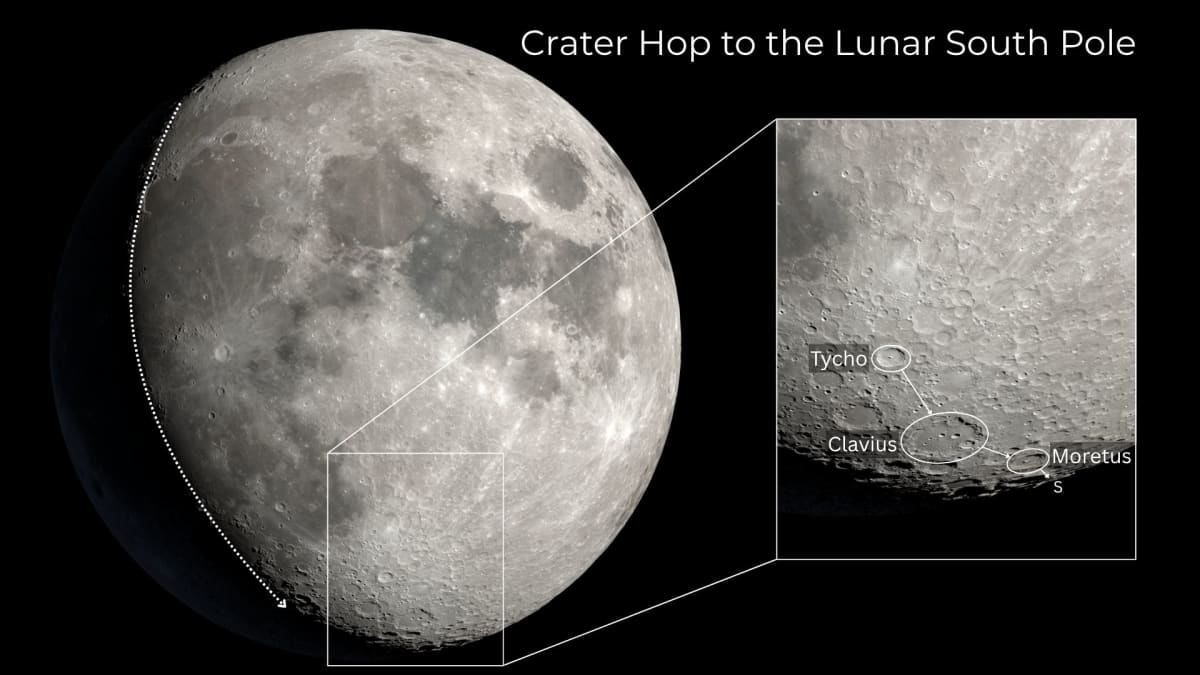
Start by finding Tycho Crater, a bright 53-mile-wide impact site with a towering central peak and dramatic rays of debris spreading outward. Next, trace an imaginary line south to Clavius, one of the moon's largest and oldest craters at 143 miles across. Look for its distinctive arc of smaller craters nested inside.
Just to the lower right of Clavius sits Moretus Crater, your gateway to the south polar region where astronauts will soon make history.
Why This Inspires
This isn't just about planting flags or repeating past achievements. The Artemis program represents humanity's commitment to sustainable space exploration, targeting resources that could support long-term human presence beyond Earth. By choosing the challenging south pole over easier equatorial sites, NASA is betting on science and preparation over spectacle. The water ice potentially hiding in those ancient craters could provide drinking water, breathable oxygen, and even rocket fuel for future missions to Mars. What began with footprints in 1969 is evolving into something permanent.
In 2028, when Artemis 4 touches down in that barely visible region near the lunar south pole, anyone with a telescope will be able to point to that shadowy frontier and know humanity is building its next home.
More Images

Based on reporting by Space.com
This story was written by BrightWire based on verified news reports.
Spread the positivity!
Share this good news with someone who needs it