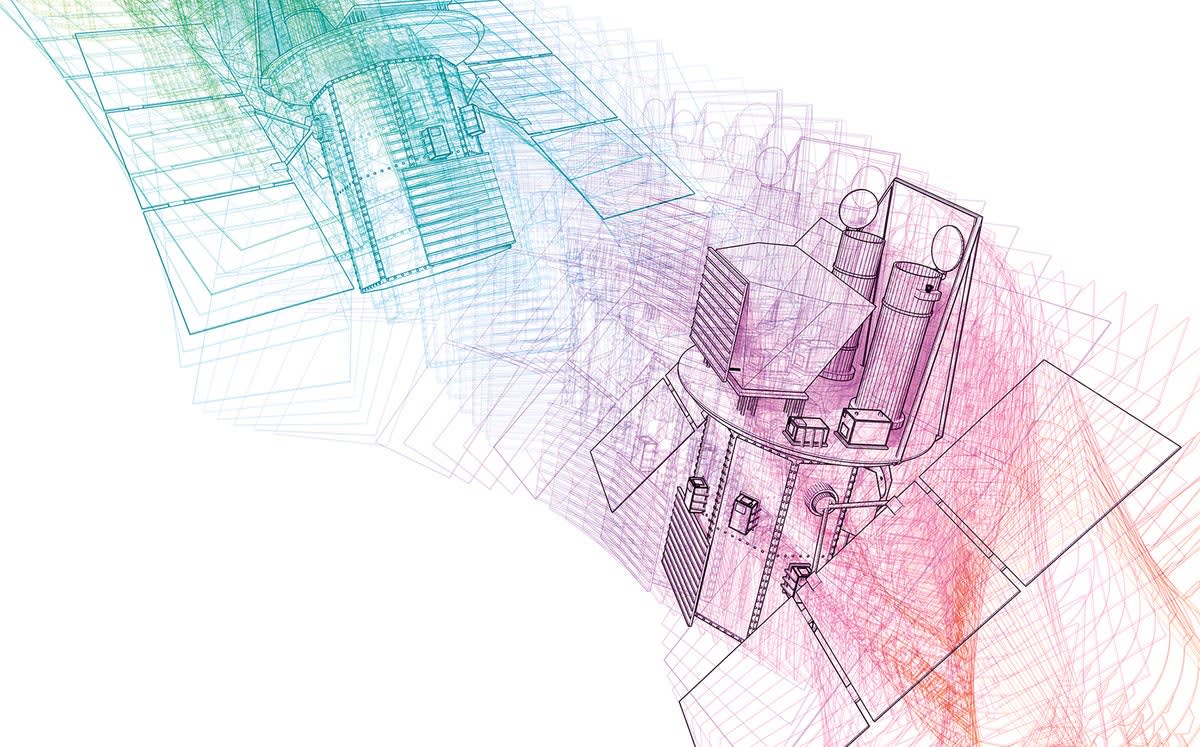
NASA Robot Mission Could Save 21-Year-Old Space Telescope
A dying space telescope that's surveyed the universe for over two decades is getting a robotic rescue mission this summer. If successful, the daring $30 million operation could extend Swift's life by 10 years and open new possibilities for saving science equipment in space.
NASA's Swift Observatory has spent 21 years watching the sky for gamma-ray bursts, the most powerful explosions in the universe. Now it's racing against time as Earth's atmosphere slowly drags it toward a fiery end.
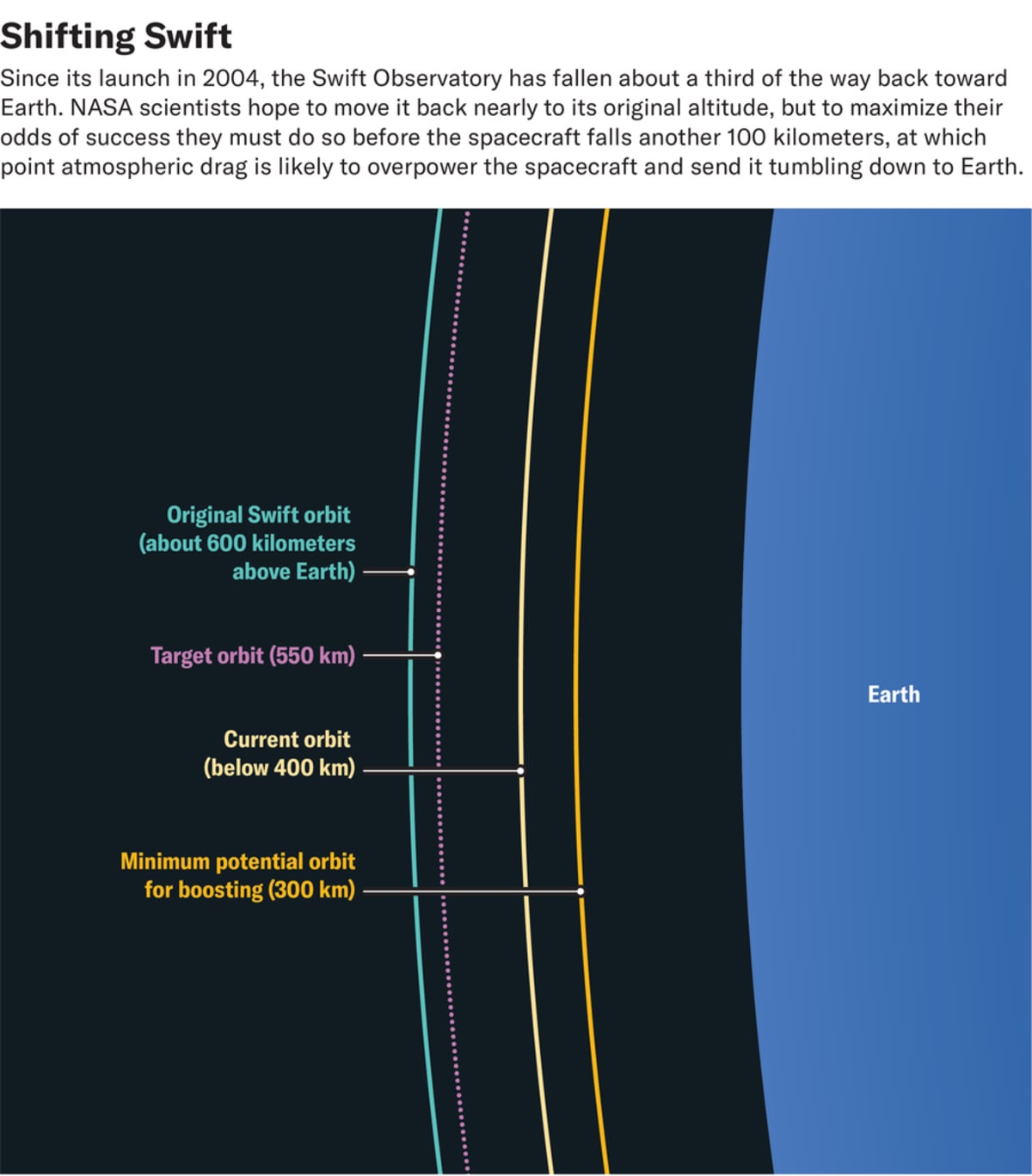
The telescope is losing altitude every day because tiny atmospheric particles chip away at its speed. Scientists expected Swift to survive until the 2030s, but the sun has been more active than predicted, thickening the atmosphere and accelerating the telescope's fall.
Without help, Swift will burn up later this year. But NASA has a bold plan to save it.
In June, a three-armed robot spacecraft will launch to grab Swift and push it back to safety. The $30 million mission from Katalyst Space Technologies has never been tried before on a science spacecraft. The challenge is especially tough because Swift was built over 20 years ago and was never designed to be captured by a robot.
The rescue matters because Swift does something no other telescope can do. When other observatories spot something interesting in space, Swift pivots within minutes to take a closer look with its three different telescopes. That quick response time is becoming more valuable as new observatories come online and make more discoveries.
"Swift is really the only facility out there that can provide that very rapid follow-up," says Brad Cenko, an astrophysicist at NASA Goddard Space Flight Center and principal investigator of the mission. With major new telescopes starting work soon, demand for Swift's fast observations will only grow.
The Katalyst robot will spend months slowly tugging Swift up to a safer altitude of 550 kilometers. Once Swift is secure, the rescue spacecraft will dive back down and burn up in the atmosphere, sacrificing itself to save the telescope.
The Ripple Effect
This rescue attempt could change how we think about space missions. For decades, robotic servicing has been a dream that seemed just out of reach. Astronauts on space shuttles once serviced satellites, most famously repairing the Hubble Space Telescope five times, but robotic missions are far cheaper and don't risk human lives.
Some companies have successfully extended commercial satellites, but saving a science mission would be groundbreaking. If Katalyst succeeds, other aging telescopes and spacecraft could get second chances too.
The timeline is incredibly fast for such a complex mission, but the stakes make it worth trying. "If you're successful, the scientific benefit is tremendous," Cenko says. Even if the mission fails, Swift would have burned up anyway.
Space technology has finally caught up to our ambitions, and Swift gets to be the test case that could open new possibilities for keeping valuable science equipment working longer.
More Images

Based on reporting by Scientific American
This story was written by BrightWire based on verified news reports.
Spread the positivity!
Share this good news with someone who needs it