NASA Rolls Out Artemis II Moon Rocket After Record Year
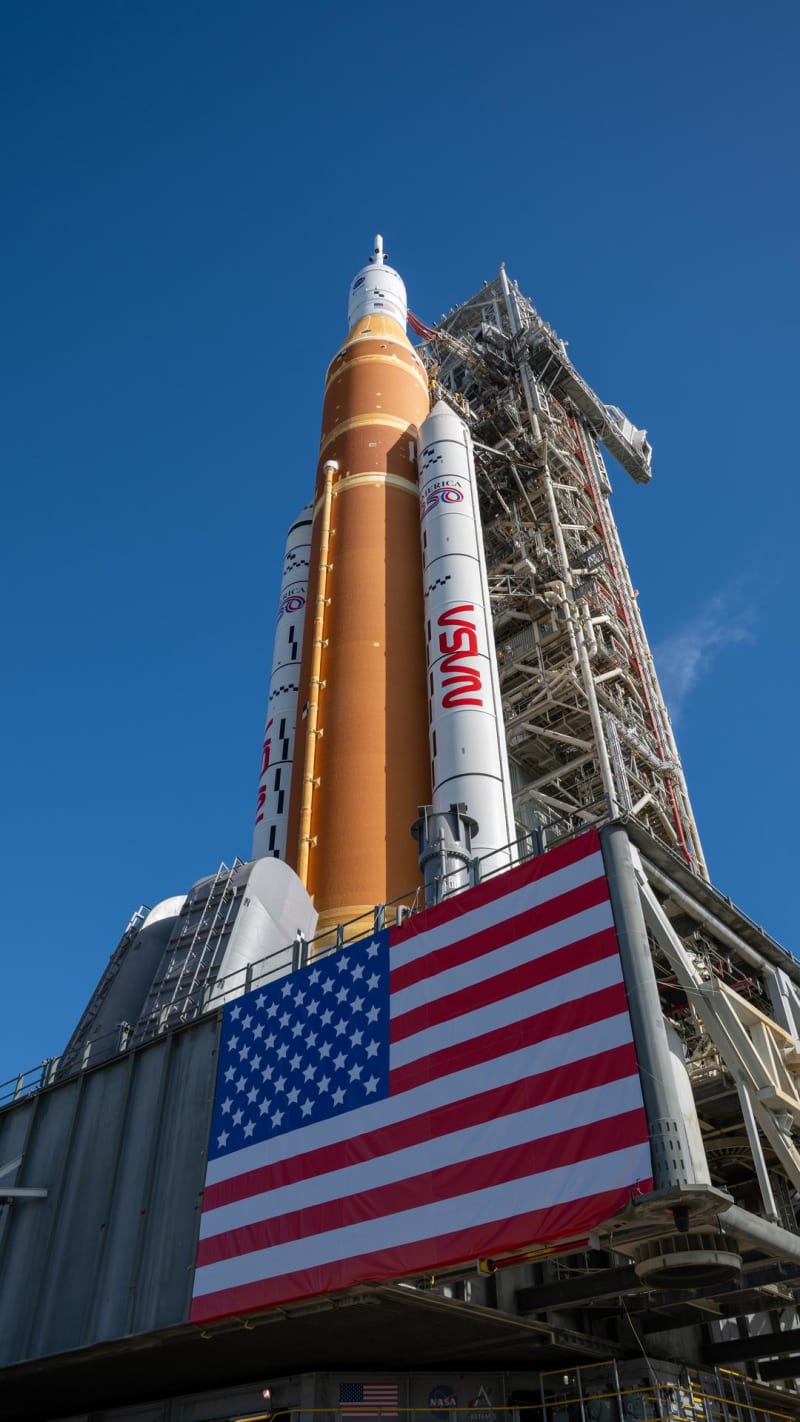
For the first time in over 50 years, humans are preparing to journey around the Moon. NASA rolled out its massive Artemis II rocket this weekend, capping a year that saw 15 science missions launch and American space exploration surge forward.
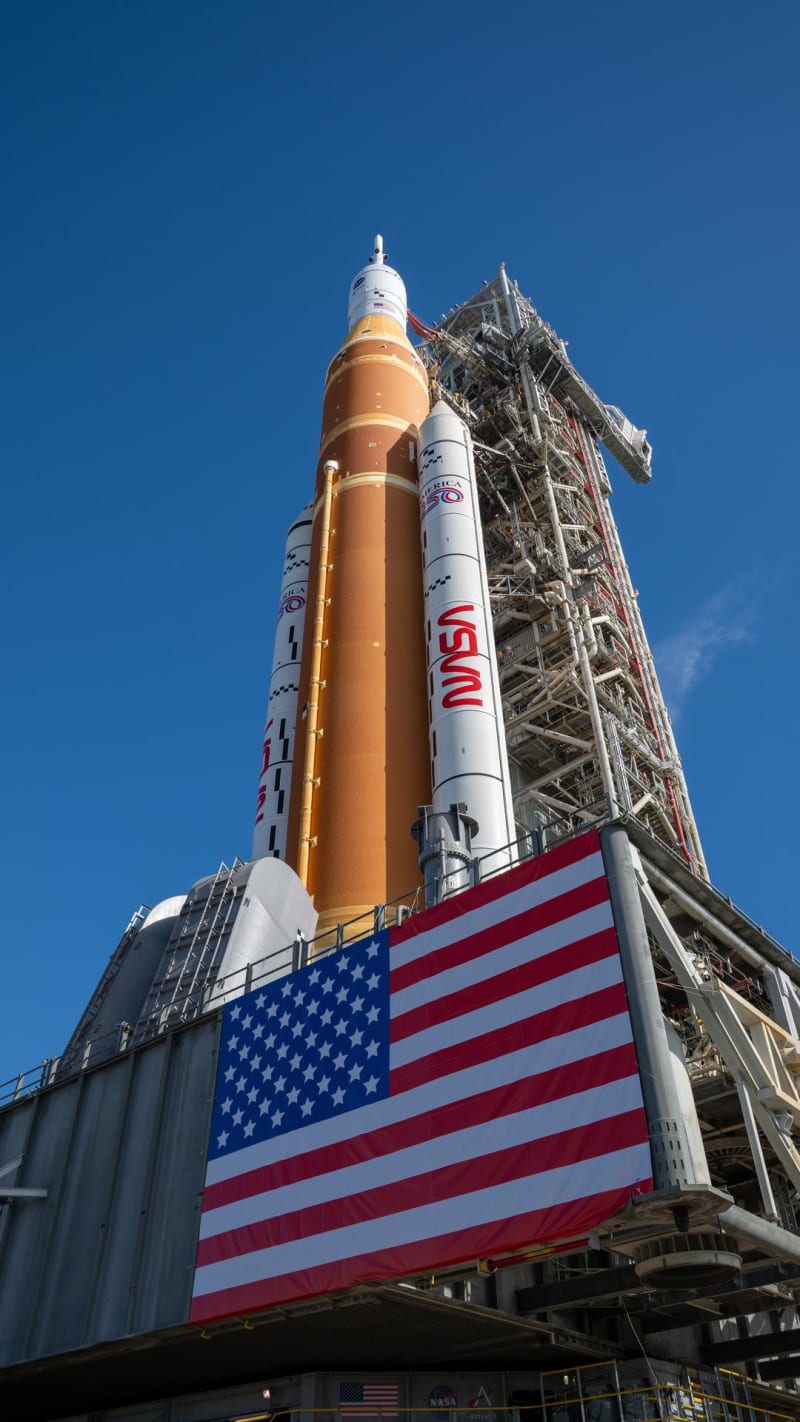
The towering Space Launch System rocket and Orion spacecraft emerged from NASA's Vehicle Assembly Building in Florida on Saturday, a powerful symbol of humanity's return to deep space exploration.
The rollout marks the near-final step before Artemis II launches four astronauts on a journey around the Moon, something no human has done since 1972. The mission will test all systems needed for astronauts to eventually land on the lunar surface and establish a permanent base by 2028.
The past year delivered remarkable momentum for American space programs. NASA completed two crewed missions, launched 15 science expeditions, and successfully tested new experimental aircraft. The agency now operates with renewed focus on lunar exploration, planetary defense, and developing technologies for future Mars missions.
International collaboration has grown stronger too. The Artemis Accords, which establish peaceful principles for space exploration, now count 60 signatory nations. This global partnership reflects shared excitement about humanity's next giant leap.
Behind the statistics lives a workforce energized by clear goals and adequate resources. Engineers, scientists, and mission specialists are moving faster on projects that once languished. The agency secured significant investment through recent legislation, allowing teams to accelerate timelines without cutting corners on safety.
The Ripple Effect spreads far beyond launch pads. Nuclear propulsion research promises to revolutionize deep space travel, cutting journey times and opening distant worlds to exploration. The upcoming Nancy Grace Roman Space Telescope will peer deeper into the cosmos than ever before, potentially answering fundamental questions about dark matter and distant planets. Earth science missions launched this year now monitor climate patterns, natural disasters, and environmental changes with unprecedented precision, providing data that helps communities prepare and adapt.
NASA Administrator Jared Isaacman describes the current moment as the clearest executive direction for the agency since President Kennedy challenged America to reach the Moon in the 1960s. That original moonshot inspired a generation of scientists, engineers, and dreamers who transformed technology and pushed human boundaries.
This new lunar campaign aims to go further by establishing permanent human presence beyond Earth. Future astronauts will live and work on the Moon, testing technologies and gathering knowledge essential for the long journey to Mars.
The next chapter of space exploration begins with Artemis II circling the Moon, proving that the dreams of the past can become the achievements of tomorrow.
More Images

Based on reporting by NASA
This story was written by BrightWire based on verified news reports.
Spread the positivity!
Share this good news with someone who needs it