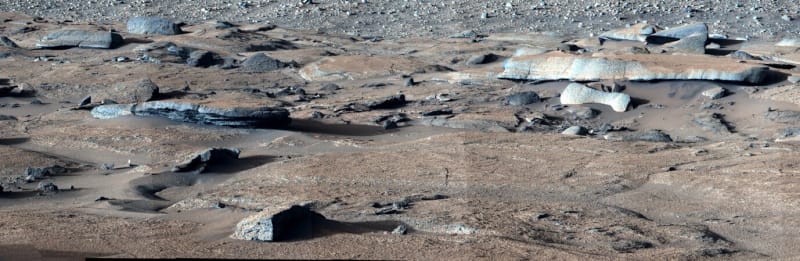
NASA Rover Finds Ancient Beach on Mars
NASA's Perseverance rover discovered wave-formed beaches and an ancient shoreline in Mars's Jezero crater, revealing the red planet stayed watery and potentially habitable far longer than scientists thought. The find opens exciting new possibilities in the search for past life on Mars.
📺 Watch the full story above
Scientists just confirmed something remarkable: Mars once had beaches with waves lapping at sandy shores, much like Earth today.
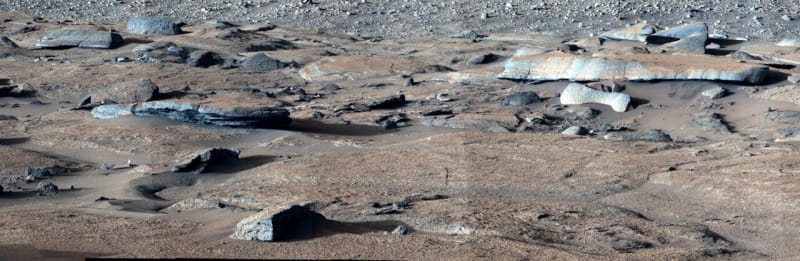
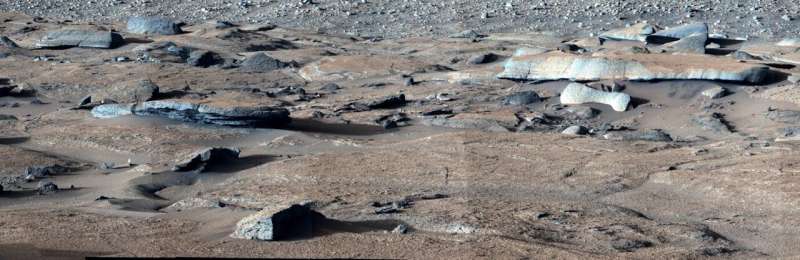
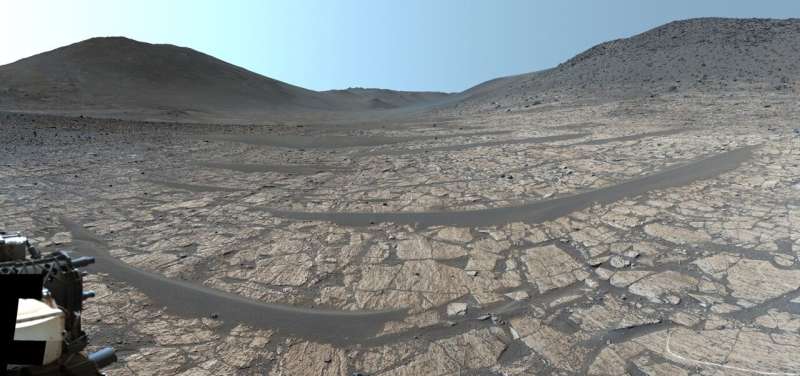
NASA's Perseverance rover spent nearly a year exploring a mysterious rock formation in Jezero crater and found definitive evidence of an ancient shoreline. The discovery, led by researchers at Imperial College London, reveals that Mars's massive lake existed and remained hospitable to potential life much further back in time than previously believed.
"We are looking at what was once a beach," said lead researcher Alex Jones, describing rounded sand grains and layered rocks that look exactly like wave-formed deposits on Earth. The ancient lake filled the crater about 3.5 billion years ago, and these shoreline rocks sat beneath an ancient river delta.
The team made another exciting discovery buried in the rocks. Subsurface water circulated through the bedrock for vast stretches of time, transforming minerals and creating conditions similar to Earth's hydrothermal environments. On our planet, these underground water systems teem with microbial life.
The rocks themselves tell a fascinating double story. Much of the formation started as igneous rock from ancient Martian lava, but later became heavily altered by carbon dioxide-rich water moving through the ground. This transformation created carbonate minerals, which are especially good at preserving organic molecules and potential biosignatures.
Why This Inspires
This discovery fundamentally extends the window when Mars could have supported life. Scientists previously knew about the ancient lake, but finding an actual beach with evidence of long-lasting subsurface water systems means habitable conditions persisted even longer than thought.
The carbonate-rich shoreline environment mirrors some of Earth's most life-friendly zones. Shorelines provide diverse habitats where water, minerals, and energy sources meet. The minerals forming there naturally seal in and preserve information about ancient environments, making them prime targets for finding evidence of past Martian life.
Perseverance continues exploring Jezero crater, and each rock it examines brings us closer to answering one of humanity's biggest questions: Did life ever exist beyond Earth? These ancient beach rocks suggest Mars gave life every opportunity to take hold.
The red planet's ancient history looks increasingly blue and welcoming.
More Images

Based on reporting by Google News - Science
This story was written by BrightWire based on verified news reports.
Spread the positivity!
Share this good news with someone who needs it