NASA Rover Finds Complex Organic Molecules on Ancient Mars
NASA's Curiosity rover discovered the largest organic molecules ever found on Mars in rocks that formed 3.7 billion years ago. The finding could point to ancient life or reveal Mars had more complex chemistry than scientists thought.
Scientists just confirmed that Mars once held the building blocks of life, and the discovery sat hidden in plain sight for over a decade.
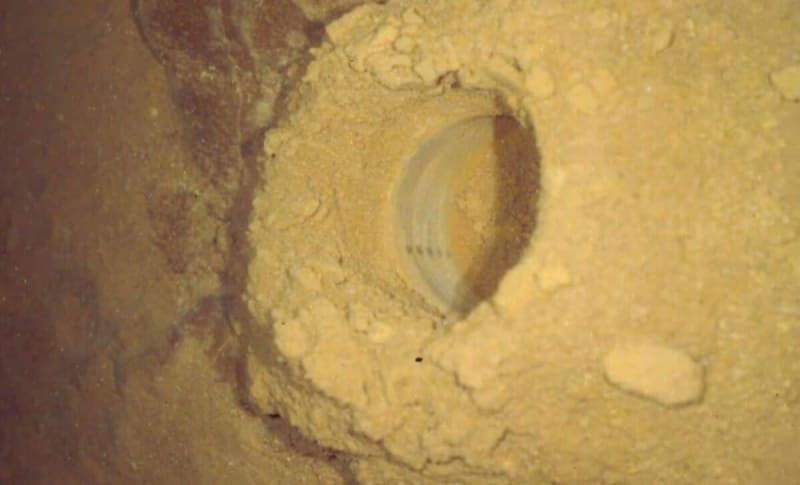
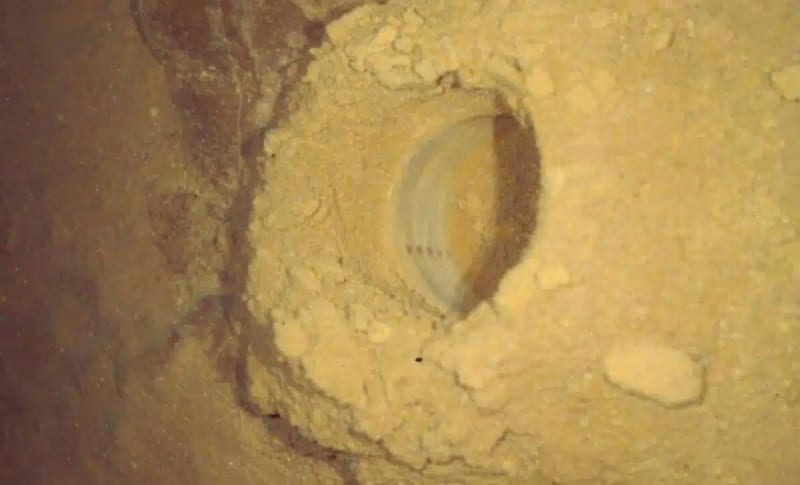
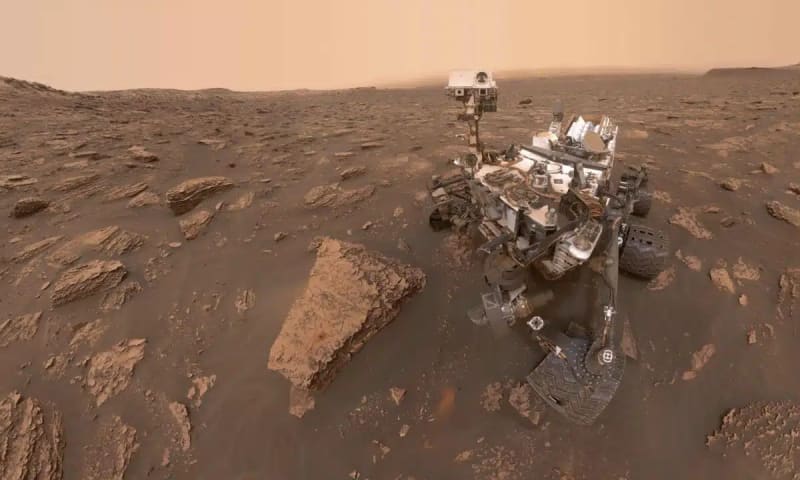
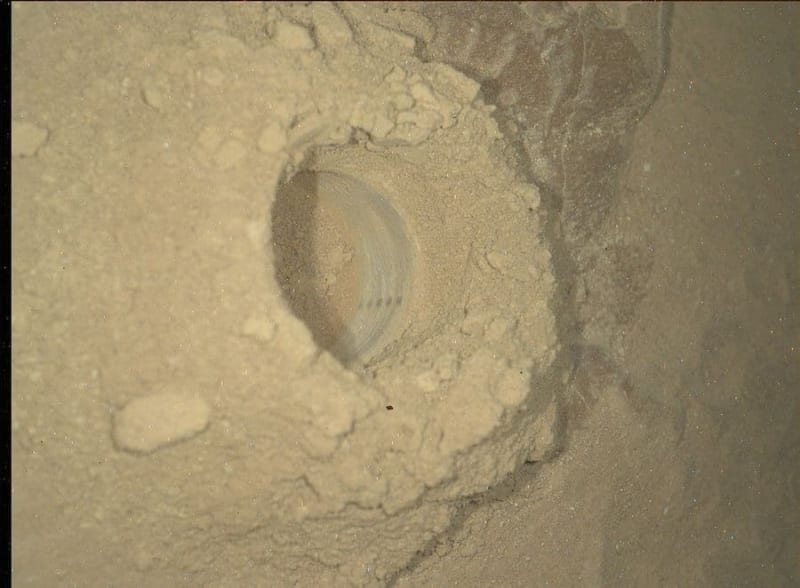
NASA's Curiosity rover drilled into Martian rock back in 2014, but researchers only recently found what was really there. Using improved analysis techniques on the old samples, they detected three complex organic molecules with long carbon chains, the largest ever found on the red planet.
The molecules came from mudstone that formed 3.7 billion years ago at the bottom of an ancient lake. Scientists from France's national research center led the analysis and published their findings in the Proceedings of the National Academy of Sciences.
What makes this exciting is what these molecules might mean. On Earth, similar compounds often come from fatty acids, which are essential to cell membranes and life as we know it. If Mars ever hosted living organisms, these molecules are exactly the kind of chemical fingerprint they would leave behind.
The team found something else intriguing too. The molecules showed a pattern common in Earth biology: a preference for even-numbered carbon chains. Of the three molecules detected, the even-carbon version was most abundant. "There is a bias on Earth life toward even-numbered carbon chains," lead researcher Dr. Caroline Freissinet told The Guardian.
But scientists are staying careful about jumping to conclusions. These same molecules can also form through volcanic or hydrothermal processes that need no biology at all. Three molecules don't prove a pattern, and Mars could simply have experienced more complex chemistry than anyone expected.
What changed between 2014 and now was the method. Researchers reprocessed data from Curiosity's instruments using updated heating protocols that revealed molecular signatures the first analysis missed. The rock sample, nicknamed Cumberland, came from Yellowknife Bay, a site that scientists already knew once held standing water.
The discovery shows how valuable old data can be when viewed with fresh eyes. It also highlights what Curiosity can't do. The rover lacks instruments sensitive enough to determine whether the molecules came from life or chemical processes. That will require bringing Martian samples back to Earth.
Why This Inspires
This breakthrough happened because scientists refused to let old questions stay buried. A rock sample collected more than a decade ago just rewrote what we know about Mars because researchers kept looking deeper.
The work reminds us that discovery doesn't always require new missions or billion-dollar telescopes. Sometimes it just takes persistence and better questions. NASA and European scientists are now planning missions to return Mars samples to Earth, where laboratories can run tests impossible on another planet.
Whether these molecules came from ancient Martian microbes or complex chemistry, both answers expand what we thought possible on other worlds.
More Images
Based on reporting by Google: Mars rover discovery
This story was written by BrightWire based on verified news reports.
Spread the positivity!
Share this good news with someone who needs it