NASA Rover Finds Perfect Mars Spot for New Discoveries
NASA's Curiosity rover has reached its most stable location yet on Mars, setting the stage for breakthrough discoveries about the Red Planet's past. The site could reveal clues about ancient Martian life.
After years of navigating Mars' rugged terrain, NASA's Curiosity rover has found what scientists are calling its "perfect parking spot."
The rover recently arrived at a location named "Laguna del Bayo," where stable bedrock allows its instruments to safely analyze the planet's geological secrets. This achievement marks a pivotal moment in understanding Mars' ancient history.
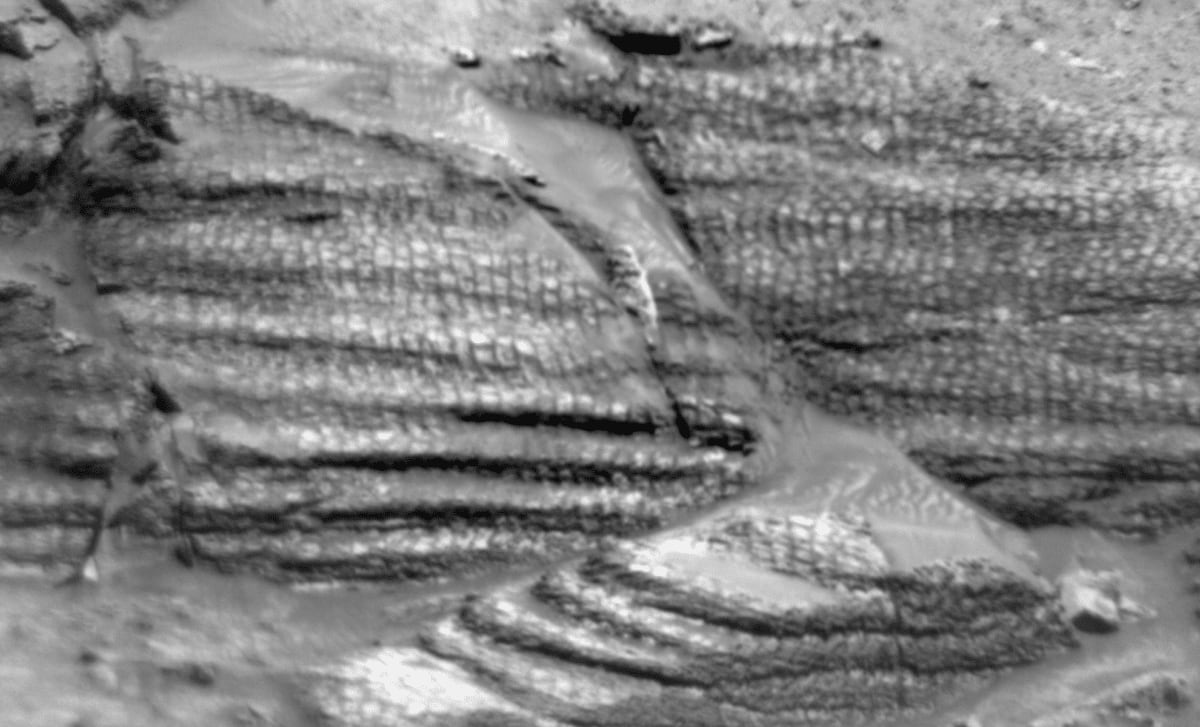
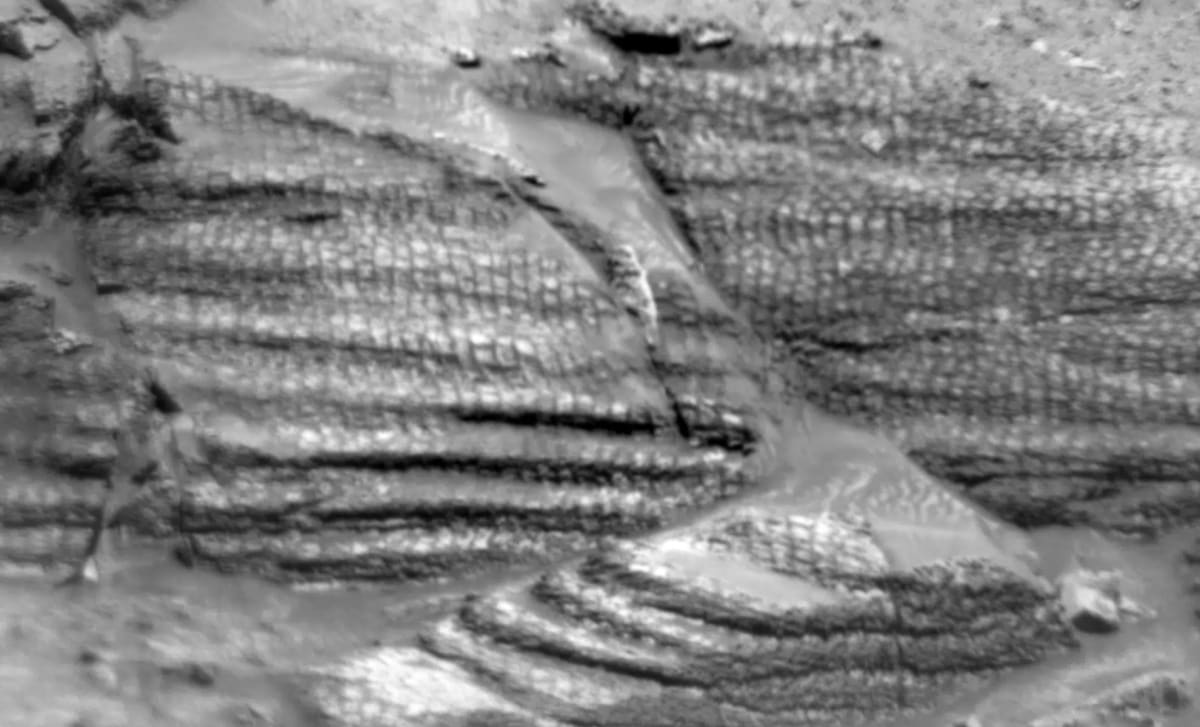
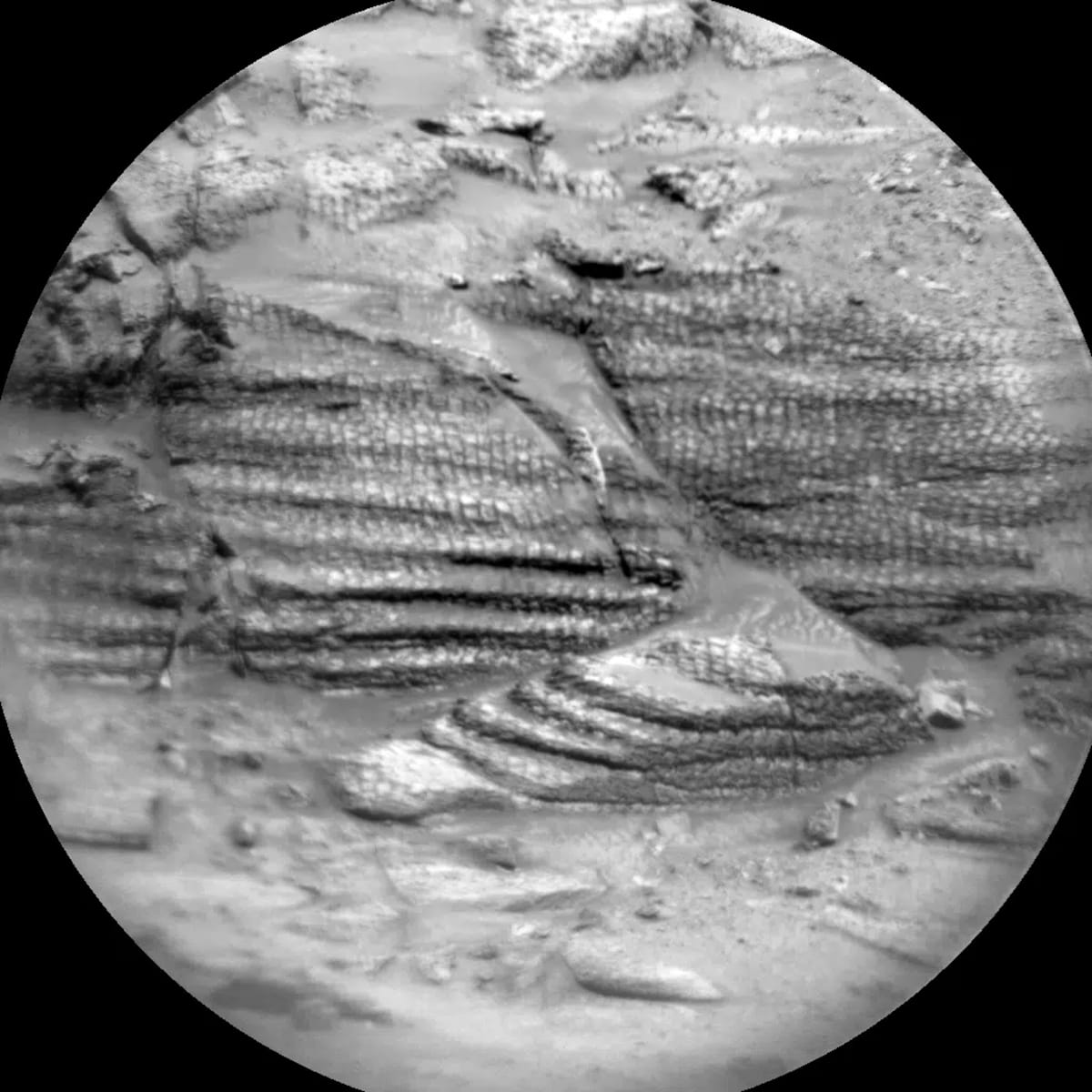
At this new site, Curiosity is studying rock formations called "boxwork" features that could hold vital clues about Mars' past environment. These geological structures might reveal whether conditions once existed that could have supported microbial life.
The rover is using its specialized instruments to analyze a rock target named "Tarija," capturing detailed data about its chemical composition. High-resolution cameras are also documenting the surrounding terrain, including ridge formations and fracture-filled areas that paint a picture of Mars' geological evolution over millions of years.
Beyond rocks, Curiosity is monitoring atmospheric conditions, measuring dust levels that will help scientists prepare for future Mars missions. This environmental data is crucial for planning eventual human exploration of the Red Planet.
The team has planned a 54-meter drive to the next research location, where the rover will continue its autonomous analysis of promising rock samples. Curiosity will also conduct a large dust-devil survey, helping scientists understand Mars' dynamic weather patterns.
Why This Inspires
Every measurement Curiosity takes brings humanity closer to answering one of our most profound questions: Are we alone? The rover's tireless work on a planet 140 million miles away demonstrates what human curiosity and engineering can achieve when we dare to explore the unknown.
This stable parking spot isn't just about convenience. It represents years of careful planning, millions of miles of data transmission, and countless hours of dedication from scientists working to unlock Mars' mysteries.
The geological data gathered here will inform not just our understanding of Mars' past, but also guide future missions that could one day bring humans to walk on Martian soil. Each rock analysis and atmospheric reading builds the foundation for that extraordinary future.
Curiosity's findings are turning Mars from a distant red dot into a world with a story to tell, one patient measurement at a time.
More Images

Based on reporting by Google News - Science
This story was written by BrightWire based on verified news reports.
Spread the positivity!
Share this good news with someone who needs it