NASA Satellite Maps Ocean Floor, Spots Earth's Hidden Hills
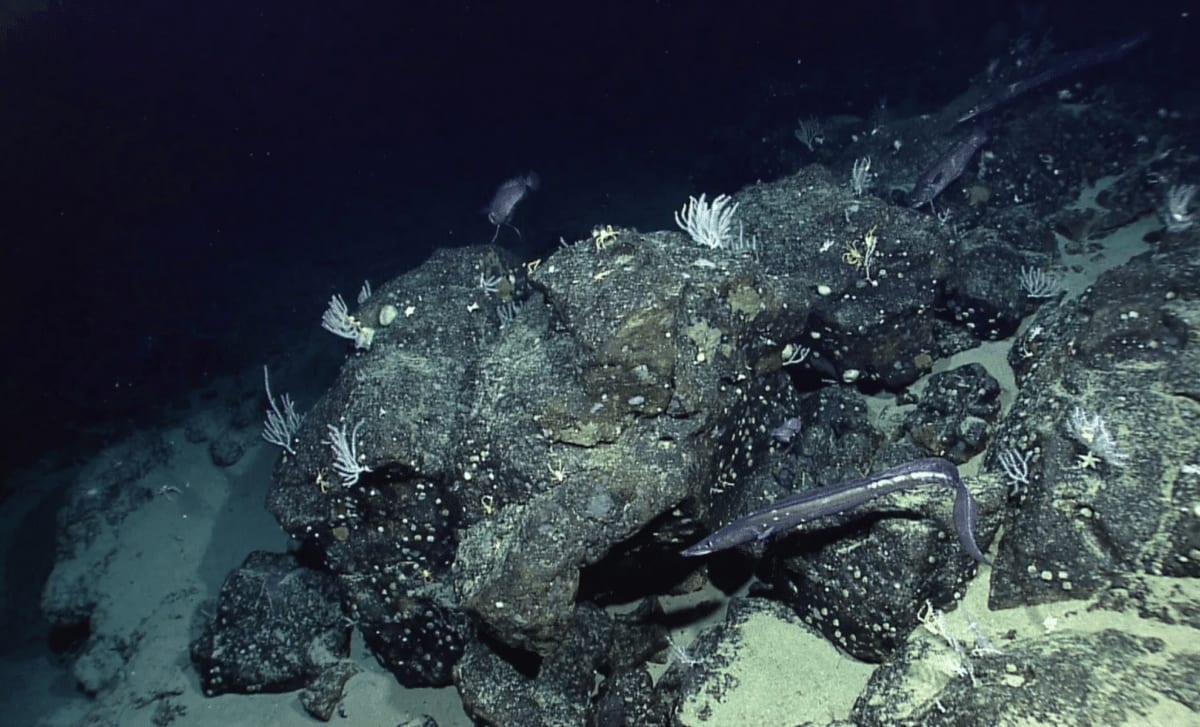
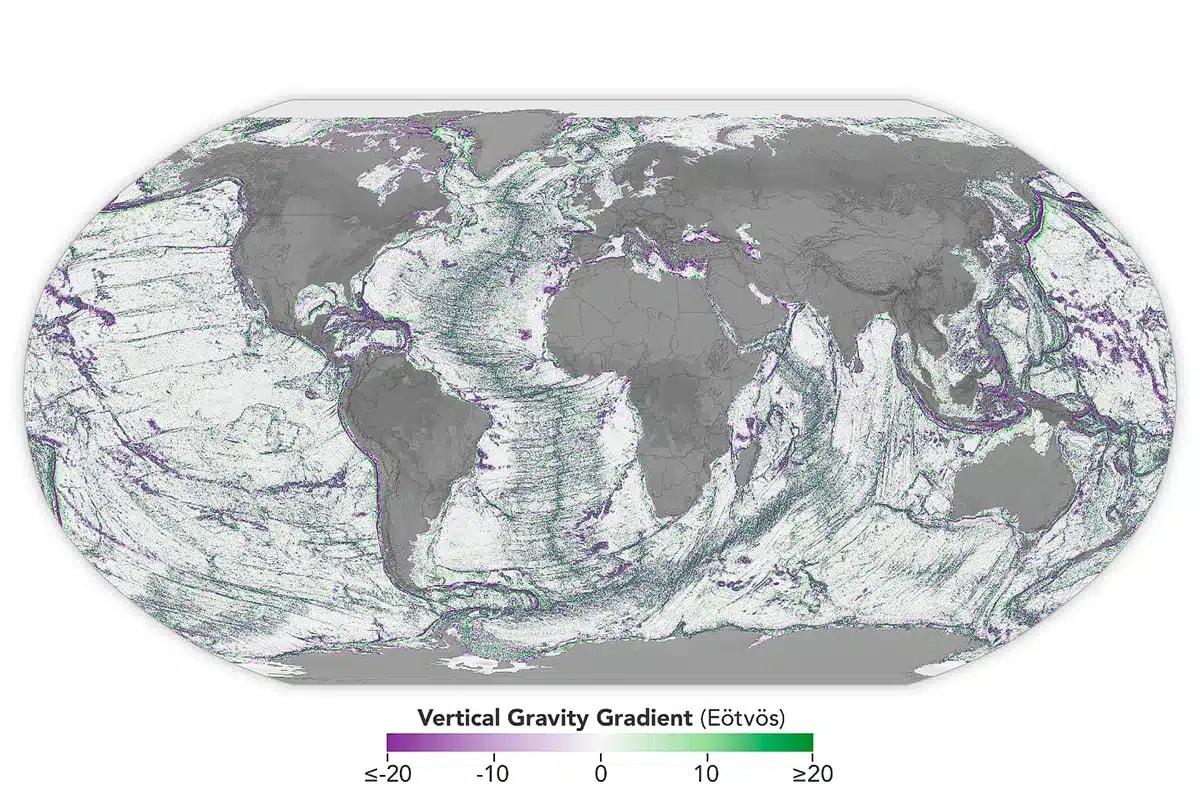
A NASA satellite just revealed the clearest picture ever of Earth's ocean floor from space, including billions of tiny underwater hills that cover most of our planet. The breakthrough could reshape everything from tsunami warnings to understanding how our planet formed.
Scientists just got their best look yet at the 70% of Earth that's been hiding underwater, and what they found surprised even the experts.
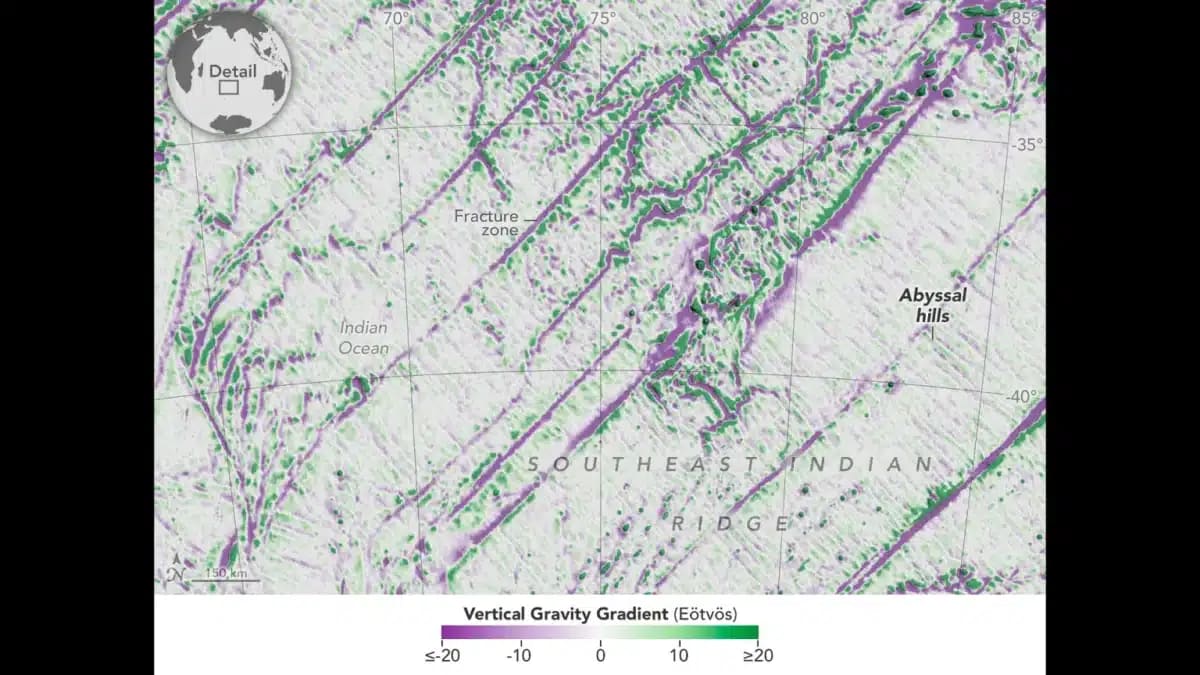
NASA's SWOT satellite has created the most detailed map of the ocean floor ever made from space, revealing underwater mountains, ridges, and billions of small hills that previous technology couldn't detect. The satellite measures tiny changes in the height of the ocean surface caused by gravity from features on the seafloor below, turning subtle ripples into a detailed map of what lies beneath.
The real shock came when scientists realized they could see abyssal hills, small underwater formations that blanket most of the ocean floor. "Abyssal hills are the most abundant landform on Earth, covering about 70% of the ocean floor," said Yao Yu, an oceanographer at Scripps Institution of Oceanography who led the study. "These hills are only a few kilometers wide, which makes them hard to observe from space. We were surprised that SWOT could see them so well."
Traditional ship-based sonar mapping is slow and expensive, which is why we've mapped less of our own ocean floor than the surface of Mars. SWOT changes that equation by scanning huge areas quickly from orbit, filling in gaps that would take decades to cover by ship.
The new map isn't just pretty to look at. It helps scientists understand how tectonic plates move, improves models that predict ocean currents and climate patterns, and could make tsunami warning systems more accurate. The data also helps identify mineral deposits, optimize shipping routes, and improve underwater navigation.
"Seafloor mapping is key in both established and emerging economic opportunities, including rare-mineral seabed mining, optimizing shipping routes, hazard detection, and seabed warfare operations," said Nadya Vinogradova Shiffer, who heads physical oceanography programs at NASA Headquarters.
The breakthrough builds on decades of work by scientists like David Sandwell, a geophysicist at Scripps who has been piecing together seafloor maps using satellite data since the 1990s. "The SWOT satellite was a huge jump in our ability to map the seafloor," Sandwell said. His team published the new map in the journal Science in December 2024.
The Ripple Effect
The SWOT mission represents more than just better maps. It's shifting ocean exploration from scattered snapshots to continuous global coverage, giving scientists a living picture of Earth's least explored frontier. Nations and industries that depend on ocean data now have access to information that was previously impossible to obtain, democratizing knowledge that once required expensive ship expeditions.
The goal is to complete a full high-resolution map of the global seafloor by 2030. While ships will still play a role in filling fine details, SWOT is helping humanity race toward that finish line faster than anyone thought possible.
Earth's final frontier is finally coming into focus, one satellite pass at a time.
More Images

Based on reporting by Google: NASA discovery
This story was written by BrightWire based on verified news reports.
Spread the positivity!
Share this good news with someone who needs it