NASA Scientist's Journey From Sputnik to Space Telescope
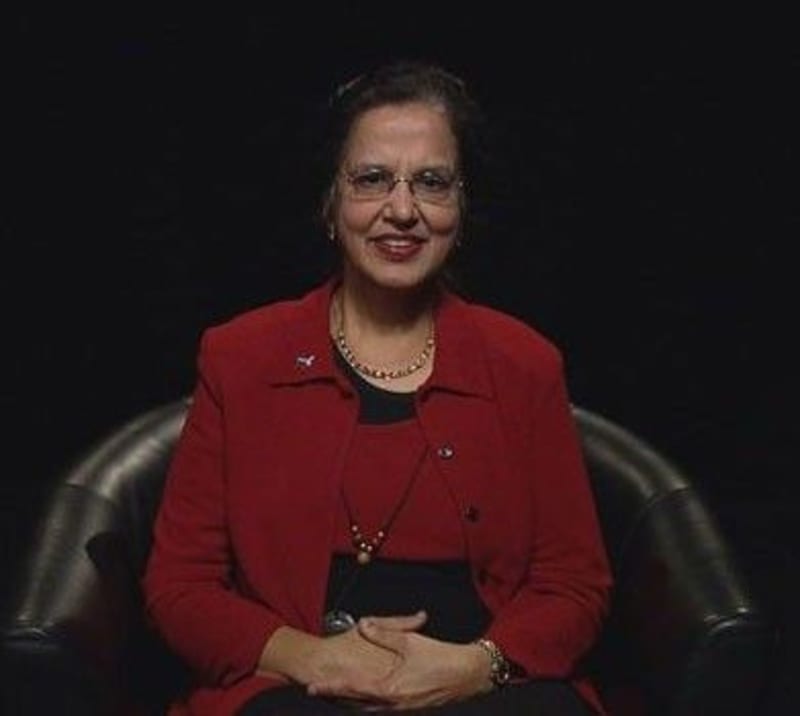
A seven-year-old girl in India watched Sputnik cross the sky in 1957 and dreamed of becoming a space scientist. Dr. Hashima Hasan made that dream real, becoming the first female program scientist for the James Webb Space Telescope and fixing the Hubble.
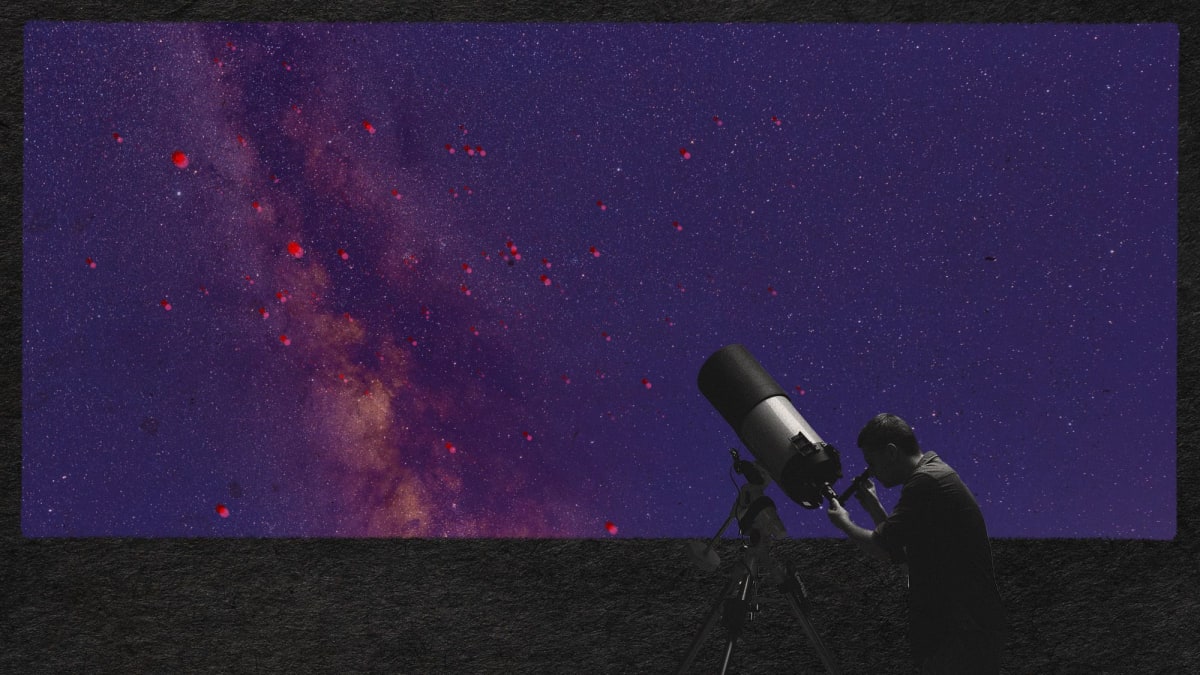
When Dr. Hashima Hasan's grandmother woke the entire household before dawn in October 1957, she gave a curious seven-year-old girl more than a view of Sputnik. She sparked a dream that would carry her from the backyard of her Lucknow home to the halls of NASA.
The path wasn't smooth. Born in newly independent India, Hasan faced countless obstacles as a young woman pursuing physics, but her mother and teachers believed in her potential.
She earned her doctorate in theoretical nuclear physics from Oxford in 1976, then spent years crisscrossing three continents while building her career. By 1985, she arrived in the United States with a husband, two infant sons, and a bold willingness to pivot once again.
When the Space Telescope Science Institute offered her a position simulating optics for the Hubble Space Telescope, she accepted even though it meant learning entirely new skills. She wrote software that would soon become crucial in ways nobody expected.
After Hubble launched with a flawed mirror, Hasan's work became essential. The mirror had been shaved incorrectly by the width of a human hair, causing blurry images that threatened the entire mission.
Hasan was appointed as the telescope's optical scientist, responsible for keeping Hubble in focus while engineers designed a fix. She monitored the telescope constantly, learning its quirks and compensating for minute movements in the mirror.
When the repair mission arrived, she had three attempts to focus the telescope before deploying the corrective optics. She nailed it on the first try, and COSTAR was installed ahead of schedule.
Why This Inspires
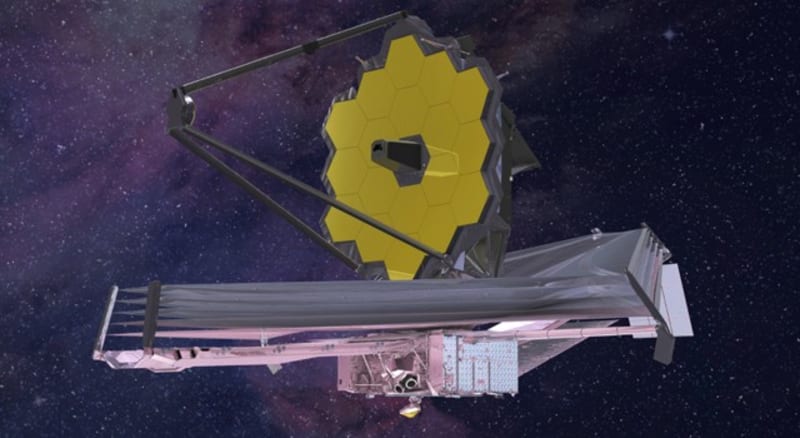
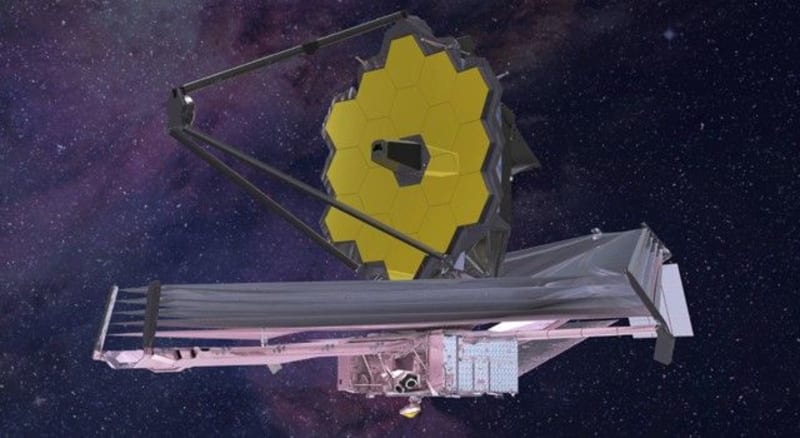
Hasan's story shows how determination can overcome seemingly impossible barriers. She didn't just break into a male-dominated field during an era of limited opportunities for women, she became the first female program scientist for multiple NASA missions including the James Webb Space Telescope.
During her 23 years at NASA, she led international negotiations, managed complex flight missions, and helped turn Hubble from a troubled launch into one of humanity's greatest scientific achievements. She proved that the little girl watching Sputnik had been right to dream big.
The sky truly does belong to all of us, regardless of where we start or what obstacles stand in our way.
More Images
Based on reporting by NASA
This story was written by BrightWire based on verified news reports.
Spread the positivity!
Share this good news with someone who needs it