NASA Sets March 6 to Send Humans Around the Moon
For the first time in over 50 years, four astronauts will journey around the Moon's far side in March. NASA just completed the final countdown rehearsal, bringing humanity's return to deep space within reach.
After a successful dress rehearsal this week, NASA is ready to send humans farther into space than anyone has traveled in half a century.
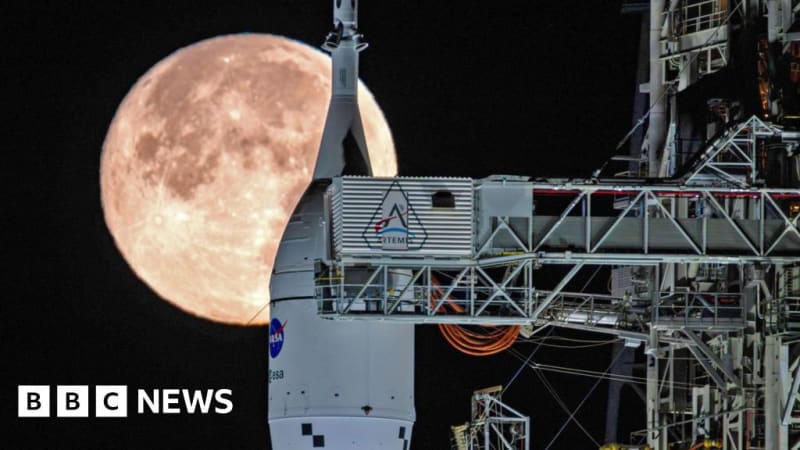
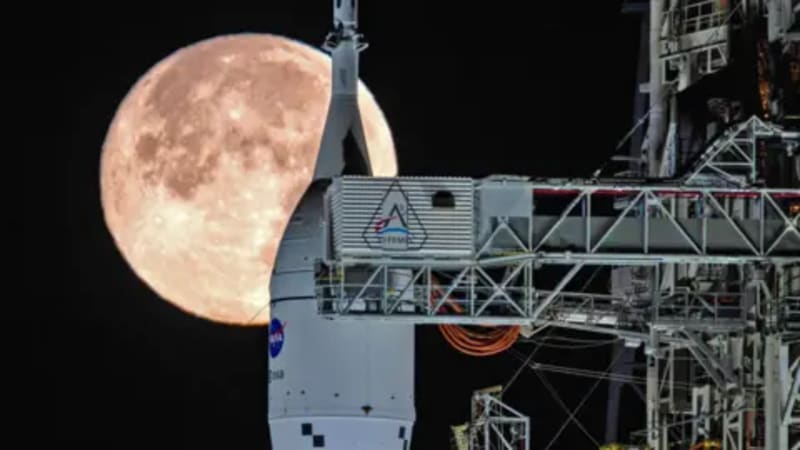
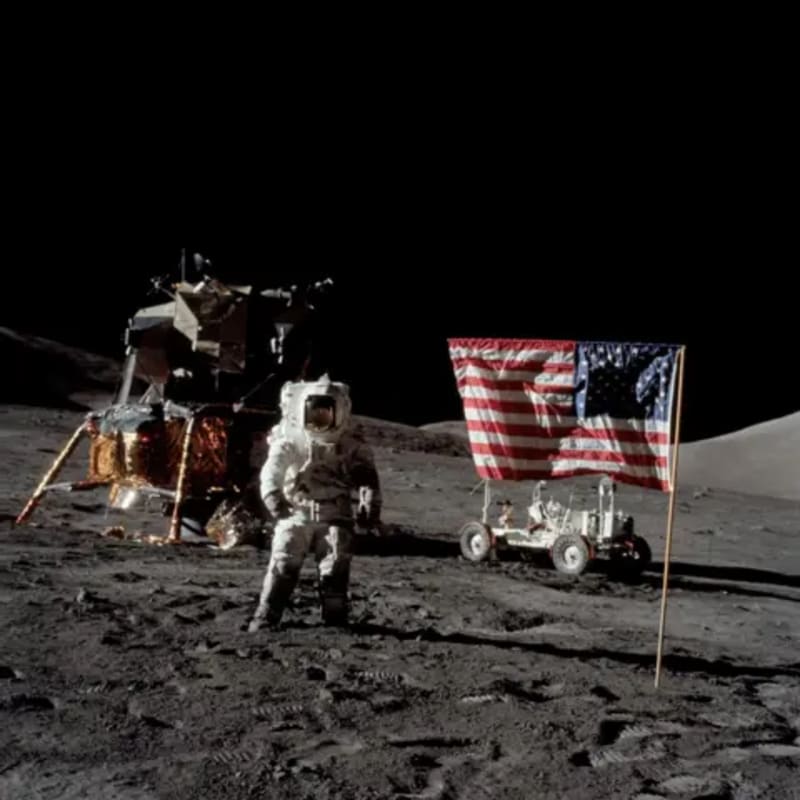
The Artemis II mission launches as early as March 6, carrying four astronauts on a 10-day voyage around the Moon and back. It's the first crewed lunar mission since Apollo 17 touched down in 1972, marking humanity's bold return to deep space exploration.
Three Americans (Reid Wiseman, Victor Glover, and Christina Koch) and one Canadian (Jeremy Hansen) will make the historic journey. They'll ride atop NASA's massive Space Launch System rocket, standing 98 meters tall, inside the Orion capsule about the size of a minibus.
The mission plan is straightforward but thrilling. After one day orbiting Earth, the crew will spend four days traveling to the Moon, then fly around its far side (the part we never see from Earth) at a distance of up to 9,500 kilometers above the surface. They'll spend several hours photographing and studying the lunar landscape before beginning their four-day return trip, splashing down in the Pacific Ocean.
This week's "wet dress rehearsal" at Kennedy Space Center proved the rocket is ready. The team filled the massive vehicle with fuel and ran through the entire countdown sequence without issues, after fixing hydrogen leaks and seal problems that cut short an earlier test in February.
"Every night I look up at the Moon and I see it and I get real excited because I can feel she's calling us and we're ready," said NASA's Lori Glaze at Friday's news conference. The crew entered quarantine the same day, their excitement building as launch day approaches.
The Ripple Effect
Artemis II opens the door for Artemis III, which will land astronauts on the Moon's south pole by 2028. Both SpaceX and Blue Origin are racing to build the landers that will carry humans back to the lunar surface, competing to help America return before China's planned 2030 landing.
The south pole region holds special promise for future lunar bases, with both nations eyeing the best locations. This new space race isn't just about national pride. It's about establishing humanity's first permanent presence beyond Earth, turning science fiction into reality within this decade.
The astronauts who flew to the Moon in the 1970s are now in their 80s and 90s. A new generation is about to pick up where they left off, proving that humanity's greatest adventures are still ahead of us.
More Images
Based on reporting by BBC Science
This story was written by BrightWire based on verified news reports.
Spread the positivity!
Share this good news with someone who needs it