NASA Spacecraft Maps Solar System's True Edge from Earth
A new NASA spacecraft has reached its perfect viewing position 1.5 million kilometers from Earth to create the first complete map of where our solar system ends. Early results from all ten instruments are already exceeding expectations.
For the first time in history, scientists can watch the entire boundary of our solar system at once.
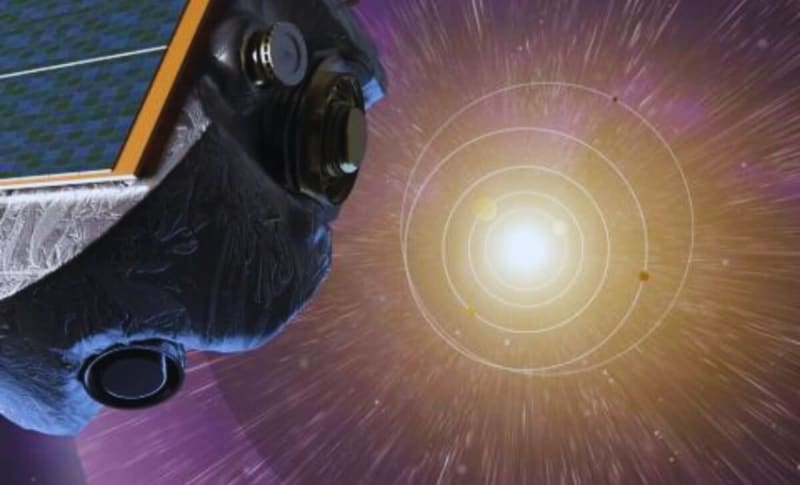
NASA's IMAP spacecraft recently arrived at its observation point between Earth and the Sun, ready to answer a question that's puzzled researchers for decades: what does the edge of our solar system actually look like? The Interstellar Mapping and Acceleration Probe launched in September 2025 and has now settled into its permanent position 1.5 million kilometers from Earth.
Unlike the aging Voyager probes that crossed into interstellar space decades ago, IMAP won't travel to the edge itself. Instead, it's parked at a gravitationally stable spot called Lagrange Point 1, where it can observe the entire sky without moving.
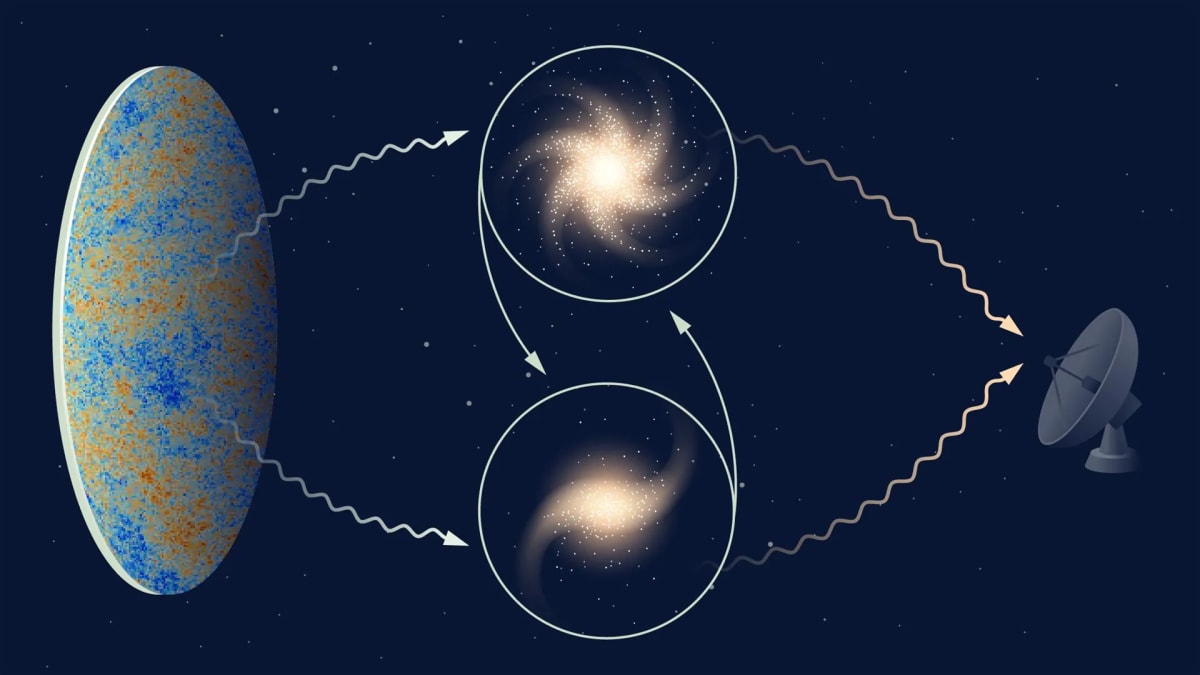
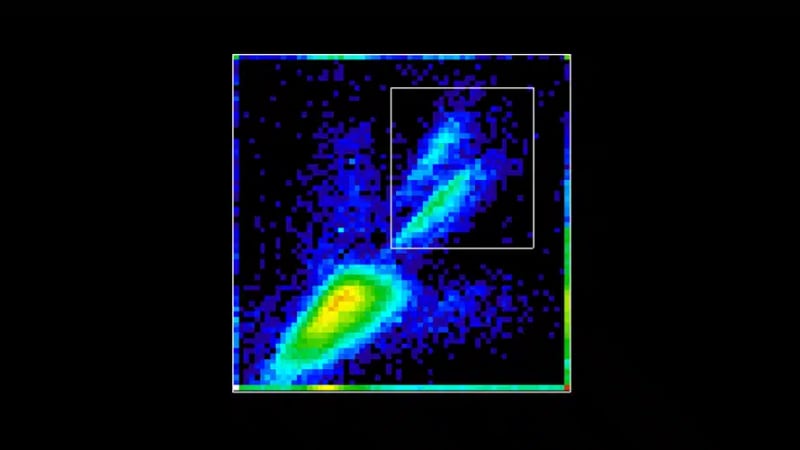
From this vantage point, IMAP detects invisible particles called energetic neutral atoms that form when solar wind crashes into matter from outside our solar system. These particles carry information about their origins, allowing scientists to trace conditions at the heliopause, the boundary where our sun's influence ends and true interstellar space begins.
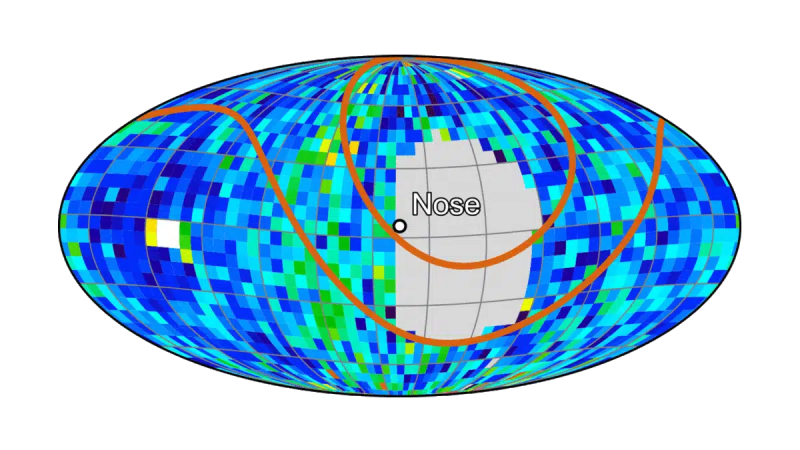
The spacecraft's 360-degree field of view means it can create a complete picture over time, something Voyager's narrow flyby measurements could never achieve. The boundary itself isn't fixed but expands and contracts with solar activity like a breathing balloon, making continuous observation crucial.
Why This Inspires
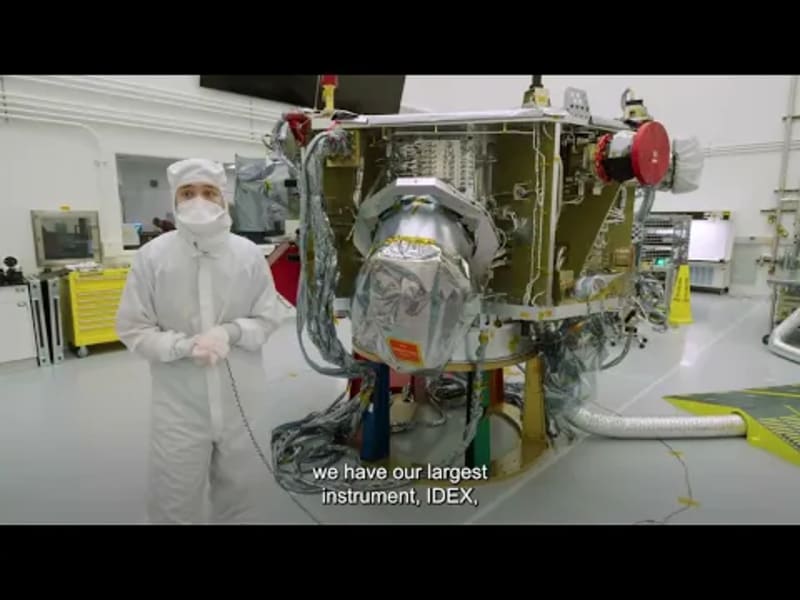
Even before the official mission start date in February, IMAP's team is celebrating remarkable early results. All ten scientific instruments passed their tests with flying colors, detecting clear signals across a huge range of particle energies.
"It's just astounding that within the first couple weeks of observations, we see such clear and consistent data," said David McComas, principal investigator at Princeton University. NASA called the preliminary results "a 10 out of 10, A-plus start to the mission."
The spacecraft has already generated its first all-sky maps showing the distribution of particles across the heliosphere, the vast bubble surrounding our sun. These early images hint at the detailed portrait IMAP will paint over its mission lifetime.
Only two human-made objects have ever left our solar system's protective bubble, and they could only measure what they encountered along their specific paths. IMAP will reveal the full three-dimensional shape of our cosmic neighborhood for the first time, tracking how it changes with the sun's 11-year activity cycle.
The mission represents a new way of exploring space: instead of sending probes on decades-long journeys to distant frontiers, scientists can now map those frontiers from a stable platform close to home.
More Images
Based on reporting by Google News - Science
This story was written by BrightWire based on verified news reports.
Spread the positivity!
Share this good news with someone who needs it