
NASA Speeds Up Moon Plans Using Apollo's Winning Playbook
NASA is transforming its Artemis moon program by adopting Apollo's rapid-fire approach, adding practice flights and aiming for two moon landings by 2028. The space agency is ditching slow timelines in favor of the quick succession that put 12 astronauts on the moon half a century ago.
America's return to the moon just got a major upgrade inspired by one of history's greatest achievements.
NASA announced Friday it's completely reshaping its Artemis moon program to mirror the lightning-fast Apollo missions that captured the world's imagination in the 1960s and 70s. Instead of waiting years between flights, the space agency is adding an extra practice mission and potentially launching two moon landings in 2028.
The overhaul comes from new NASA Administrator Jared Isaacman, who took charge in December with fresh eyes on an ambitious program that had stalled. The original plan had three-year gaps between missions, something Isaacman called "incredibly obvious" was unacceptable.
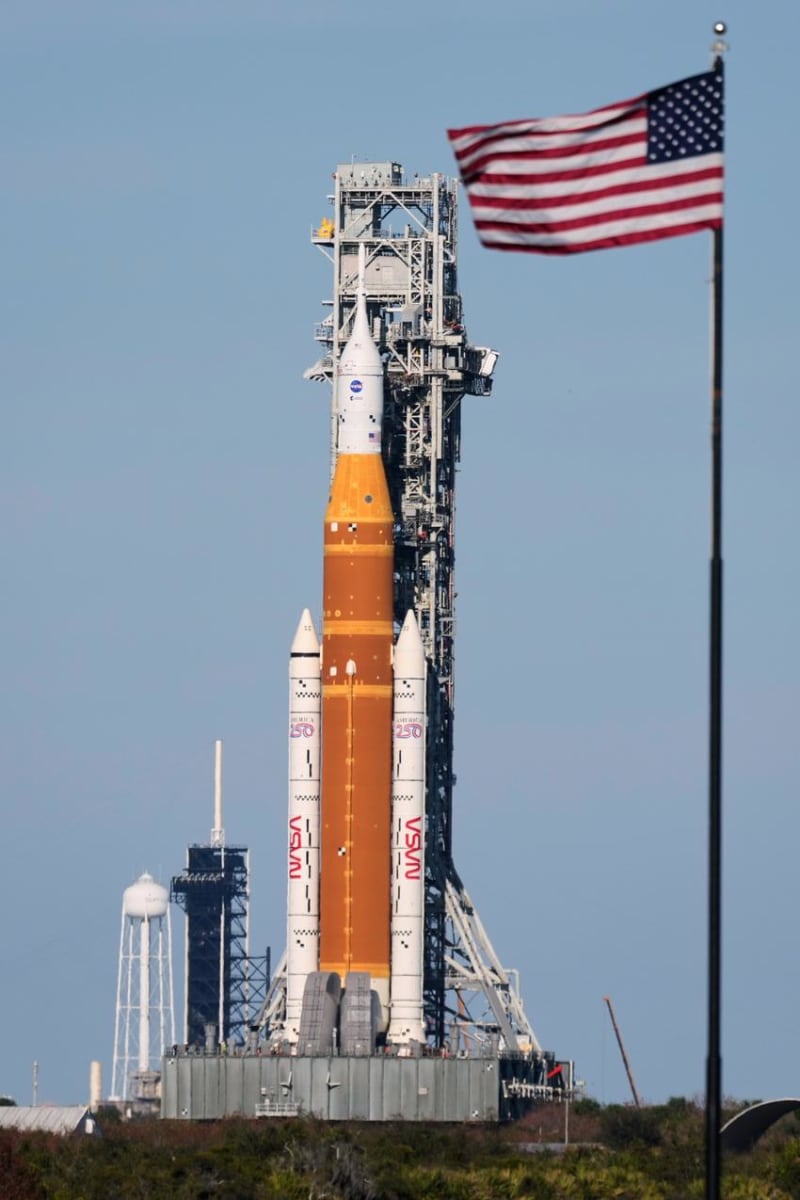
Here's the exciting new timeline. Four astronauts will fly around the moon in April during Artemis II after some rocket repairs. Then in 2027, a crew will practice docking with a lunar lander in Earth orbit, testing everything before the real deal.
By 2028, astronauts could walk on the moon's surface not once but twice. That's humanity's first lunar landing since 1972, when the Apollo program wrapped up after sending 24 astronauts to the moon and landing 12 of them.
The secret sauce? Apollo's proven approach of quick, methodical flights building on each other. During the original moonshots, missions launched just months apart. Astronauts flew three practice missions to the moon before Neil Armstrong and Buzz Aldrin actually landed.
"No one at NASA forgot their history books. They knew how to do this," Isaacman said. "Now we're putting it in action."
The changes also respond to safety concerns. An aerospace panel warned this week that NASA's goals were too ambitious and urged a scaled-back approach. The new plan directly addresses those worries while keeping the dream of lunar exploration alive.
SpaceX and Blue Origin are both racing to build the landers that will ferry astronauts from orbit down to the moon's surface. Next year, crews will get to test docking with both companies' spacecraft in Earth orbit, eliminating guesswork before the actual moon missions.
NASA is also standardizing its massive Space Launch System rockets moving forward, making everything more predictable and reliable.
Why This Inspires
This story shows what happens when leaders look backward to move forward. The Apollo program wasn't just about reaching the moon. It was about building confidence through quick wins, learning from each flight, and maintaining momentum.
That same spirit is returning to NASA. Instead of perfect becoming the enemy of good, the space agency is choosing action over endless planning. It's a reminder that sometimes the best innovation comes from remembering what already worked.
The approach also reflects broader collaboration. Private companies like SpaceX and Blue Origin are partnering with NASA, combining government resources with entrepreneurial speed. It's democracy and capitalism working together toward an inspiring goal.
After decades of watching other priorities sideline space exploration, Americans are getting back in the game with a plan that honors the giants who came before while racing toward tomorrow.
The moon is waiting, and this time we're not taking a slow boat to get there.
More Images

Based on reporting by Japan Today
This story was written by BrightWire based on verified news reports.
Spread the positivity!
Share this good news with someone who needs it