NASA Spots California Wildflower Superbloom From Space
Millions of bright yellow wildflowers transformed California's Carrizo Plain into a stunning natural spectacle visible from satellites orbiting Earth. Perfect timing of rain and sunshine created one of the most dramatic flower displays in years.
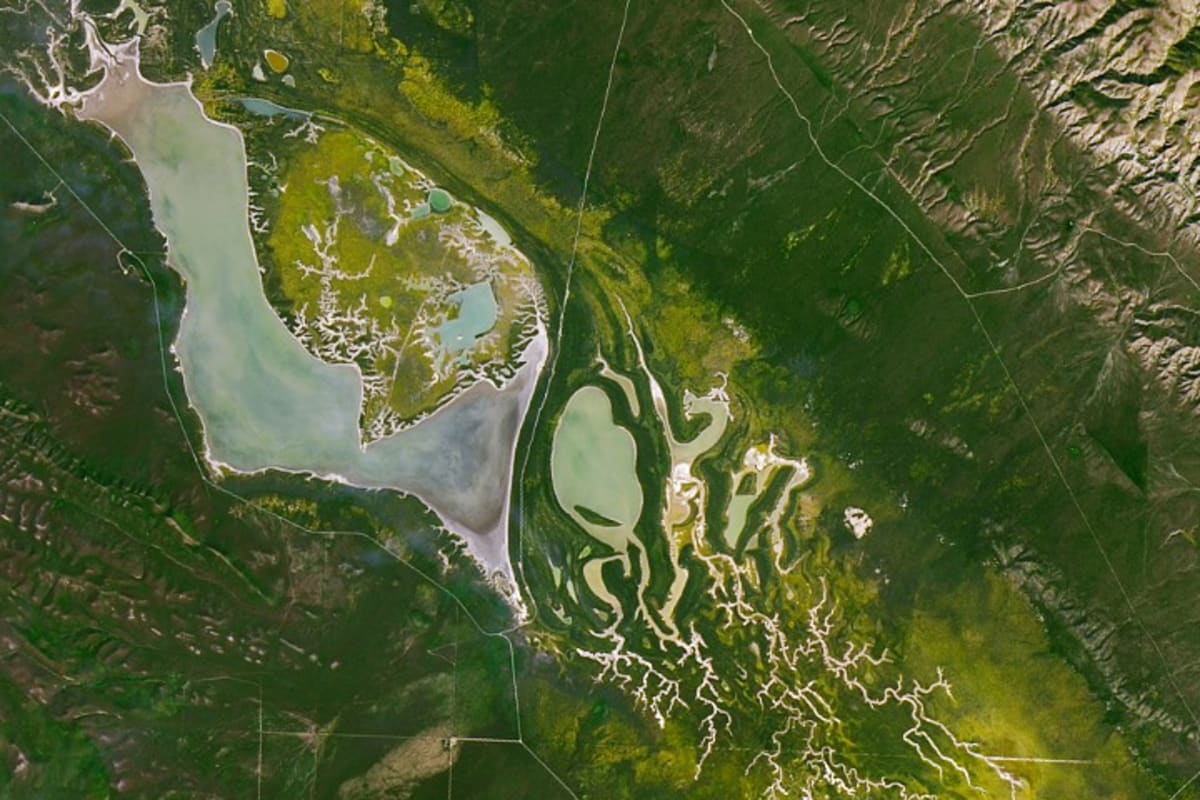
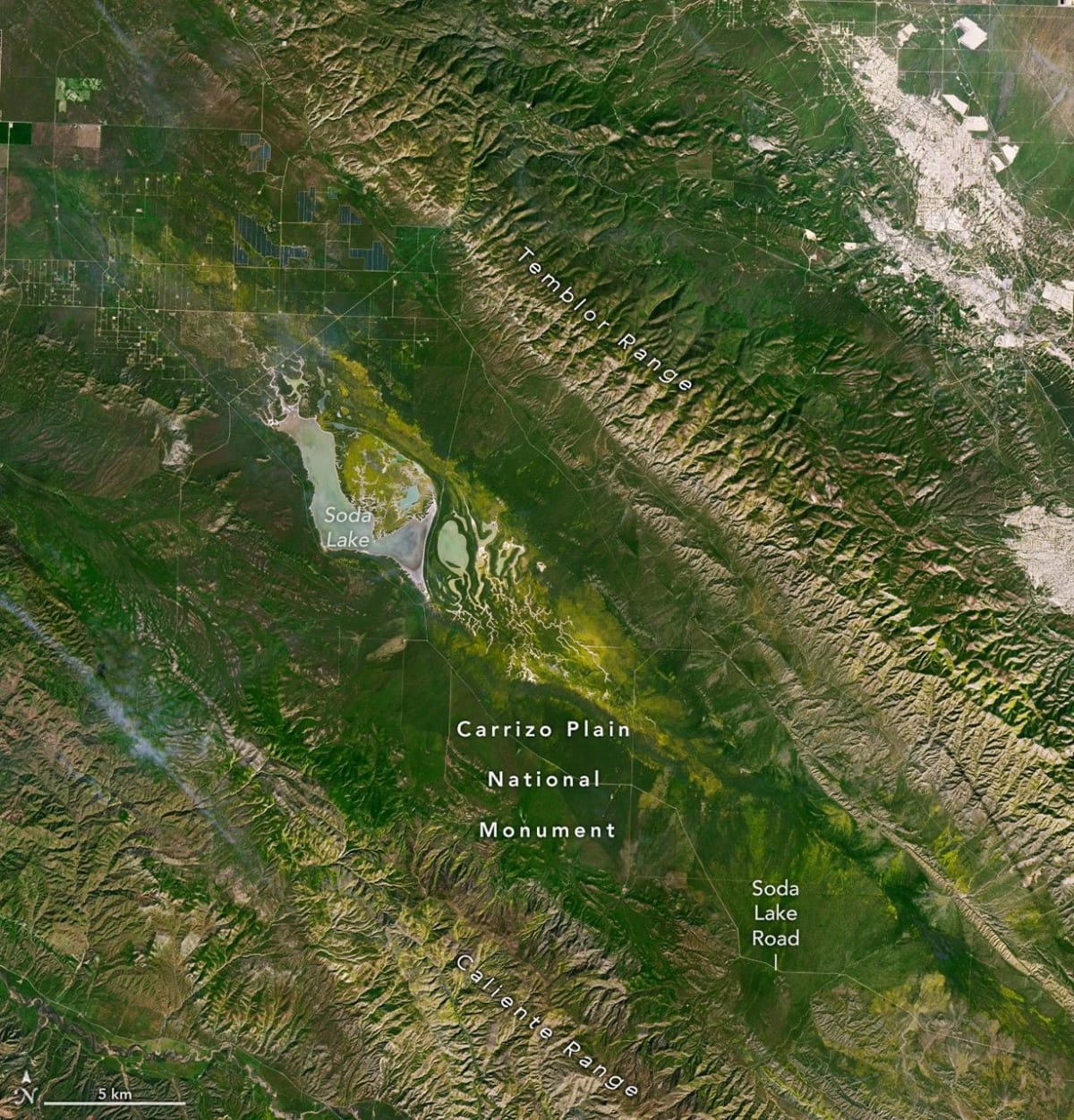
When NASA scientists looked at satellite images of Southern California in mid-March 2026, they saw something stunning: endless waves of yellow flowers stretching for miles across the landscape, so vibrant they glowed from space.
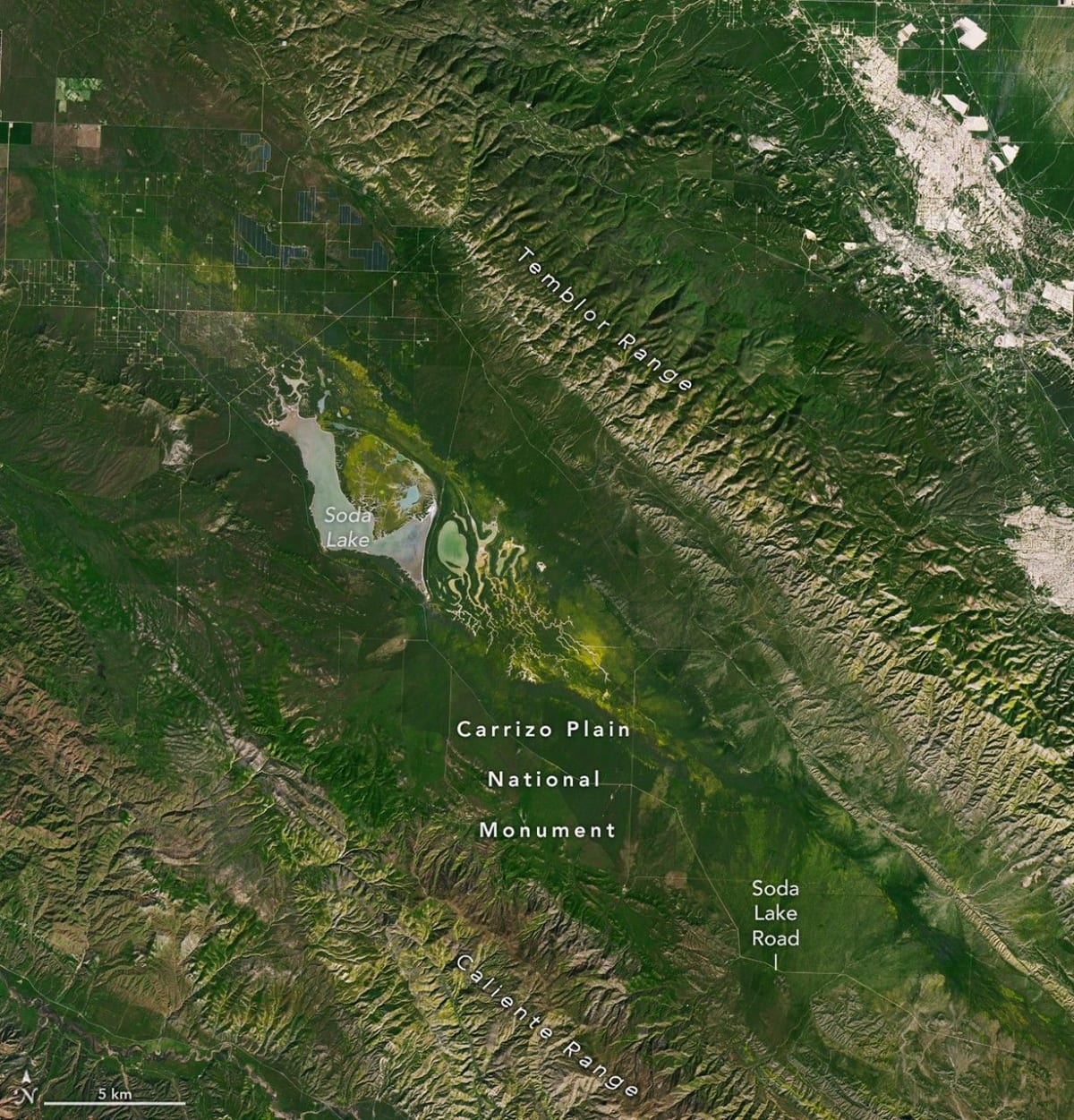
California's Carrizo Plain National Monument experienced what experts are calling a genuine superbloom this spring. Landsat satellites first detected hints of color in February, but by March 13, the transformation was breathtaking.
The stars of the show were common goldfields, tiny wildflowers that grow just centimeters apart but bloom simultaneously to create massive blankets of yellow. Individual plants might be small, but together they painted the valley floor around Soda Lake in brilliant gold.
Purple blooms of Phacelia ciliata added splashes of color along the meadows that trace the San Andreas Fault. Hillside daisies, California goldfields, and forked fiddlenecks transformed the Temblor Range's west-facing slopes into living tapestries.
Nature's timing was perfect. Heavy rains in November and December brought nearly twice the normal rainfall, saturating the soil with moisture. Wildflower seeds need at least half an inch of rain to wash off their protective coating and germinate, and they got exactly what they needed.
The warm, dry periods that followed the early rains were equally important. Once established, wildflowers thrive with intermittent rainfall rather than constant soaking, and the variable winter conditions of 2025-2026 created ideal growing conditions.
NASA scientist Yoseline Angel was on the ground in Carrizo Plain on March 13, taking measurements as satellites passed overhead. "I would certainly consider this a superbloom," she said. "It's hard to describe how stunning these wildflowers were from the ground."
The Caliente Range benefited from an unexpected advantage: the Madre fire in July 2025 had burned off grass thatch, giving wildflowers room to spread without competition.
Why This Inspires
Angel and her NASA colleagues are developing a global flower monitoring system that combines ground observations with satellite data. Their work will help farmers, beekeepers, and resource managers track blooms across broad areas.
Flowering plants produce fruit, nuts, honey, and cotton, making bloom timing crucial for agriculture and ecosystems. What started as a beautiful natural display is helping scientists develop tools that could support food production and environmental management worldwide.
Bryce King, lead field botanist for the California Native Plant Society, described "seemingly unending stretches of color" across the valley during his March visit. The synchronicity of blooms on the valley floor and surrounding hills was "beyond anything" he had expected.
Sometimes the best moments come when conditions align perfectly, and this spring's superbloom proved that nature still has the power to amaze us from every angle.
More Images

Based on reporting by NASA
This story was written by BrightWire based on verified news reports.
Spread the positivity!
Share this good news with someone who needs it