NASA Strengthens Artemis: Adds a Mission and Refines Its Overall Architecture
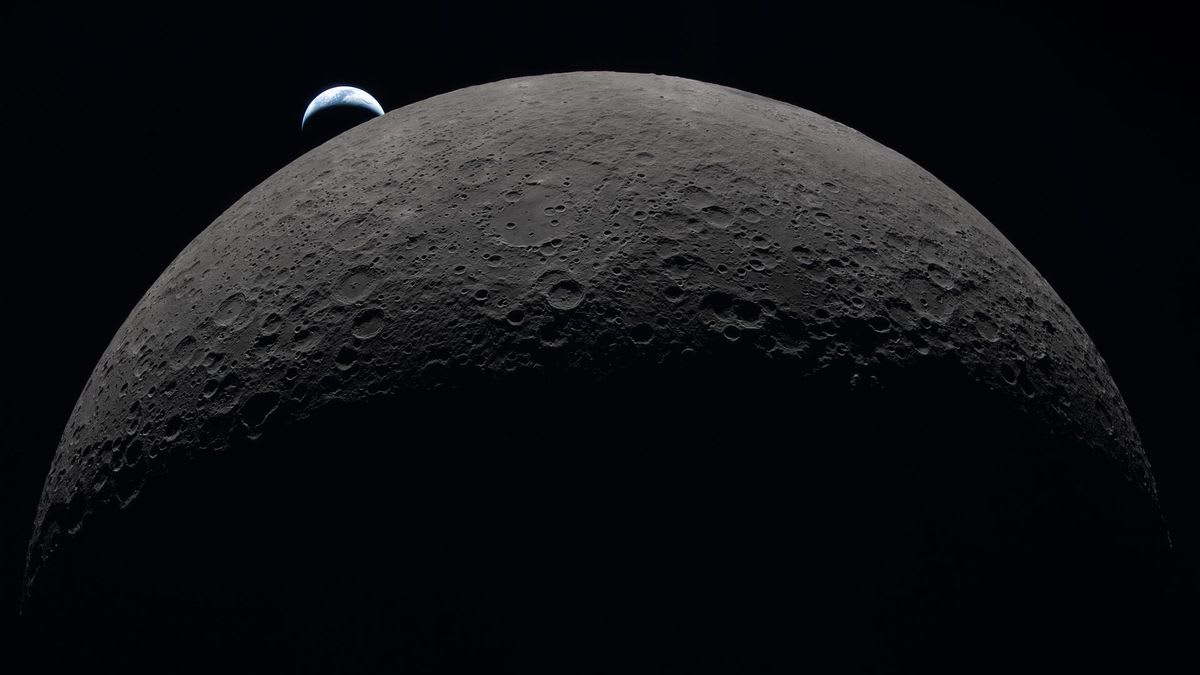
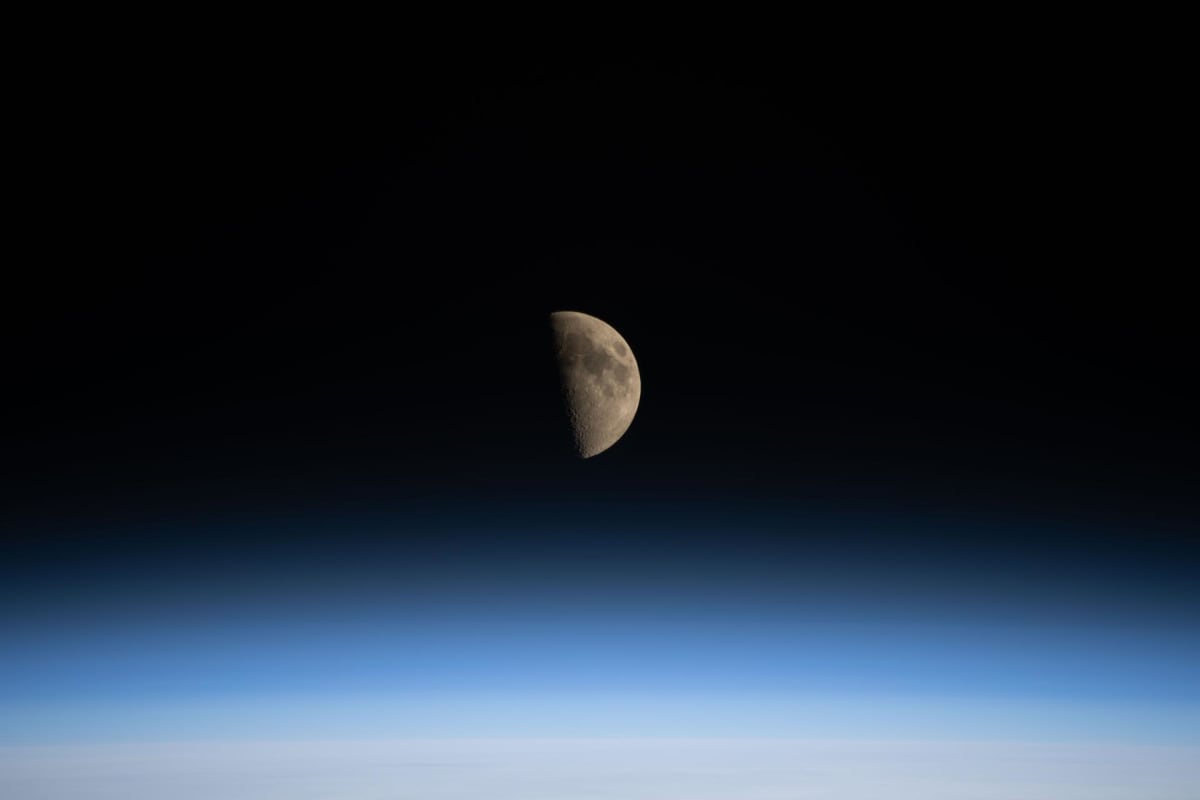
NASA just announced an accelerated timeline to return astronauts to the Moon, with plans for annual lunar missions beginning in 2028. The space agency is adding a new test mission and streamlining its rocket design to make Moon exploration a regular occurrence for the first time in human history.
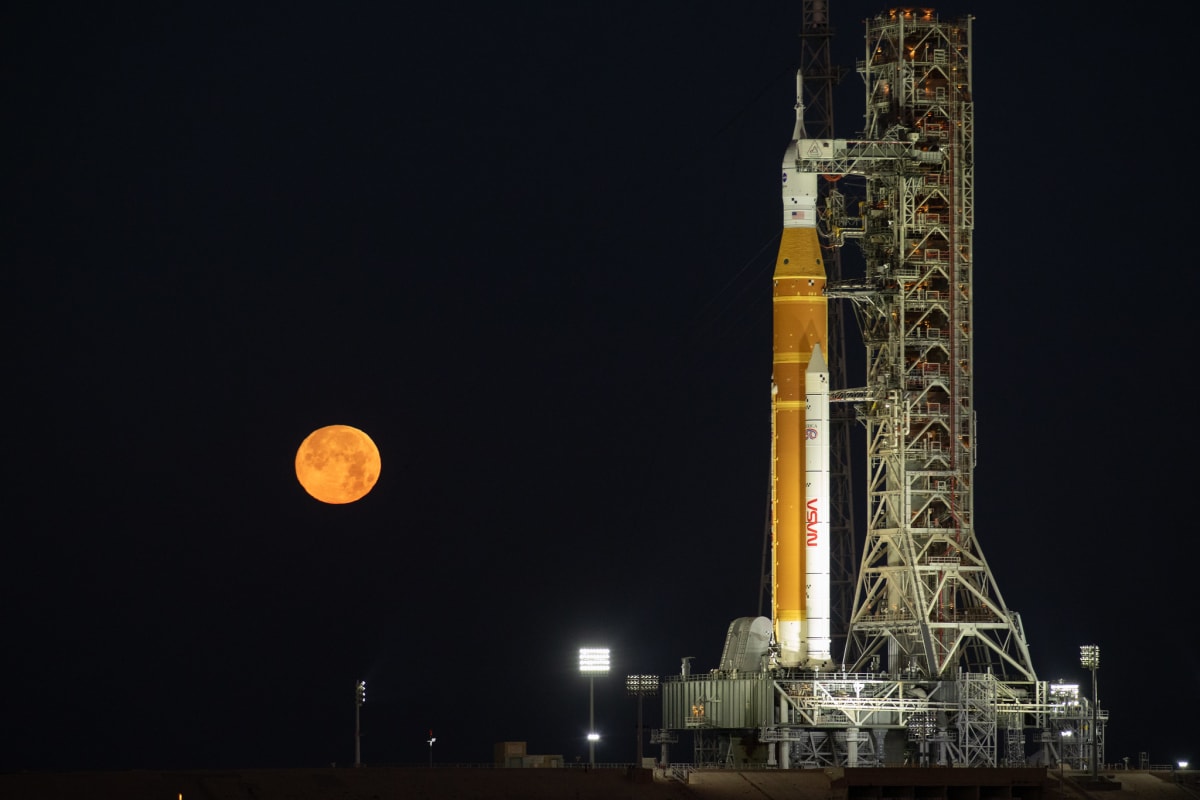
NASA announced on February 27 that it will increase mission frequency with the Artemis program, standardize the Space Launch System (SLS) rocket configuration, and add a new mission. The updated architecture includes adding a new mission in 2027 to test system capabilities closer to Earth before sending astronauts to the Moon's surface for the first time in over 50 years, aiming for one lunar mission per year thereafter.
Mission Updates:
- Artemis I: Successfully completed uncrewed test flight in November 2022
- Artemis II: First crewed test flight launching no later than April 2026 with four astronauts (Reid Wiseman, Victor Glover, Christina Koch from NASA, and Jeremy Hansen from CSA) on a 10-day mission around the Moon
- Artemis III: New demonstration mission added for mid-2027 in low Earth orbit to test commercial landers from SpaceX and Blue Origin
- Artemis IV: First Artemis landing planned for early 2028 at the lunar South Pole
- Artemis V: Expected late 2028, beginning lunar base construction
NASA is standardizing the SLS rocket and evaluating alternatives for the second stage, no longer planning to use the Exploration Upper Stage or Mobile Launcher 2 due to development delays.
---
BRIGHTWIRE ARTICLE
TITLE: NASA Plans Yearly Moon Missions Starting 2028
SUMMARY: NASA just announced an accelerated timeline to return astronauts to the Moon, with plans for annual lunar missions beginning in 2028. The space agency is adding a new test mission and streamlining its rocket design to make Moon exploration a regular occurrence for the first time in human history.
CONTENT:
After more than 50 years away from the lunar surface, NASA is preparing to make Moon visits an annual event starting in 2028.
The space agency announced its revamped Artemis program will launch astronauts to the Moon once every year, a historic shift that makes lunar exploration routine rather than rare. To get there, NASA is adding an extra test mission in 2027 and standardizing its Space Launch System rocket to speed up production.
The news came during a press conference at Kennedy Space Center in Florida, where NASA officials detailed how they plan to safely transport crews to the Moon's unexplored South Pole. The updated timeline maintains the first Moon landing for early 2028, a target the agency has held since mid-2025.
Before that landmark moment, four astronauts will circle the Moon no later than April 2026 on Artemis II. NASA astronauts Reid Wiseman, Victor Glover, and Christina Koch, along with Canadian astronaut Jeremy Hansen, will spend about 10 days testing the Orion spacecraft during humanity's first crewed journey beyond low Earth orbit in over half a century.
The newly added Artemis III mission in 2027 will test commercial lunar landers from SpaceX and Blue Origin in Earth orbit. Astronauts aboard Orion will practice docking with these private spacecraft, rehearsing the delicate maneuvers needed to transfer crews to the Moon's surface.
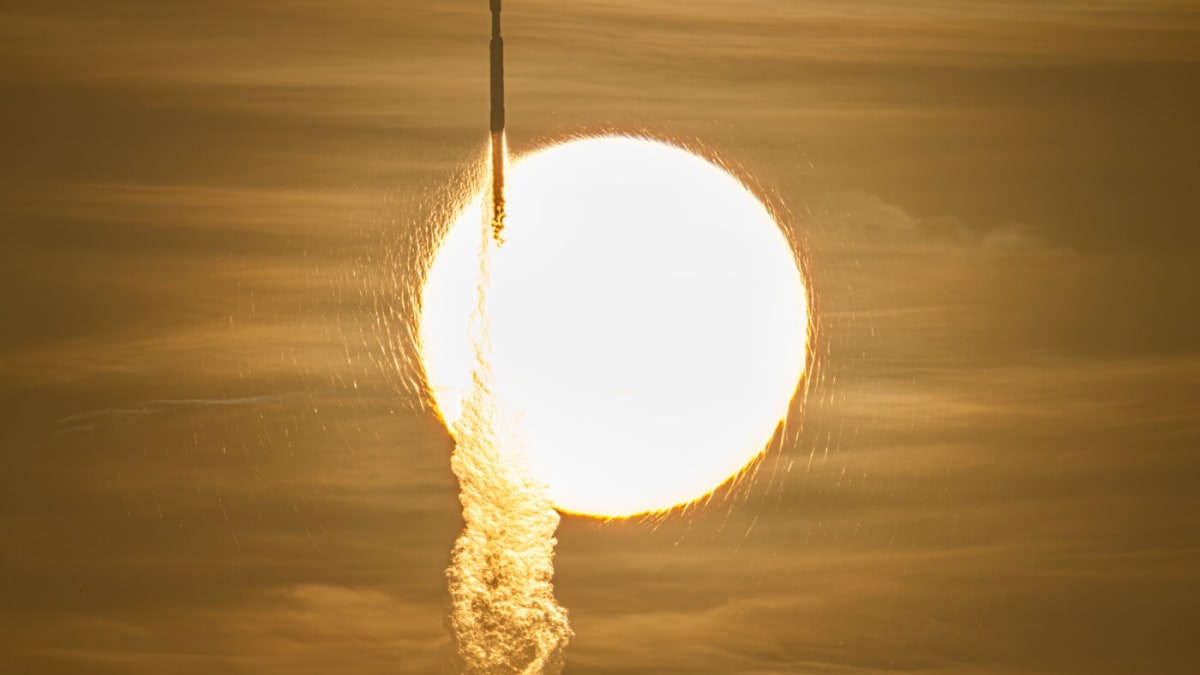
NASA successfully flew the first uncrewed Artemis test in November 2022, proving the massive SLS rocket and Orion capsule could handle the journey. Engineers are currently working on the Artemis II rocket at Kennedy Space Center, fixing a helium flow issue discovered after a successful fueling rehearsal in February.
The Ripple Effect
Making Moon missions an annual occurrence opens possibilities that seemed like science fiction just years ago. A permanent lunar base, planned to begin construction during the Artemis V mission in late 2028, could serve as a stepping stone for Mars exploration and unlock scientific discoveries about our solar system's history.
The streamlined approach also strengthens America's position in space exploration as multiple nations eye lunar ambitions. By standardizing rocket production and partnering with commercial companies, NASA is building a sustainable path forward rather than another brief moment in the Moon's dusty footprints.
Humanity is about to become a two-world species, with regular commutes to our closest cosmic neighbor.
More Images
Based on reporting by NASA
This story was written by BrightWire based on verified news reports.
Spread the positivity!
Share this good news with someone who needs it