NASA Taps 8 Student Teams to Fix Aviation Worker Shortage
Eight student teams won $9,000 each to help solve America's aircraft maintenance crisis with innovations like repair robots and smart glasses. Their ideas could reshape aviation safety while launching the next generation of aerospace careers.
College students across America just became NASA's secret weapon in solving one of aviation's biggest headaches: a shortage of skilled workers to keep planes flying safely.
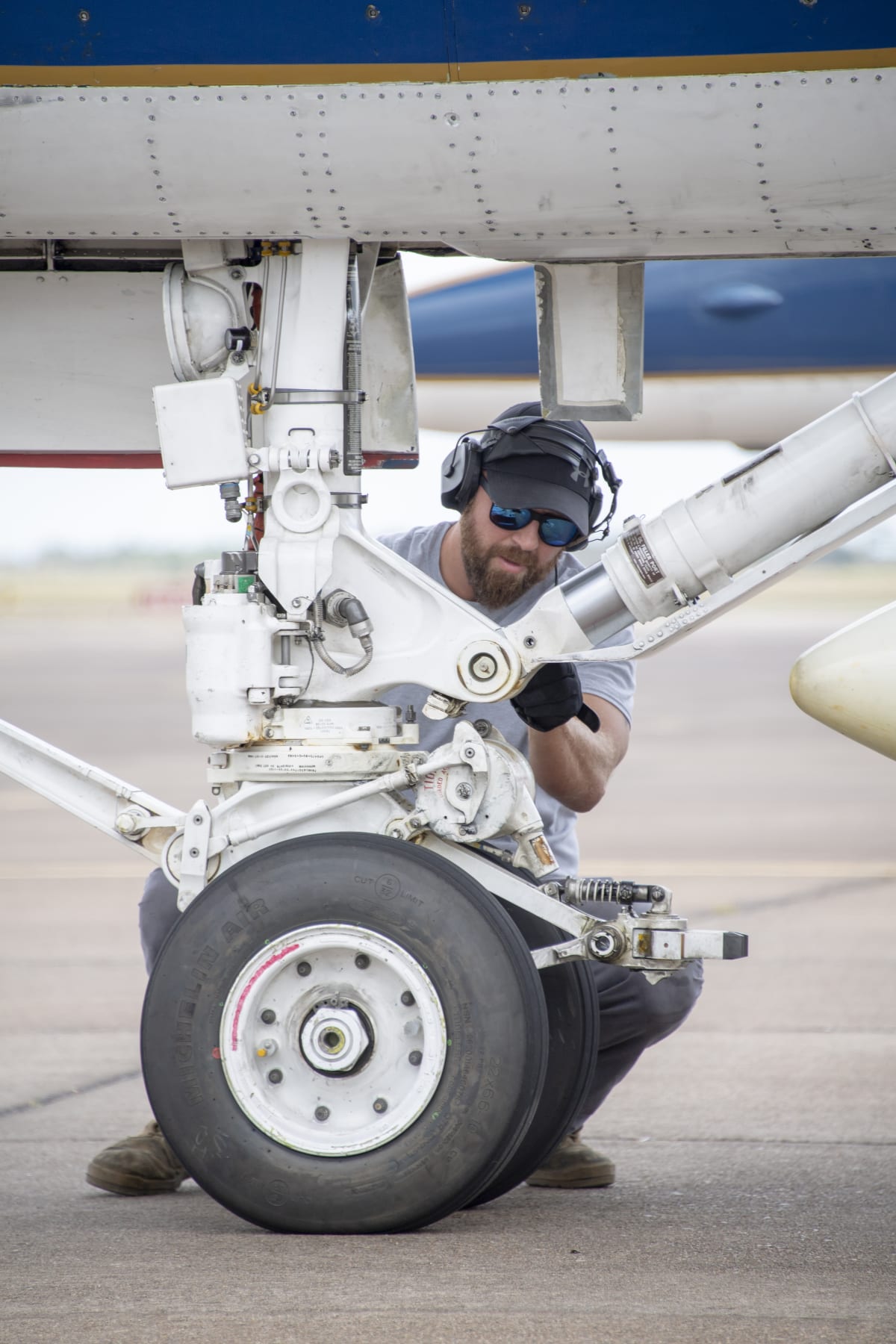
NASA selected eight finalist teams for its 2026 Gateways to Blue Skies Competition, awarding each $9,000 to develop innovative solutions for aircraft maintenance. The challenge tackles a pressing problem facing airlines today: not enough qualified technicians and increasingly complex aircraft that need to stay operational longer.
Unlike typical NASA competitions focused on futuristic technology decades away, this challenge demands solutions ready by 2035. Students proposed practical innovations including inspection robots, augmented reality glasses for mechanics, and machine learning systems that predict maintenance needs before problems arise.
"By grounding innovative ideas in real operational needs and presenting them to NASA and industry experts, these teams demonstrate the kind of critical thinking, collaboration, and forward-looking problem solving that will shape a safer, more efficient aviation industry in the near future," said Steven Holz, associate project manager for NASA's University Innovation Project.
The finalist teams come from universities nationwide, from Michigan State to the University of California, Irvine. South Dakota State alone landed three teams in the finals with creative solutions like SPIDER (a surveying platform for tight spaces) and WINGMAN (augmented reality for faster inspections).
The Ripple Effect
This competition serves double duty for NASA. While addressing the immediate maintenance worker shortage, it simultaneously builds tomorrow's aviation workforce by getting students excited about aerospace careers early.
The winning concepts could improve efficiency, safety, and costs across the entire commercial aviation industry. When maintenance happens faster and more accurately, airlines save money, mechanics work more safely, and passengers benefit from more reliable flights.
In May, the eight teams will present their final designs at NASA Langley Research Center in Hampton, Virginia. The event streams globally, giving students worldwide a front-row seat to innovation in action. Members of the winning team who meet eligibility requirements will receive NASA Aeronautics internships, turning their academic projects into real career launchpads.
From robotic crawlers that detect rust to AI systems monitoring engine health, these student innovations prove that fresh perspectives can crack industry-wide challenges. The best part? These aren't just classroom exercises but solutions the aviation industry desperately needs right now.
The next generation isn't just dreaming about fixing aviation's problems; they're already building the tools to make it happen.
More Images



Based on reporting by NASA
This story was written by BrightWire based on verified news reports.
Spread the positivity!
Share this good news with someone who needs it