NASA Targets March 6 for First Moon Mission Since 1972
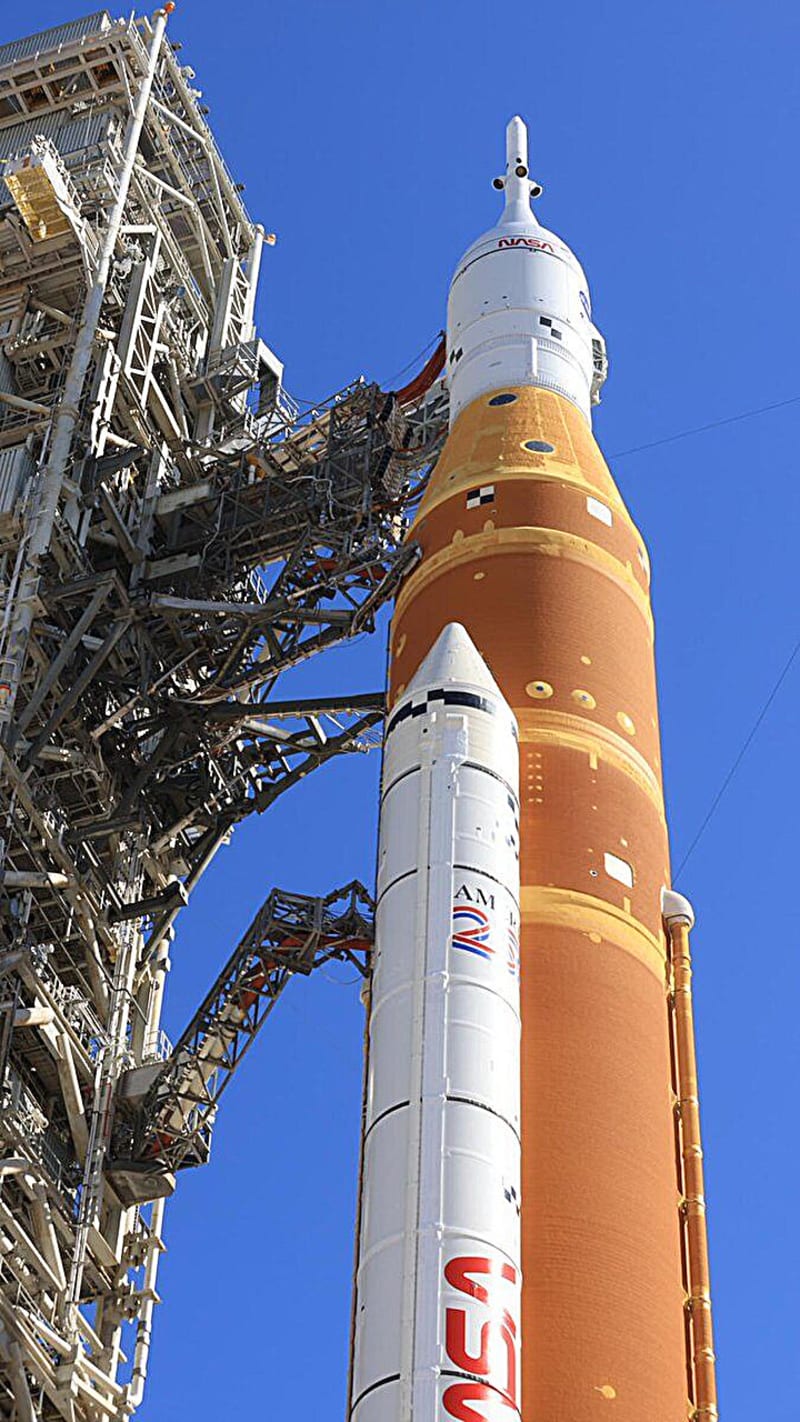
After fixing hydrogen leaks that plagued early tests, NASA successfully completed a full fueling rehearsal for Artemis II, clearing the path for four astronauts to fly around the moon as soon as March 6. It would mark humanity's first lunar journey in over 50 years.
NASA just aced the test that brings us one giant leap closer to returning humans to the moon for the first time in more than half a century.
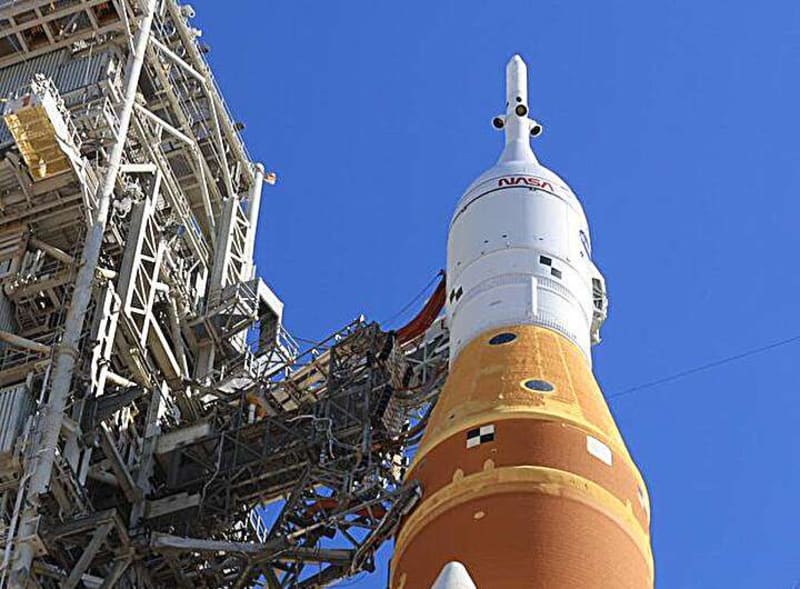
The space agency completed a successful fueling test Thursday night for its massive Space Launch System rocket, fixing the hydrogen leaks that derailed earlier attempts this month. Administrator Jared Isaacman called it "major progress" toward America's return to the lunar environment.
Four astronauts—three Americans and one Canadian—could launch as soon as March 6 from Kennedy Space Center in Florida. They're entering mandatory quarantine Friday night to keep their options open for the five-day launch window.
The crew will be the first humans to fly to the moon since Apollo 17 closed NASA's lunar chapter in 1972. Commander Reid Wiseman and two crewmates watched Thursday's countdown alongside launch controllers as the clock ticked down to the target 29-second mark.
The successful test came after technicians replaced two seals that caused dangerous hydrogen leaks during the first fueling demonstration in early February. Those leaks ate up February's launch opportunities and put the mission timeline in jeopardy.
Thursday's rehearsal proved the fixes worked. The countdown proceeded smoothly without the significant seepage that plagued the earlier attempt. NASA still needs to conduct a flight readiness review before giving the final green light, but the team has overcome the biggest technical hurdle.
The Artemis II mission will send the crew on a fly-around of the moon without landing. It's the critical test flight that paves the way for later missions that will put boots back on the lunar surface.
If NASA misses the March window, the next opportunity won't come until April. But right now, everything points to go.
Why This Inspires
This mission represents more than a return to space exploration. It's proof that even after setbacks and delays, teams can solve complex problems and push humanity forward. The crew includes the first Canadian to travel to the moon, showing how space exploration has evolved into a truly international achievement.
Every person who watches the launch will witness history. Kids who weren't alive during the Apollo era will see humans journey to the moon for the first time in their lives, inspiring a new generation to dream big and reach for the stars.
After 54 years away, we're going back.
More Images



Based on reporting by Phys.org
This story was written by BrightWire based on verified news reports.
Spread the positivity!
Share this good news with someone who needs it