NASA Telescope Catalogs 1.3 Million X-Ray Sources in Space
NASA's Chandra X-ray Observatory has mapped over 1.3 million cosmic X-ray sources across 22 years, creating an unprecedented treasure trove for scientists worldwide. This "ultimate compendium" of space observations helps astronomers unlock mysteries from distant galaxies to our own Milky Way's center.
📺 Watch the full story above
Twenty-two years of gazing into the cosmos has produced something extraordinary: a catalog containing 1.3 million X-ray detections that scientists can now use to understand our universe better than ever before.
NASA's Chandra X-ray Observatory, one of the agency's "Great Observatories," has been quietly building this cosmic library since its launch. The latest version of the Chandra Source Catalog contains over 400,000 unique sources and more than 1.3 million individual detections, all collected through the end of 2020.
Think of it like a master recording artist's complete discography, except instead of songs, Chandra has captured X-ray "tracks" from supernovas, black holes, and distant galaxies. Each observation provides precise locations and energy information that scientists using other telescopes, including the James Webb and Hubble Space Telescopes, can combine with their own data.
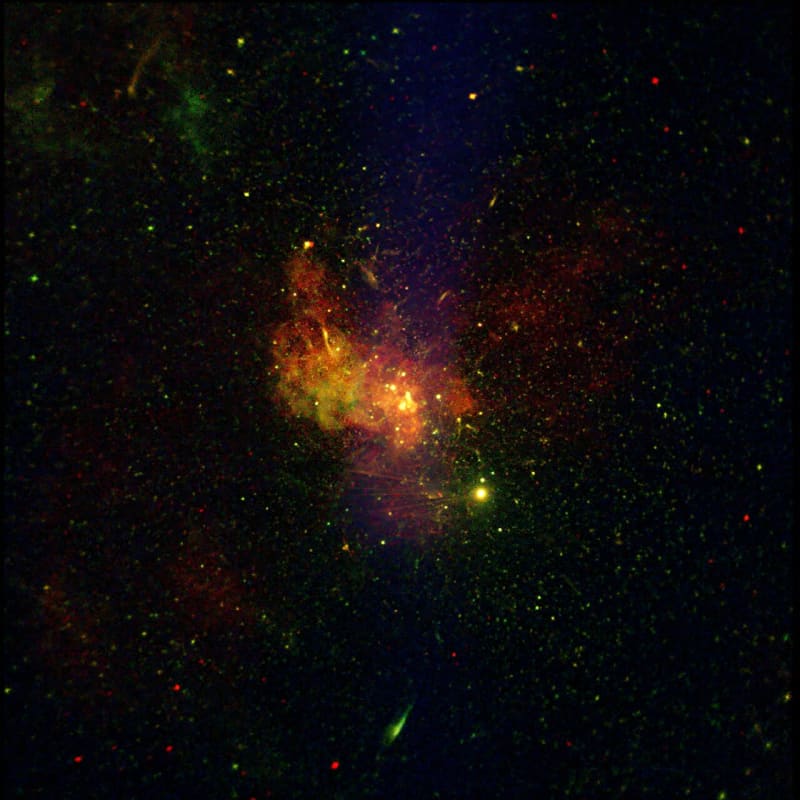
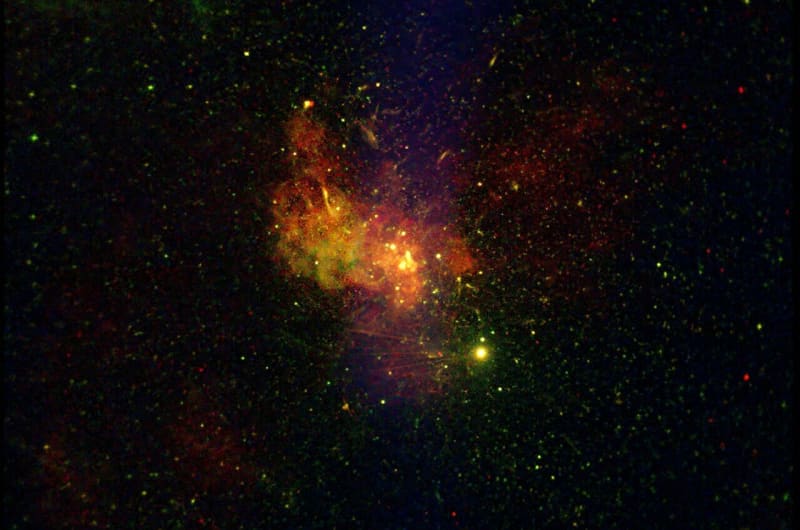
The catalog's power shines brightest in a stunning new image of our galaxy's center. In a region spanning just 60 light-years (a pinprick on the cosmic scale), Chandra detected over 3,300 individual X-ray sources surrounding Sagittarius A*, the supermassive black hole at the Milky Way's heart. That single image represents 86 observations totaling over three million seconds of telescope time.
Why This Inspires
What makes this achievement truly special is how it democratizes cosmic discovery. Scientists around the world can now access decades of painstaking observations through one comprehensive database, combining X-ray data with information from other wavelengths of light.
The team even created a sonification translating the catalog into sound, with different musical notes representing repeat observations of the same sources over time. As the visualization sweeps across the sky map, a collage of Chandra images fades in, showing the breadth of discoveries made possible by this orbiting observatory.
Since Chandra remains fully operational, the catalog keeps growing. The video's year counter switches to "and beyond" after 2021, a hopeful reminder that this cosmic recording session is far from over. Each new observation adds to humanity's understanding of the high-energy universe, from stellar explosions to the extreme environments around black holes.
For astronomers, it's like having a universal reference guide that took 22 years to compile but will serve science for generations. The catalog turns two decades of patient observation into a springboard for future discoveries about the most energetic phenomena in our universe.
More Images
Based on reporting by Phys.org
This story was written by BrightWire based on verified news reports.
Spread the positivity!
Share this good news with someone who needs it