NASA Telescope Tracks Rare Interstellar Comet's Final Pass
NASA's planet-hunting spacecraft just captured something extraordinary: a visitor from beyond our solar system making its final journey past Earth. The comet is only the third confirmed object ever detected from another star system.
A comet from another star system just gave scientists a parting gift as it races back into deep space, and NASA captured every moment.
In January 2026, NASA's TESS spacecraft tracked interstellar comet 3I/ATLAS as it sped away from our solar neighborhood forever. This rare visitor represents only the third confirmed object ever detected from beyond our solar system, making every second of observation incredibly valuable.
Unlike ordinary comets born in our cosmic backyard, 3I/ATLAS follows a hyperbolic path that proves it's just passing through. It came from somewhere among the stars, looped around our Sun, and is now heading back into the vast darkness between solar systems.
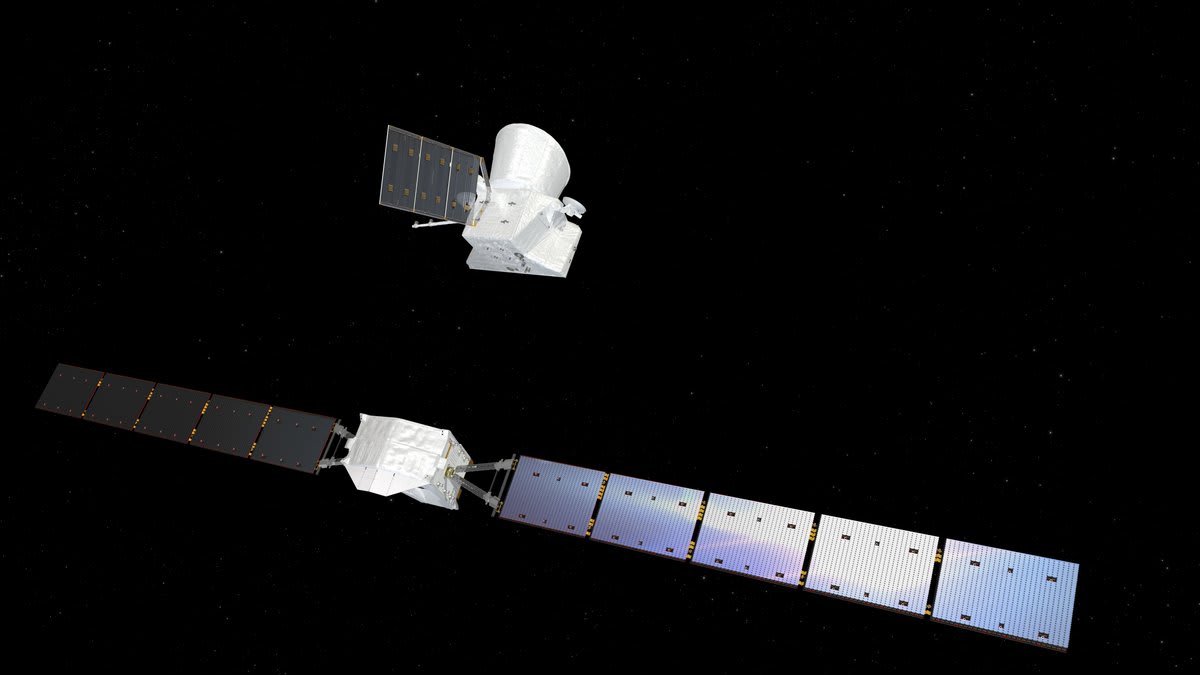
TESS wasn't even designed for this job. The spacecraft was built to find distant planets by watching for tiny dips in starlight. But that same ability to stare continuously at huge patches of sky made it perfect for tracking a fast-moving cosmic wanderer.
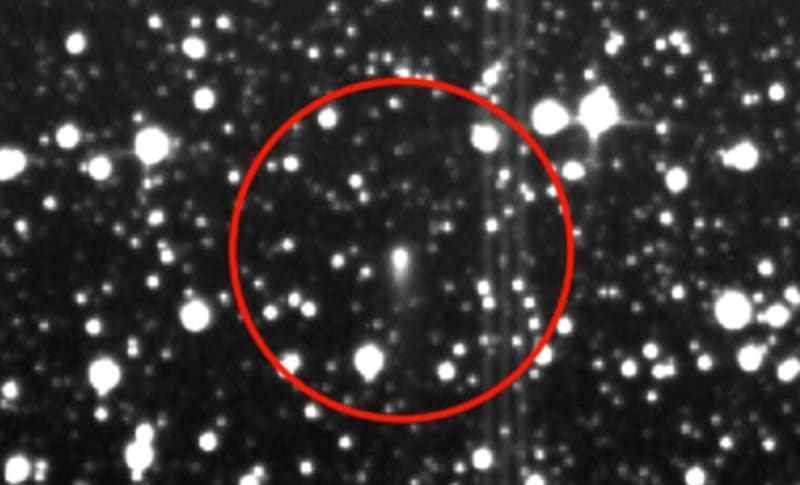
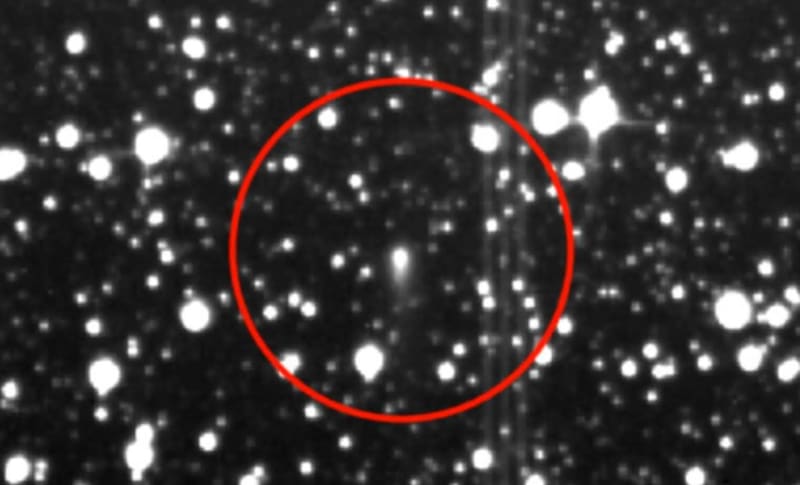
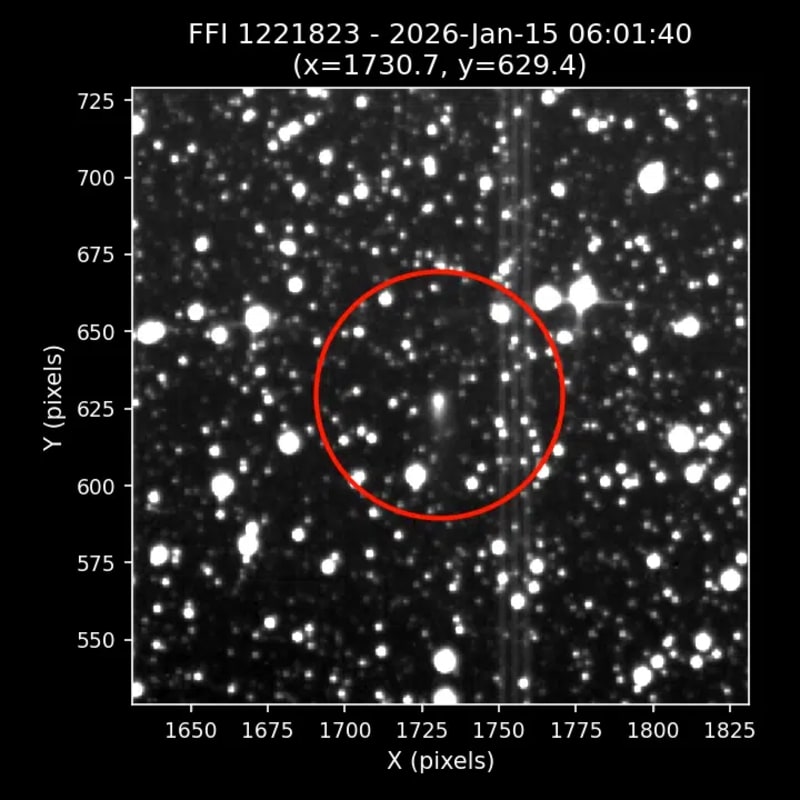
Over 28 hours, TESS recorded the comet as a bright dot with a faint tail streaking through dense star fields. Those images revealed something scientists desperately wanted to see: subtle brightness changes that reveal how fast the comet spins and what shape it might be.
Why This Inspires
Every interstellar visitor is like receiving a postcard from alien worlds we'll never reach. This comet formed around a distant star, possibly light-years away, and carried information about that faraway system right to our doorstep.
The rotation data helps scientists understand whether comets from other star systems behave like ours or follow completely different rules. Differences in how they spin, shed dust, or respond to sunlight could reveal whether our solar system is typical or wonderfully unique.
NASA made all the data publicly available through their space telescope archive. Researchers worldwide can now search for patterns that might reveal the comet's internal structure, composition, and even clues about the star system where it was born.
What makes this observation special is its timing. As the comet moved away from the Sun, it grew fainter and less active, making it harder to study. TESS's ability to watch continuously over many hours let scientists catch details that ground telescopes would have missed.
The spacecraft proved that tools designed for one purpose can answer questions their builders never imagined. That adaptability becomes crucial when dealing with unpredictable visitors that appear without warning and disappear just as quickly.
The Ripple Effect
This success story extends beyond one comet. Every interstellar object we study helps astronomers estimate how many might be passing through our solar system undetected. Some scientists believe these visitors could be surprisingly common, with dozens zipping through the space between planets at any given time.
Understanding these objects also refines our models of how planetary systems form across the galaxy. Each measurement adds to a growing database comparing what happens around our Sun versus distant stars.
By the time you read this, 3I/ATLAS is already millions of miles farther from Earth, carrying its secrets back into interstellar space. But the data captured during these final observations will keep revealing new insights for years to come, helping us understand our place among the stars.
More Images

Based on reporting by Google: NASA discovery
This story was written by BrightWire based on verified news reports.
Spread the positivity!
Share this good news with someone who needs it