NASA Tests Future Space Stations on ISS Before 2030 Sunset
NASA is turning the aging International Space Station into a launchpad for its replacements, inviting private companies to build and test new orbital habitats directly on the ISS before it retires in 2030. The creative solution could ensure America never loses access to space while sparking a new era of commercial space exploration.
NASA just found a creative way to prevent a gap in America's access to space while launching a new era of orbital innovation.
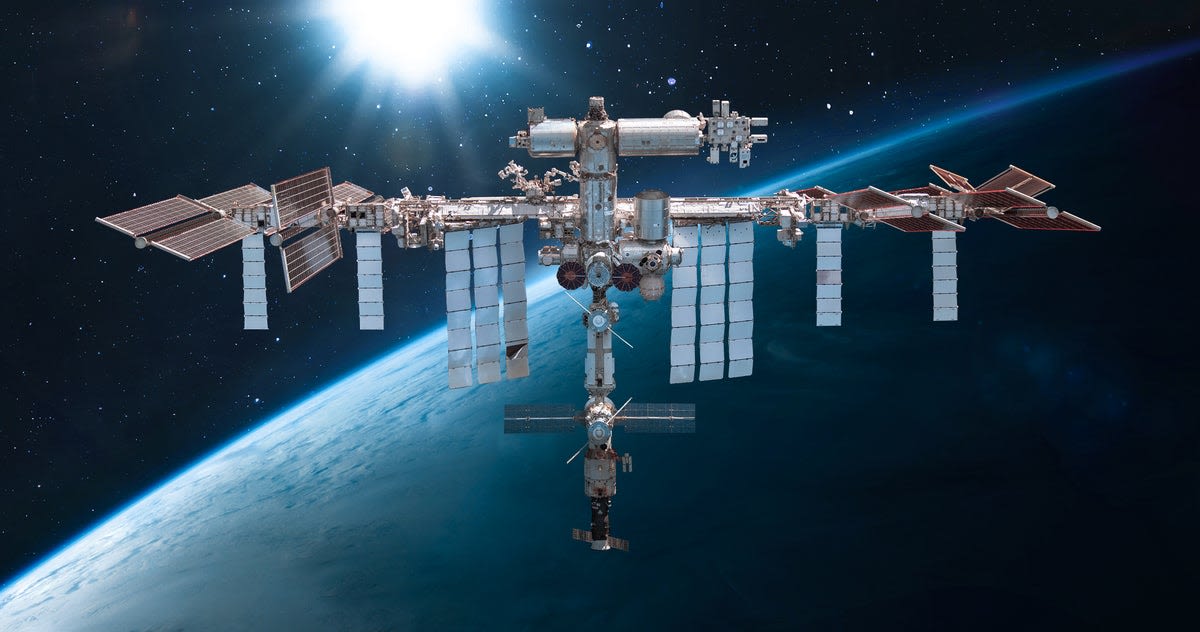
The space agency announced this week it's opening the International Space Station as a testing ground for the private space stations that will replace it. Companies can now propose attaching experimental modules directly to the ISS, perfecting their designs in the safety of a proven platform before detaching to fly solo.
The clock is ticking faster than anyone hoped. The ISS has been orbiting Earth far beyond its original design lifetime, and experts worry an unexpected failure could send the massive laboratory tumbling uncontrolled. NASA already hired SpaceX in 2024 to build a specialized vehicle that can safely guide the station to burn up over the ocean when retirement day arrives in 2030.
That deadline creates urgency for the commercial space stations that NASA is counting on. The agency made a bold decision years ago to step back from building its own station, instead supporting private companies like Texas-based Axiom Space, Jeff Bezos's Blue Origin, and industry veterans Northrop Grumman and Nanoracks.
But despite ambitious plans from multiple space startups, no commercial station has materialized yet. NASA's new approach of letting companies test modules on the ISS itself could be the breakthrough needed to accelerate progress.
Under the plan, NASA would procure a "Core Module" to attach to the space station. Private companies would then dock their experimental habitats to this hub, running them through rigorous testing while still connected to the ISS's power, life support, and safety systems.
The Ripple Effect
This strategy creates a safety net for both NASA and the emerging commercial space industry. Companies get to prove their technology works in actual space conditions without the terrifying risk of launching an untested standalone station. NASA gets confidence that replacements will be ready before the ISS retires.
The benefits extend far beyond NASA's needs. The agency envisions becoming just one customer among many using these future commercial stations. Scientists, manufacturers, tourists, and international partners could all rent space, creating a vibrant orbital economy that makes space access more affordable and routine.
Congressional committees are already pushing NASA to extend ISS operations two extra years beyond 2030, worried about the gap if replacements aren't ready. This new testing approach might be exactly what's needed to hit that deadline with working alternatives.
The ISS has been humanity's continuous home in space for over two decades, hosting groundbreaking research and international cooperation. Now it's getting one final mission: serving as the proving ground that ensures we never leave low Earth orbit again.
More Images



Based on reporting by Scientific American
This story was written by BrightWire based on verified news reports.
Spread the positivity!
Share this good news with someone who needs it