NASA Tests Nuclear Rocket Engine for First Time Since 1960s
NASA just completed groundbreaking tests on a nuclear rocket engine that could cut travel time to Mars in half. It's the first flight-ready reactor tested in over 60 years, bringing us closer to exploring the far reaches of our solar system.
For the first time since the 1960s, NASA has successfully tested a flight-ready nuclear rocket engine that could revolutionize how we explore space.
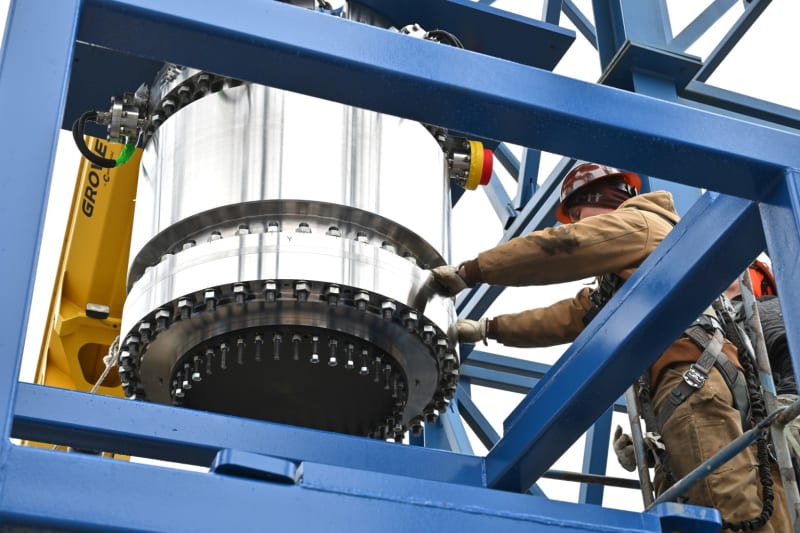
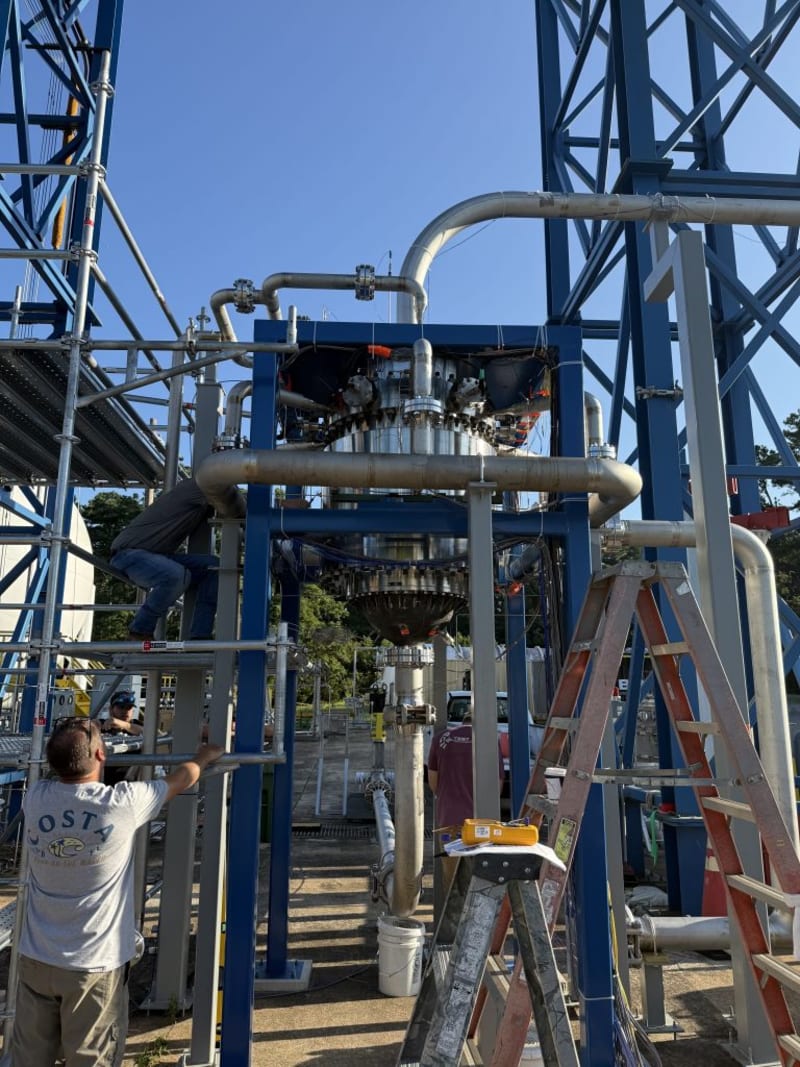
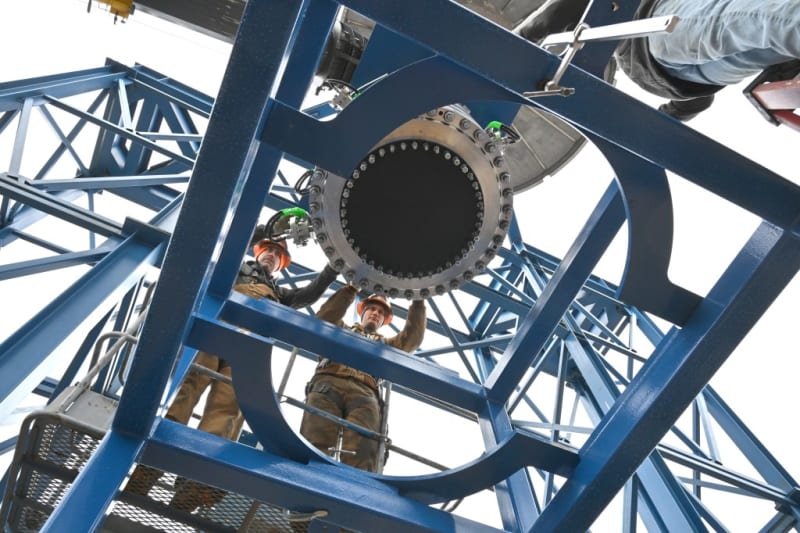
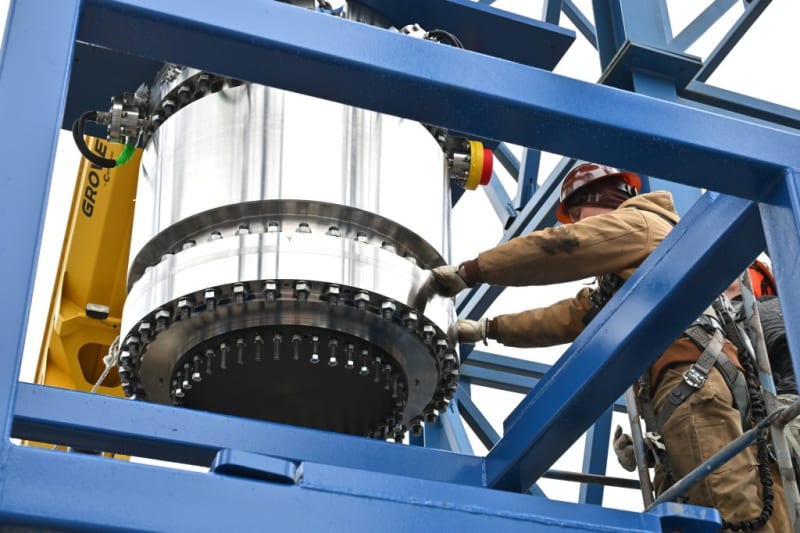
Between July and September 2025, teams at NASA's Marshall Space Flight Center in Huntsville, Alabama, ran over 100 tests on a drum-sized nuclear reactor. The tests proved the engine can handle the intense conditions of deep space travel without breaking down.
Why does this matter? Nuclear propulsion could cut Mars travel time from nine months to just four or five months. That means astronauts spend less time exposed to dangerous cosmic radiation and arrive healthier, ready to explore.
The reactor, built by BWX Technologies in Virginia, is about the size of a 100-gallon drum measuring 44 inches by 72 inches. Engineers tested how fuel flows through the system under different conditions without using actual nuclear materials yet.
One major win: the team proved the reactor won't shake itself apart. When fluids move through engines at high speeds, they can create destructive vibrations. These tests showed the design stays stable and safe.
"Nuclear propulsion has multiple benefits including speed and endurance that could enable complex deep space missions," said Greg Stover, acting associate administrator of NASA's Space Technology Mission Directorate. Faster travel times open up destinations that are currently out of reach.
Why This Inspires
This breakthrough represents decades of patience and persistence paying off. After 60 years without testing flight-ready nuclear propulsion, NASA engineers are finally turning science fiction into science fact.
Jason Turpin, manager of NASA's Space Nuclear Propulsion Office, called it "a key steppingstone toward developing a flight-capable system." The detailed data collected will guide the design of actual flight systems that could launch within the next decade.
Beyond speed, nuclear engines offer another huge advantage: power. Future spacecraft could carry more scientific equipment, run better communication systems, and support larger crews on longer missions. The technology could enable crewed missions to Jupiter's moons or even deeper into our solar system.
The tests also validated manufacturing processes, proving that industry partners can build these complex systems reliably. Every successful test brings the dream of exploring distant worlds closer to reality for the next generation of astronauts.
We're watching the foundation being laid for humanity's greatest adventures in space.
More Images
Based on reporting by NASA
This story was written by BrightWire based on verified news reports.
Spread the positivity!
Share this good news with someone who needs it