NASA to Build Permanent Moon Base by 2030
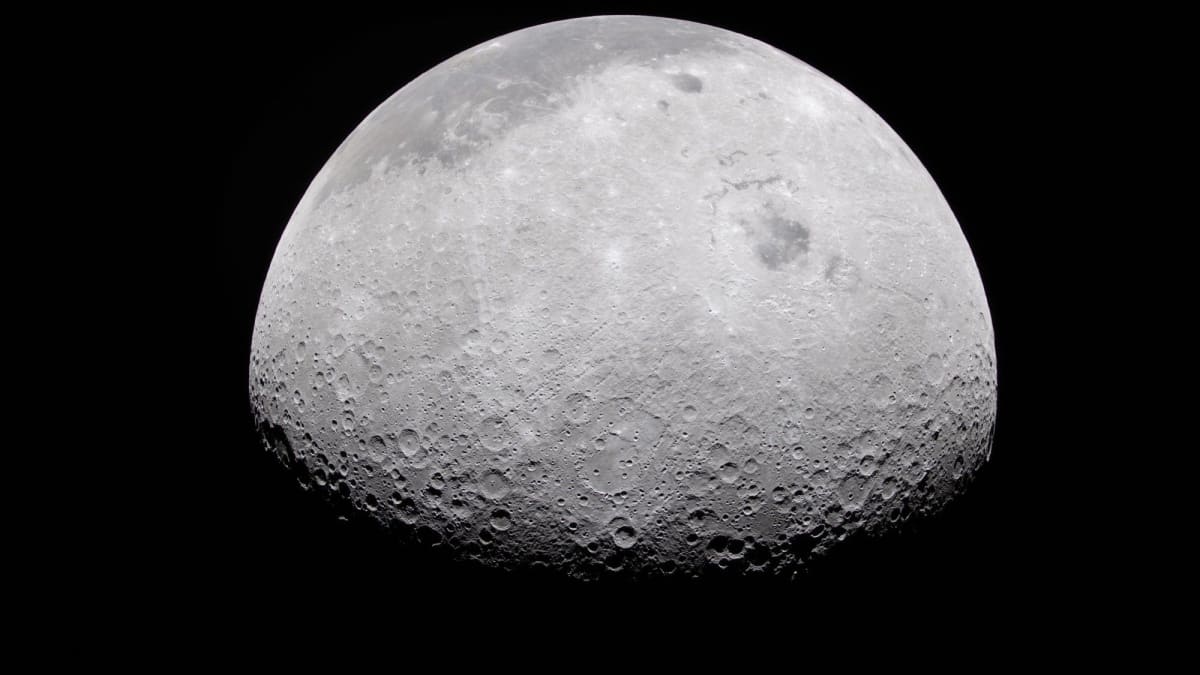
The United States is racing to establish humanity's first permanent lunar outpost within four years, turning science fiction into reality. Astronauts will live and work on the moon's surface, developing technologies that could unlock the solar system.
America is going back to the moon, and this time we're staying.
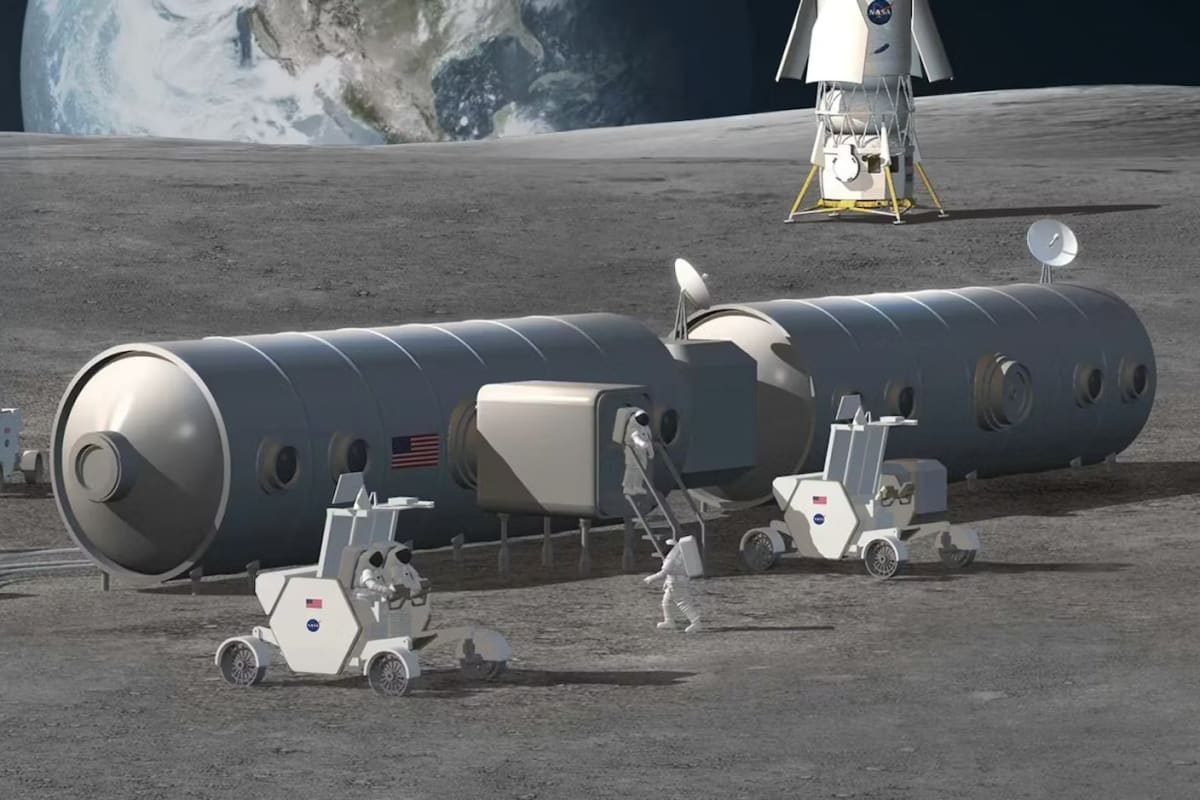
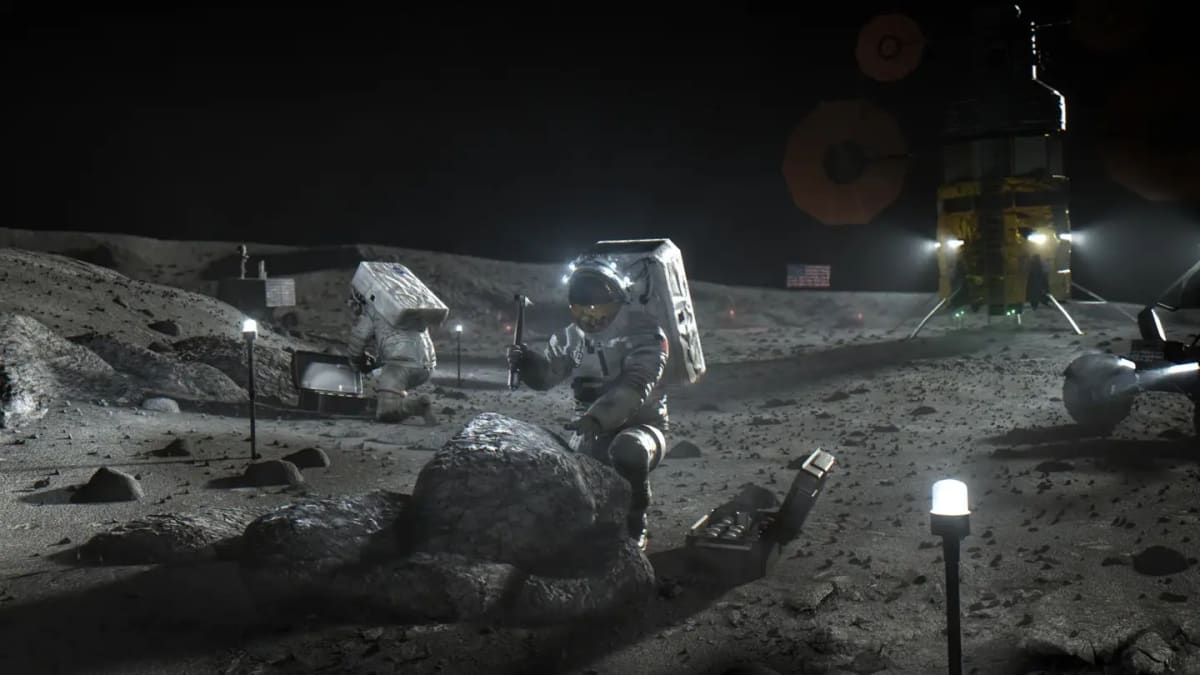
NASA has been directed by the White House to establish the first elements of a permanent moon base by 2030. The outpost will serve as both a science laboratory and a training ground where astronauts develop skills for deep space exploration.
The location is already decided: the moon's south pole. This strategically important region harbors water ice trapped in permanently shadowed craters that have been dark for billions of years.
That water is liquid gold for space exploration. Astronauts can drink it, use it for life support systems, and split it into hydrogen and oxygen to create rocket fuel for journeys deeper into the solar system.
The leading candidates include the rim of Shackleton Crater and a mountain called Mons Mouton. These elevated sites receive nearly constant sunlight, providing steady solar power while staying close to those precious ice deposits.
Building a moon base solves puzzles Earth-based engineers have never faced. Temperatures swing wildly from 127°C in sunlight to negative 173°C in shadow. The moon's 14-day night cycle means solar panels alone can't provide continuous power.
NASA's solution? Nuclear fission reactors developed with the Department of Energy will generate a steady 40 kilowatts of power. The reactors launch from Earth in an inactive state and power up after landing, buried in lunar soil for radiation protection.
The timeline is ambitious but achievable. This year, Artemis will send astronauts around the moon for the first time since 1972. By 2028, boots touch lunar soil again. Two years later, the base becomes operational.
Why This Inspires
This isn't just about planting flags or beating rivals to the finish line. A permanent moon base represents humanity's first true foothold beyond Earth.
The technologies developed there—from water extraction systems to radiation shielding—will enable Mars missions and asteroid mining. Skills learned living off-world for months at a time become the foundation for interplanetary civilization.
Underground lava tubes discovered near the lunar equator could shelter entire communities from radiation and temperature extremes. These natural caverns maintain a comfortable 17°C year-round, potentially housing dozens of astronauts.
The international cooperation required to make this work is already happening. The Artemis Accords establish rules for peaceful lunar operations, with safety zones around critical infrastructure and transparent communication about surface activities.
Within four years, humans will wake up each morning on another world. They'll conduct experiments impossible on Earth, mine resources that could fuel the space economy, and prove we can thrive beyond our home planet.
The moon base isn't the destination—it's the first permanent stepping stone to everywhere else we're going.
More Images


Based on reporting by Singularity Hub
This story was written by BrightWire based on verified news reports.
Spread the positivity!
Share this good news with someone who needs it