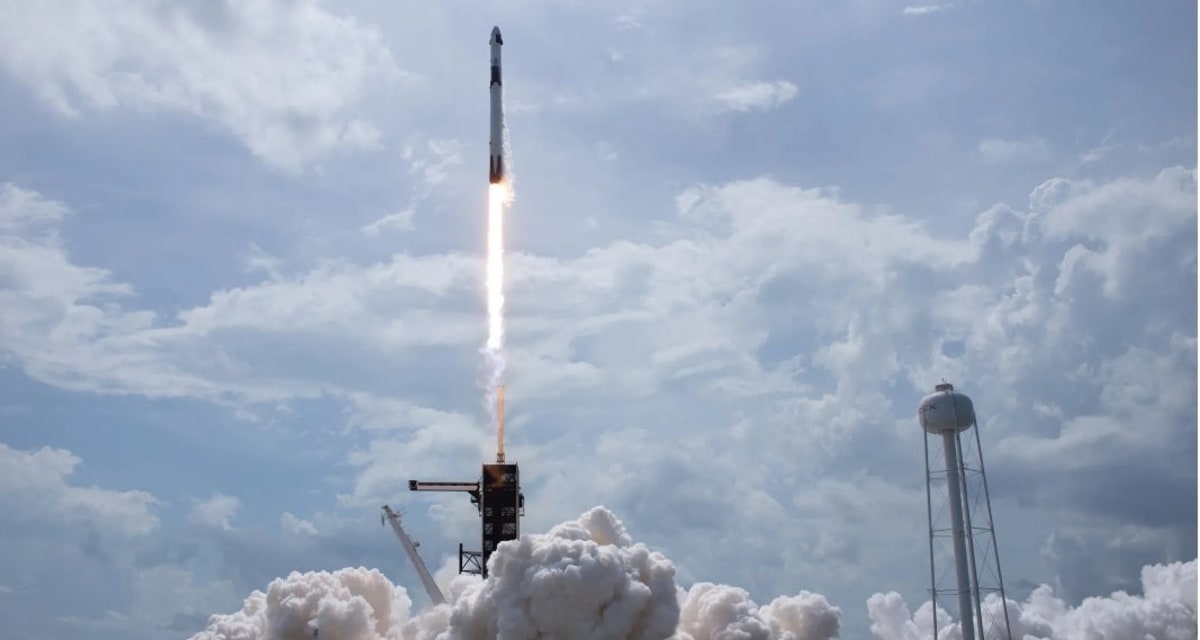
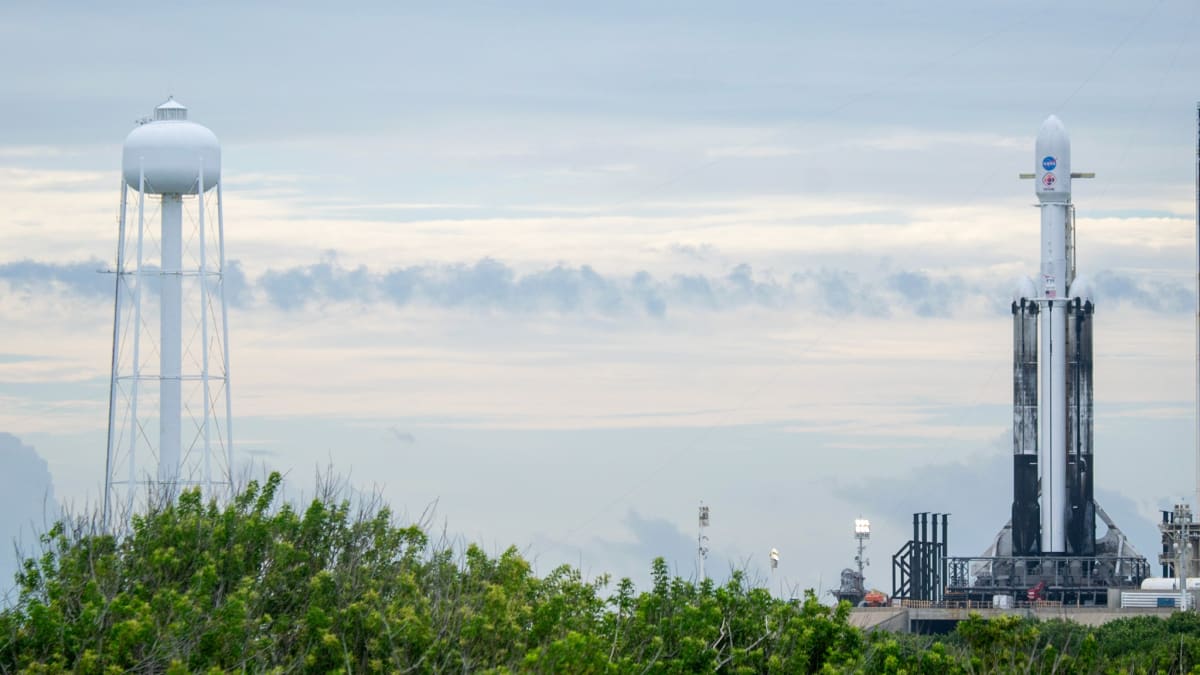
NASA to Launch Nuclear-Powered Spacecraft to Mars by 2028
America is building its first nuclear reactor-powered interplanetary spacecraft, designed to reach Mars faster than ever before. The Space Reactor-1 Freedom could revolutionize how we travel between planets.
After decades of research and abandoned attempts, NASA just announced it will launch the first nuclear reactor-powered spacecraft to Mars within four years.
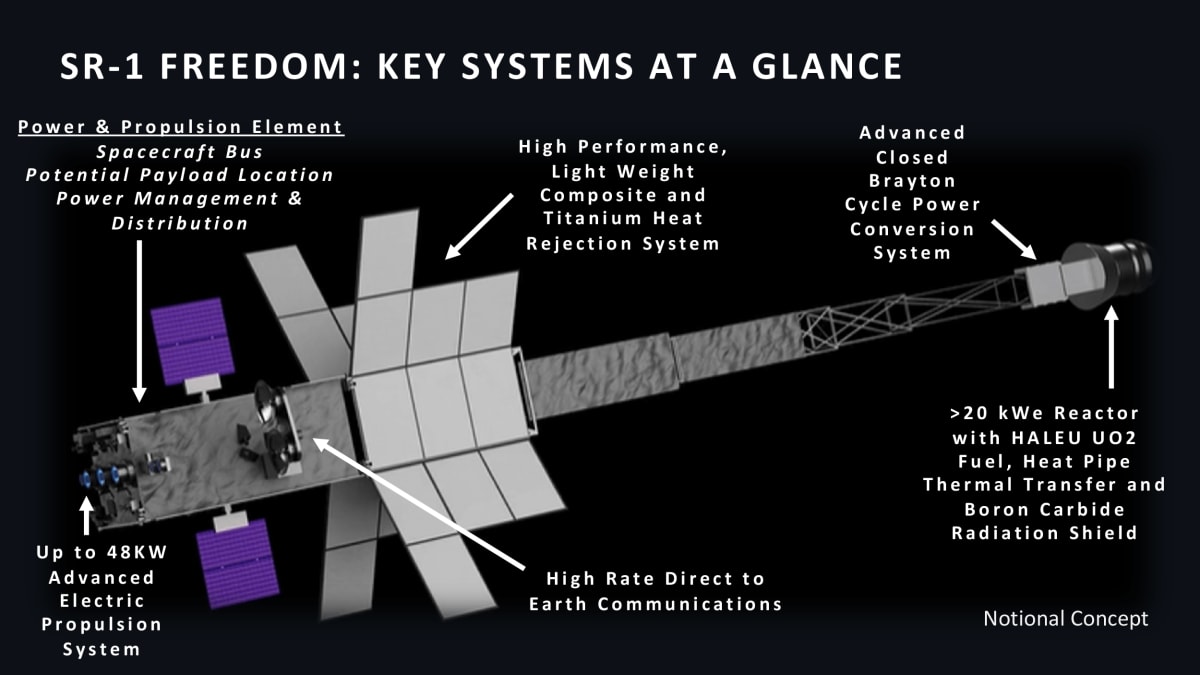
The Space Reactor-1 Freedom (SR-1) represents a complete shift in how we travel through space. NASA Administrator Jared Isaacman revealed the ambitious plan just before the historic Artemis II mission, promising to finally turn nuclear space propulsion from concept to reality.
So how does a nuclear spacecraft work? The basics are surprisingly similar to power plants on Earth: uranium fuel gets bombarded with neutrons, causing a massive chain reaction that produces incredible heat. That heat converts to electricity, powering the spacecraft far more efficiently than anything we've used before.
The real game-changer is energy density. Nuclear fuel delivers orders of magnitude more power per kilogram than traditional rocket fuel, meaning spacecraft can fly farther and faster while carrying less weight. "You get more bang per kilogram," explains Simon Middleburgh, co-director of the Nuclear Futures Institute at Bangor University.
This also solves the solar power problem. Current spacecraft like the Artemis II capsule depend on sunlight for energy, but planets and moons create shadows, and sunlight weakens dramatically beyond Mars. Nuclear reactors shine regardless of where you are in the solar system.
Nuclear power in space isn't actually new. The Soviet Union launched dozens of reactor-powered satellites, and the US sent one up in 1965. Both Voyager missions and the Cassini probe used radioactive batteries called RTGs, though those are far less powerful than true nuclear reactors.
Previous American programs exploring nuclear propulsion kept getting cancelled due to high costs and safety concerns about ground testing. The most recent casualty was DRACO, a NASA and Defense Department collaboration that ended in 2025.
Why This Inspires: This breakthrough could reshape humanity's relationship with space exploration. Faster travel times mean astronauts face less radiation exposure during Mars missions and need fewer supplies for the journey. The technology might give the US an edge over China in the race to land people on another planet, turning a new chapter in human achievement.
Lindsey Holmes, an expert in space nuclear technology, calls the efficiency "really, really, really high." That enthusiasm is shared across the scientific community, even as experts acknowledge the 2028 timeline is incredibly tight.
The announcement put a smile on researchers' faces worldwide, signaling that America is finally ready to deliver an engineering miracle that's been theoretical for half a century.
Space just got a whole lot closer.
More Images
Based on reporting by MIT Technology Review
This story was written by BrightWire based on verified news reports.
Spread the positivity!
Share this good news with someone who needs it