NASA Turns Jupiter and Saturn Into Music You Can Hear
NASA transformed telescope data from Jupiter, Saturn, and Uranus into actual music, letting us hear the crackling auroras and sweeping rings of our solar system's giants. The soundscapes turn invisible X-ray data into an immersive audio experience anyone can enjoy.
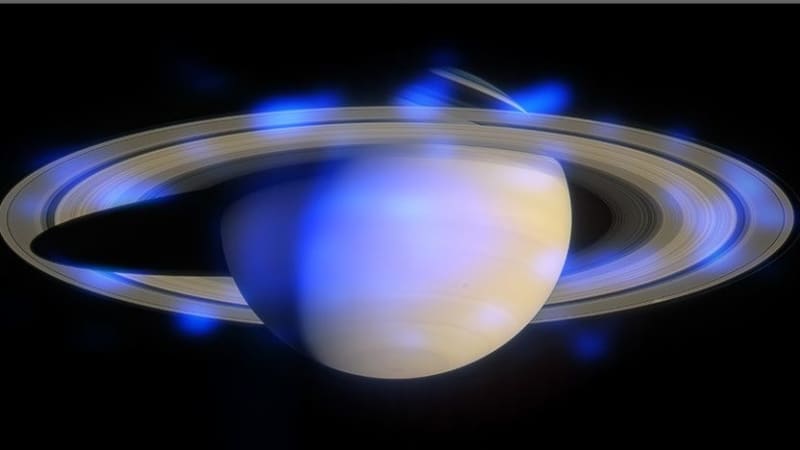
Imagine hearing Jupiter's aurora crackle like distant thunder or Saturn's rings sweep past like a siren. NASA's Chandra X-ray Observatory just made that possible by transforming telescope data into music.
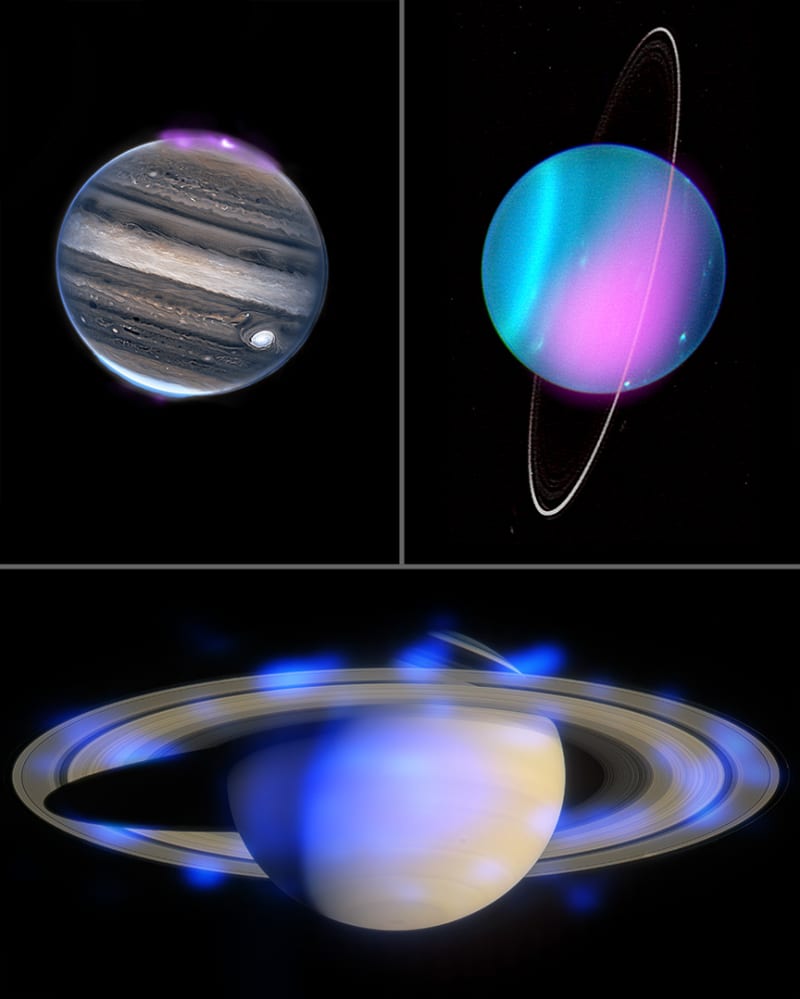
The space agency released new soundscapes this month that turn invisible X-ray observations of Jupiter, Saturn, and Uranus into layered musical compositions. The timing matches a rare planetary parade where several bright planets aligned in our night sky.
Here's how it works: scientists map real telescope data to sound by converting brightness, position, and energy into pitch, volume, and instrument choice. A digital line sweeps across images captured by Chandra and other telescopes like Hubble, and wherever it encounters auroras, planetary disks, or rings, the data becomes music.
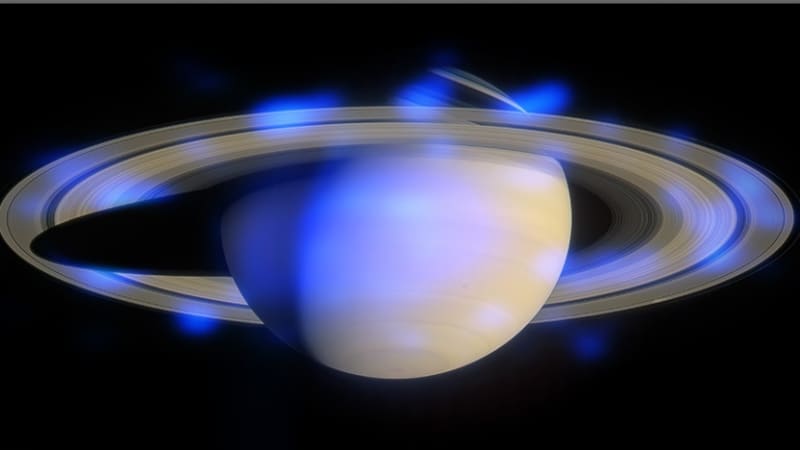
Jupiter's soundtrack features shimmering, wind-like tones that capture its powerful X-ray auroras, while deeper notes roll underneath like thunder from its turbulent atmosphere. Saturn's rings create rising and falling siren-like tones, accompanied by deep bass notes representing the planet itself. Uranus sounds gentler, with cello-like tones tracing its icy ring system.
The process starts with high-energy radiation detected when solar X-rays bounce off planets and moons. Scientists combine these observations with images from multiple observatories to build a complete picture, then translate that visual data into something our ears can understand.
Why This Inspires
This isn't just cool science. It's NASA opening up space exploration to everyone, regardless of how they experience the world.
Sonification gives people who are blind or have low vision a way to explore telescope discoveries. But it does something more: it turns abstract numbers into something deeply human and emotional. Just as astronomers assign colors to invisible wavelengths so we can see them, sonification gives data a voice so we can hear the universe.
NASA has previously transformed observations of the Milky Way, distant galaxies, supernovae, and even the famous black hole in Messier 87 into sound. Each project maps the cosmos' invisible rhythms into tones we can feel, making the universe accessible through both sight and sound.
The solar system is singing, and now we all get to listen.
More Images


Based on reporting by Space.com
This story was written by BrightWire based on verified news reports.
Spread the positivity!
Share this good news with someone who needs it