NASA Veteran Backs Moon Return as Key Step to Mars
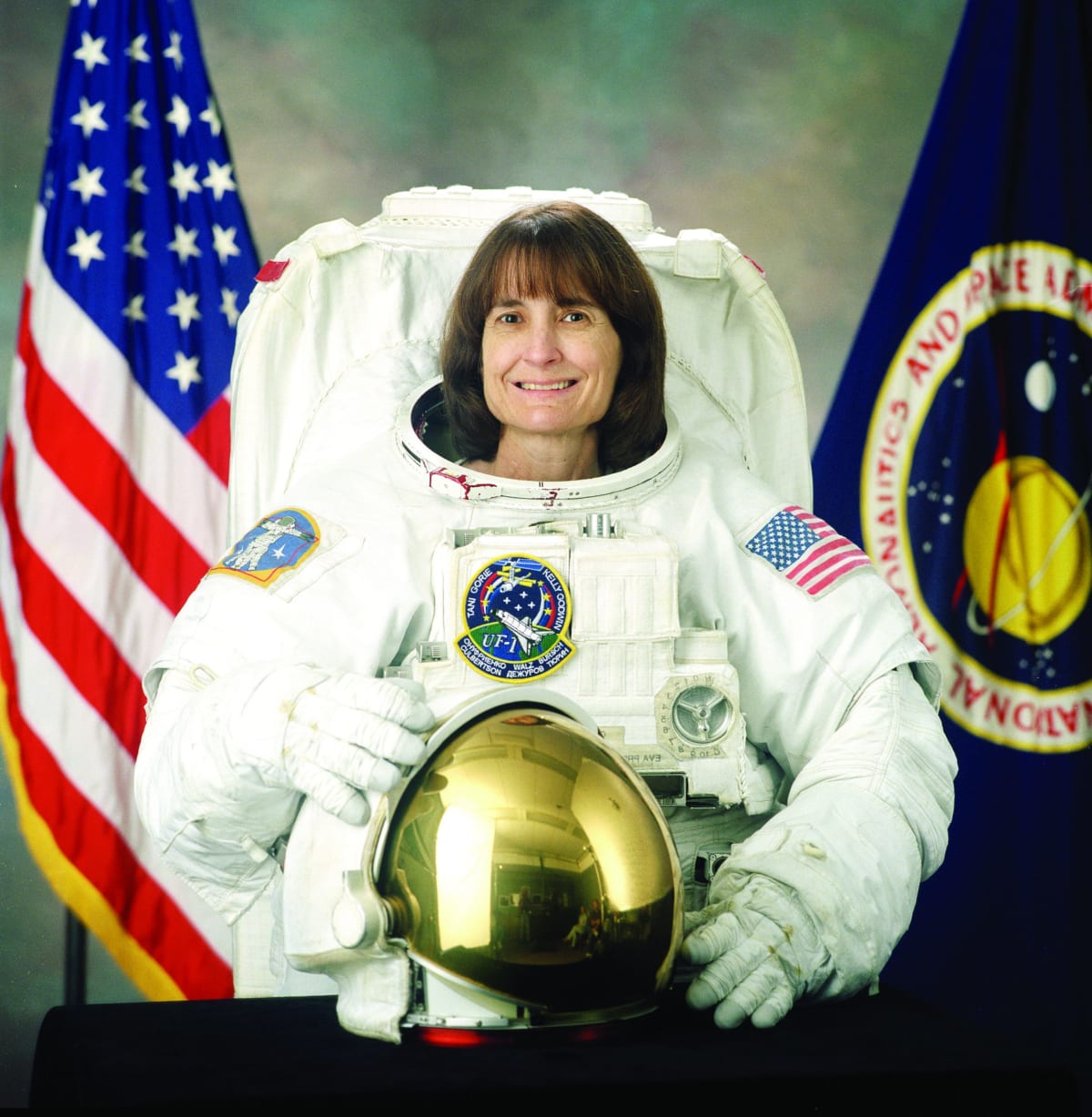
Former NASA astronaut Linda Godwin, who logged 38 days in space across four missions, says returning to the moon is essential preparation for Mars exploration. Her insights offer hope that America's space program is taking the smartest path forward.
A four-time space shuttle astronaut with decades of NASA experience believes the agency's moon-first approach is exactly what humanity needs to reach Mars safely.
Linda Godwin spent 38 days orbiting Earth and became the first woman to spacewalk outside two different space stations. Now a professor emeritus at the University of Missouri, she's watching NASA's Artemis program with optimism and hard-won wisdom.
"I've had people say 'just do the Mars thing and skip the moon,'" Godwin told SpaceNews. But she sees the lunar surface as humanity's essential training ground for the challenges ahead.
The moon's south pole offers incredible science opportunities and a chance to practice skills that will keep astronauts alive on Mars. Learning to live in lunar habitats, develop reliable power sources, and survive in an extreme environment are all lessons that could save lives on the much longer Mars journey.
Godwin particularly likes NASA Administrator Jared Isaacman's recent changes to Artemis, especially the plan to launch missions more frequently. Instead of waiting years between launches like the gap between Artemis 1 and Artemis 2, keeping a steady annual cadence will help teams stay sharp and solve problems faster.
She acknowledges China's growing lunar ambitions but focuses on the bigger picture. "I guess we should celebrate anybody from Earth getting to the moon," she said, though she admits she'd prefer America lands first.
The Bright Side
What shines through Godwin's perspective is how space exploration has evolved beyond pure competition. She wishes NASA would pursue the moon "for the science and exploration and not the competitiveness" that drove Apollo, even while recognizing that rivalry still matters.
Her fondness for the International Space Station reveals another triumph. "The building of the ISS is incredible, and all the different countries and all the different nationalities that have worked up there together," she said, calling international cooperation one of the station's biggest achievements.
That spirit of collaboration, combined with smarter planning and steady progress, suggests America's return to space is built on firmer ground than the sprint that got us there in 1969. This time, we're going to stay.
More Images


Based on reporting by SpaceNews
This story was written by BrightWire based on verified news reports.
Spread the positivity!
Share this good news with someone who needs it