NASA Volunteers Reframe Microbes as Space Health Heroes
A team of NASA volunteers just discovered that the microbes we usually fear might be essential allies for surviving in space. Their research reveals how biofilms could protect astronaut health and grow food on future deep space missions.
The tiny communities of bacteria living in your gut and on plant roots might hold the key to humanity's future among the stars.
NASA volunteers working with the Open Science Data Repository have completed a groundbreaking study showing how biofilms adapt to space environments. These microscopic communities, once viewed primarily as infection risks, actually play vital roles in human digestion, immunity, and helping plants absorb nutrients.
Dr. Katherine Baxter from the University of Glasgow and Dr. Nicholas Brereton from University College Dublin led the volunteer research team. They studied how the extreme conditions of spaceflight affect these beneficial microbe communities and their relationship with human and plant hosts.
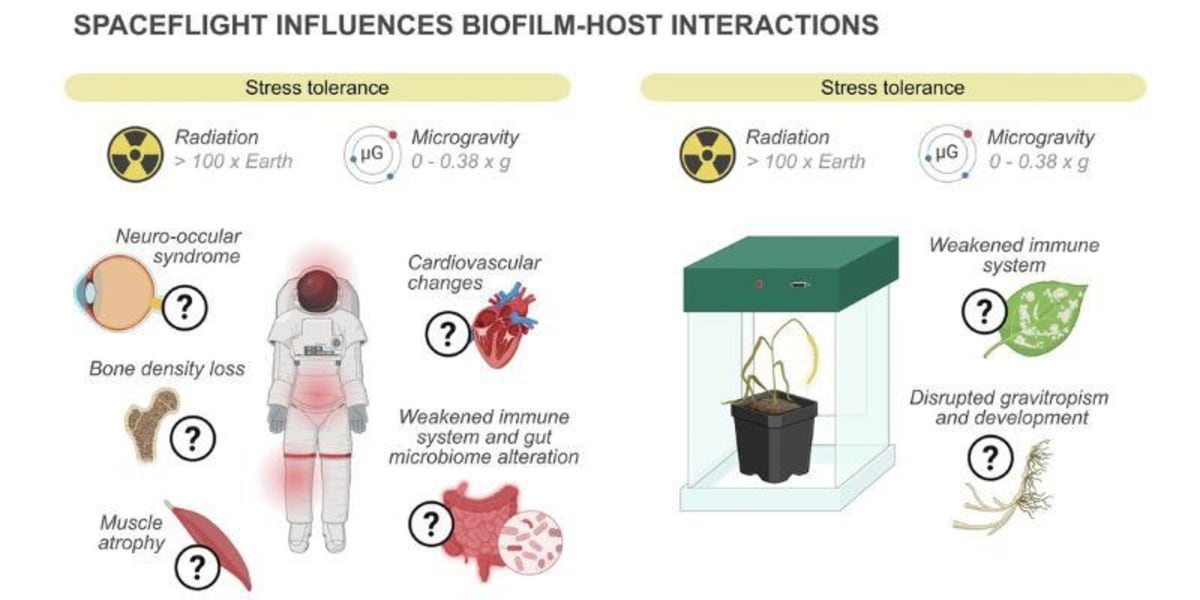
The findings matter because astronauts on long missions to Mars or beyond will need healthy gut bacteria to stay well. They'll also need to grow their own food in space, which requires plants with robust biofilms on their roots to absorb nutrients properly.
Spaceflight creates unique stresses that could disrupt these delicate microbial partnerships. Radiation, microgravity, and isolation all impact how biofilms form and function. Understanding these changes helps scientists prepare for missions that could last months or years.
The Ripple Effect
This volunteer-driven research represents a shift in how space agencies approach biological challenges. Rather than working in isolated labs, NASA now invites citizen scientists to collaborate on solving the mysteries of space survival.
The project demonstrates how everyday people with data science skills can contribute to humanity's greatest exploration challenge. These volunteers aren't just analyzing abstract data. They're helping design the biological systems that will keep future crews healthy on journeys to distant worlds.
Their work also benefits life on Earth. Better understanding of biofilms in extreme environments could improve treatments for digestive disorders, enhance agricultural practices, and develop new approaches to infection control.
NASA continues recruiting volunteers for its Analysis Working Groups. Anyone with a laptop and data science knowledge can join teams studying how terrestrial life adapts to space conditions. The collective insights from diverse perspectives accelerate discoveries that single research teams might take years to uncover.
This research shows that the smallest organisms might be humanity's most important traveling companions as we venture beyond Earth.
More Images

Based on reporting by NASA
This story was written by BrightWire based on verified news reports.
Spread the positivity!
Share this good news with someone who needs it