NASA Volunteers Use Sound to Discover Space Weather Anomaly
Citizen scientists listening to Earth's magnetic field translated into sound discovered an unexpected pattern in plasma waves that could help predict geomagnetic storms. One volunteer loved it so much they're switching their major to physics.
Imagine discovering a scientific mystery just by listening to recordings of space, and loving it so much you change your entire career path.
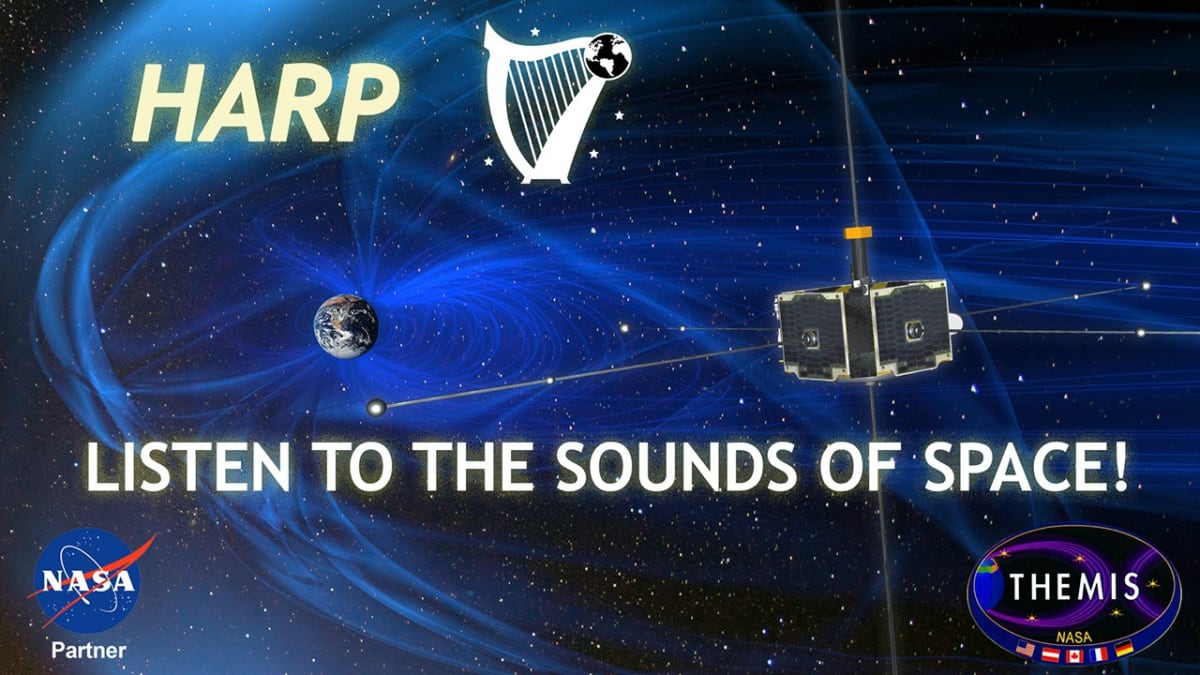
That's exactly what happened to volunteers in NASA's HARP project, who used their ears to catch something professional scientists missed. The team translated data from Earth's magnetic field into sound, turning our planet's invisible plasma cocoon into a kind of cosmic symphony.
The concept sounds wild, but it makes perfect sense. Scientists compare Earth's magnetic field to a giant harp floating in space, with plasma waves acting like vibrating strings. By converting magnetic field measurements into audio, the HARP team gave everyday volunteers a chance to study space weather in a completely new way.
The volunteers were listening for patterns in plasma waves, which play a crucial role in how solar activity affects our power grids. Scientists expected to hear lower pitches farther from Earth and higher pitches closer to our planet.
But when volunteers played back data from NASA's THEMIS mission, they noticed something nobody anticipated. Some plasma waves showed the exact opposite pattern, with lower pitches near Earth and higher pitches farther away.
This discovery will help scientists better understand geomagnetic storms, the space weather events that can disrupt our technology and electrical systems. The volunteers didn't just contribute data; they identified an anomaly that changes how researchers think about these cosmic phenomena.
Why This Inspires
One volunteer captured the magic perfectly: "I only signed up for this group because my friend was participating, but now I think I'm going to change my major to physics. This was just too cool."
That quote reveals something powerful about citizen science. When you invite people to participate in real research, you're not just collecting data. You're opening doors to wonder and showing people they have what it takes to make genuine scientific contributions.
The HARP project proves that groundbreaking discoveries don't always require advanced degrees or expensive equipment. Sometimes they just need fresh ears and curious minds willing to notice when something sounds different than expected.
The findings now appear in Frontiers in Astronomy and Space Sciences, with the volunteers credited as essential contributors.
Together, these citizen scientists helped unlock mysteries in the space around our planet, one unexpected sound at a time.
More Images



Based on reporting by Google: NASA discovery
This story was written by BrightWire based on verified news reports.
Spread the positivity!
Share this good news with someone who needs it

%2Fhttps%3A%2F%2Ftf-cmsv2-smithsonianmag-media.s3.amazonaws.com%2Ffiler_public%2F58%2F0a%2F580a77b9-7590-43c5-b70d-e3a590810348%2Fsmithmag-rockwell-edit.jpg)