NASA Wing Tech Could Cut Jet Fuel Costs by 10%
NASA just tested a wing design that could save airlines millions per plane annually while slashing fuel use and emissions. The breakthrough makes air travel more efficient without requiring new aircraft.
Airlines could soon fly greener and cheaper thanks to a wing design NASA just tested in the California desert.
On January 12, researchers at NASA's Armstrong Flight Research Center successfully tested a scale model of technology that could reduce fuel consumption on large commercial jets by up to 10%. For a single Boeing 777, that could mean millions of dollars saved each year.
The secret lies in how air flows over a wing's surface. Most aircraft experience turbulent airflow that creates friction and drag, guzzling extra fuel. NASA's Crossflow Attenuated Natural Laminar Flow design keeps air moving smoothly for longer, reducing that friction and letting planes glide more efficiently through the sky.
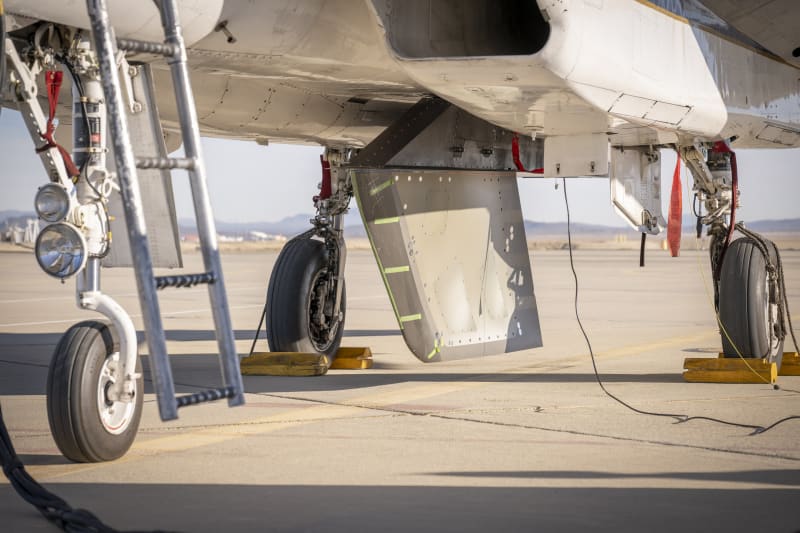
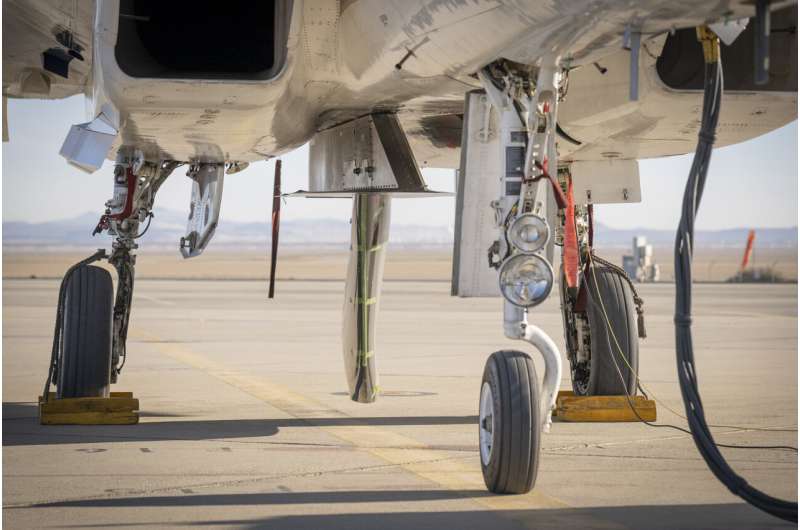
The test involved a three-foot model shaped like a fin, mounted under an F-15 research jet. The setup reached speeds of 144 mph, proving the design works in real-world conditions.
"Even small improvements in efficiency can add up to significant reductions in fuel burn and emissions for commercial airlines," said Mike Frederick, the project's lead investigator at NASA Armstrong.
The technology tackles a problem that has limited previous efficiency attempts. Large swept wings, like those on most commercial jets, naturally create crossflow patterns that disrupt smooth airflow. NASA's design extends laminar flow despite these patterns, unlocking efficiency gains that weren't possible before.
The team first confirmed the concept worked in a 2018 wind tunnel test at NASA's Langley Research Center in Virginia. The recent high-speed taxi test marks the first time researchers tested it on an actual aircraft at speed.
The Ripple Effect
Commercial air travel has grown steadily over the past two decades, and passenger numbers are expected to double in the next 20 years according to the International Civil Aviation Organization. That means more planes in the sky burning more fuel unless technology catches up.
This wing design offers airlines a path to cut costs without buying new planes. The technology could potentially be applied to existing aircraft designs, making cleaner air travel accessible sooner.
NASA's approach also keeps research costs manageable. By mounting the model on an existing F-15 testbed rather than building a dedicated test aircraft or replacing an entire wing, researchers can answer crucial questions while preserving taxpayer dollars for further development.
The next steps involve additional flight tests to gather more data on how the design performs across different conditions. If successful, the technology could reshape how we think about aircraft efficiency for decades to come.
Cleaner skies and lower costs might both be taking flight.
More Images



Based on reporting by Phys.org - Technology
This story was written by BrightWire based on verified news reports.
Spread the positivity!
Share this good news with someone who needs it