NASA Wing Test Could Cut Airline Fuel Costs 10%
NASA just successfully tested a revolutionary wing design that could save airlines millions per plane each year while dramatically reducing emissions. The breakthrough technology makes air flow smoother over wings, cutting fuel consumption on flights worldwide.
Imagine if every commercial airplane could fly 10% more efficiently starting tomorrow. NASA just moved that dream closer to reality with a successful test that could transform air travel.
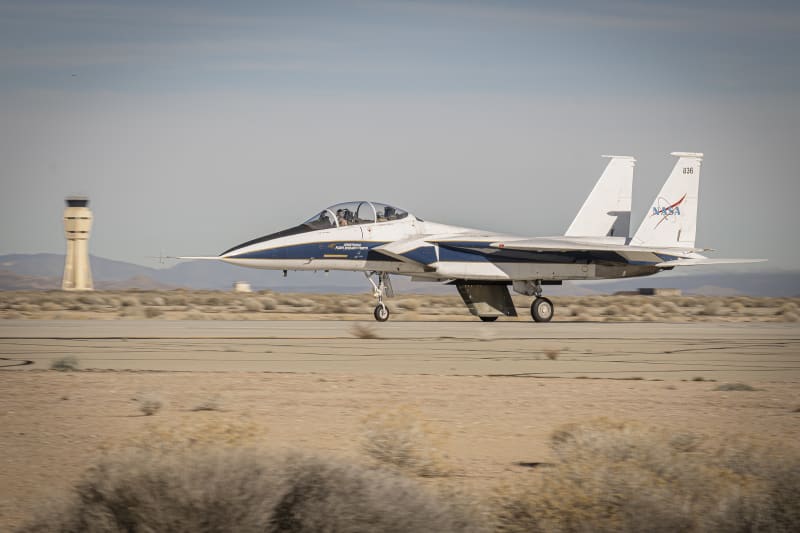
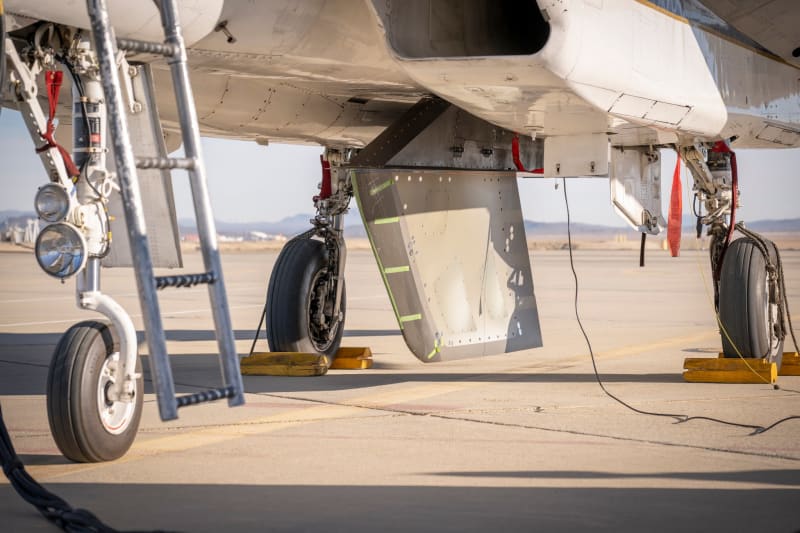
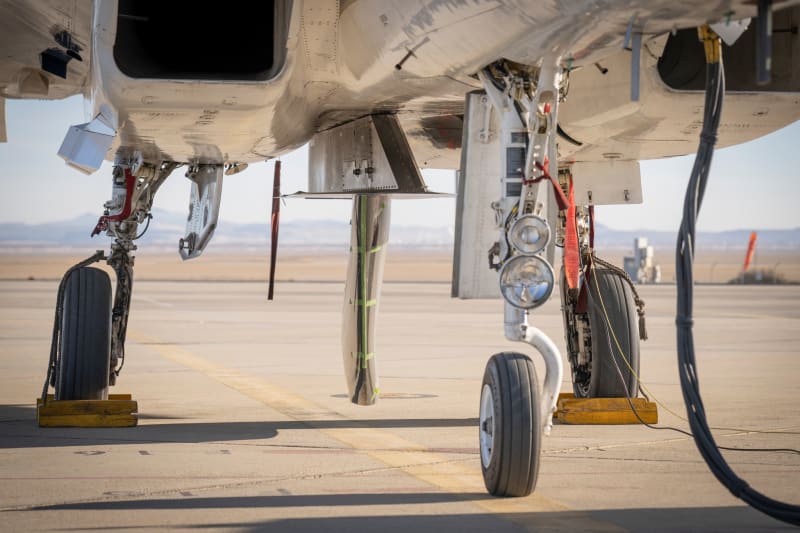
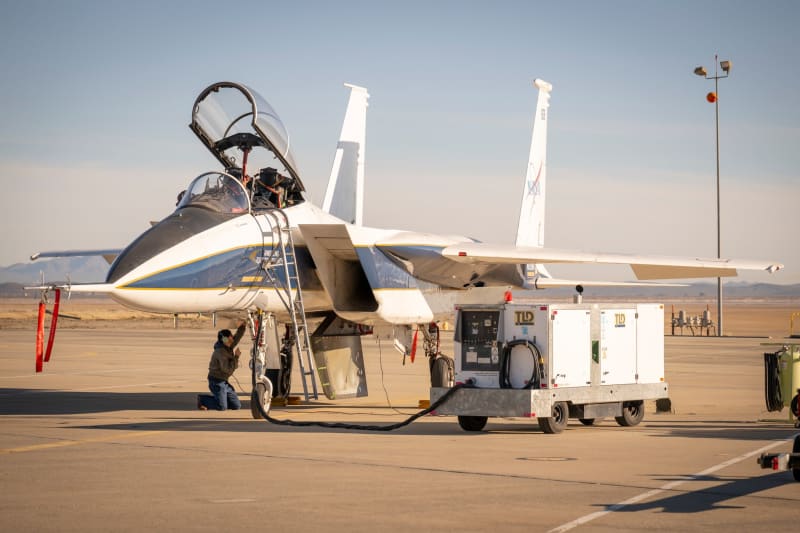
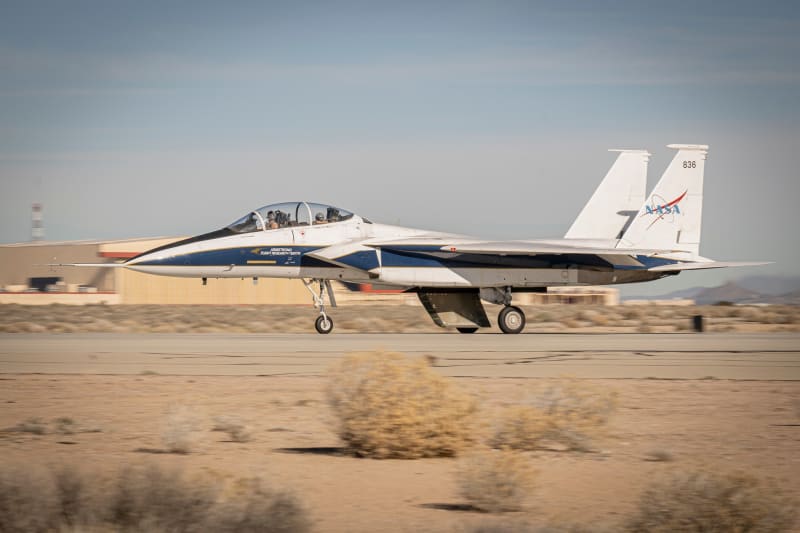
On January 12, researchers at NASA's Armstrong Flight Research Center hit 144 mph during a high-speed taxi test of a radical new wing design. The three-foot model, mounted under an F-15 jet like a vertical fin, doesn't look like much. But it represents years of research into making airplane wings work better with the air around them.
The technology is called Crossflow Attenuated Natural Laminar Flow, or CATNLF. It tackles one of aviation's oldest problems: drag, the invisible force that slows planes down and guzzles fuel.
Here's how it works. When planes fly, a thin layer of air clings to the wing's surface. On most aircraft, that air gets turbulent and chaotic, creating friction that wastes fuel. CATNLF keeps that air flowing smoothly for longer, reducing drag and fuel burn.
The potential savings are staggering. A NASA study estimated that putting this wing design on a Boeing 777 could save 10% of fuel annually. For context, that could mean millions of dollars per aircraft every year, multiplied across entire fleets.
"Even small improvements in efficiency can add up to significant reductions in fuel burn and emissions for commercial airlines," said Mike Frederick, the project's principal investigator.
The breakthrough came after solving a tricky problem. Large swept wings, the kind you see on nearly every passenger jet, naturally create something called crossflow that disrupts smooth airflow. In 2018, NASA proved in wind tunnel tests that CATNLF could overcome this challenge. Now they're testing it at real-world speeds.
The Ripple Effect
This isn't just about cheaper tickets. Commercial air travel has doubled in the past 20 years and is expected to double again in the next two decades. More flights mean more fuel burned and more emissions released.
A 10% efficiency gain across the global fleet would dramatically reduce aviation's environmental footprint. Airlines would save billions while passengers continue connecting with loved ones and exploring the world.
The F-15 testing approach keeps costs reasonable compared to building an entirely new demonstration aircraft. It lets researchers answer fundamental questions about the technology before airlines commit to redesigning their fleets.
The January test marks just the first milestone, with flight tests coming next.
Every innovation in aviation history started with someone asking if there's a better way to fly.
More Images
Based on reporting by NASA
This story was written by BrightWire based on verified news reports.
Spread the positivity!
Share this good news with someone who needs it

%2Fhttps%3A%2F%2Ftf-cmsv2-smithsonianmag-media.s3.amazonaws.com%2Ffiler_public%2F1a%2F72%2F1a72d8cc-970c-48cf-83f6-b16e605ff5c0%2Flow-res_f26-plastic-cookies-hr.jpg)