Nasal Spray Reverses Brain Aging in Breakthrough Study
Scientists developed a simple nasal spray that reversed brain inflammation and restored memory in just two doses. The therapy worked for weeks after treatment and could reshape how we age.
For decades, scientists believed brain fog and memory decline were just part of getting older. A groundbreaking study from Texas A&M University just proved them wrong.
Researchers developed a nasal spray that reverses the slow-burning inflammation responsible for brain aging. With just two doses, the therapy dramatically reduced inflammation, recharged brain cells, and restored sharp memory in aging test subjects.
The results happened fast. Within weeks of treatment, cognitive improvements appeared and lasted for months afterward.
Dr. Ashok Shetty, who led the study at Texas A&M's College of Medicine, calls the underlying problem "neuroinflammaging." Think of it like tiny fires smoldering in your brain's memory center, creating persistent fog that makes thinking harder and increases Alzheimer's risk.
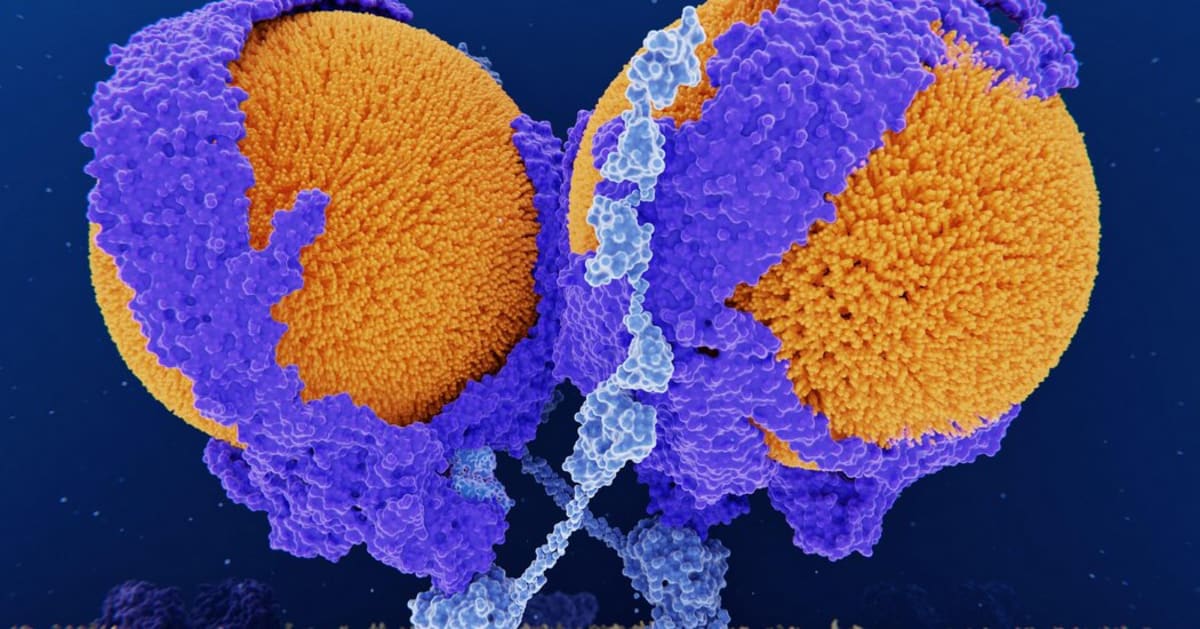
The nasal spray delivers microscopic packages called extracellular vesicles directly into brain tissue. These tiny vehicles carry genetic material that acts like master switches, turning down inflammatory systems and recharging the cellular power plants inside neurons.
No brain surgery required. No daily pills for months. Just two doses through the nose.
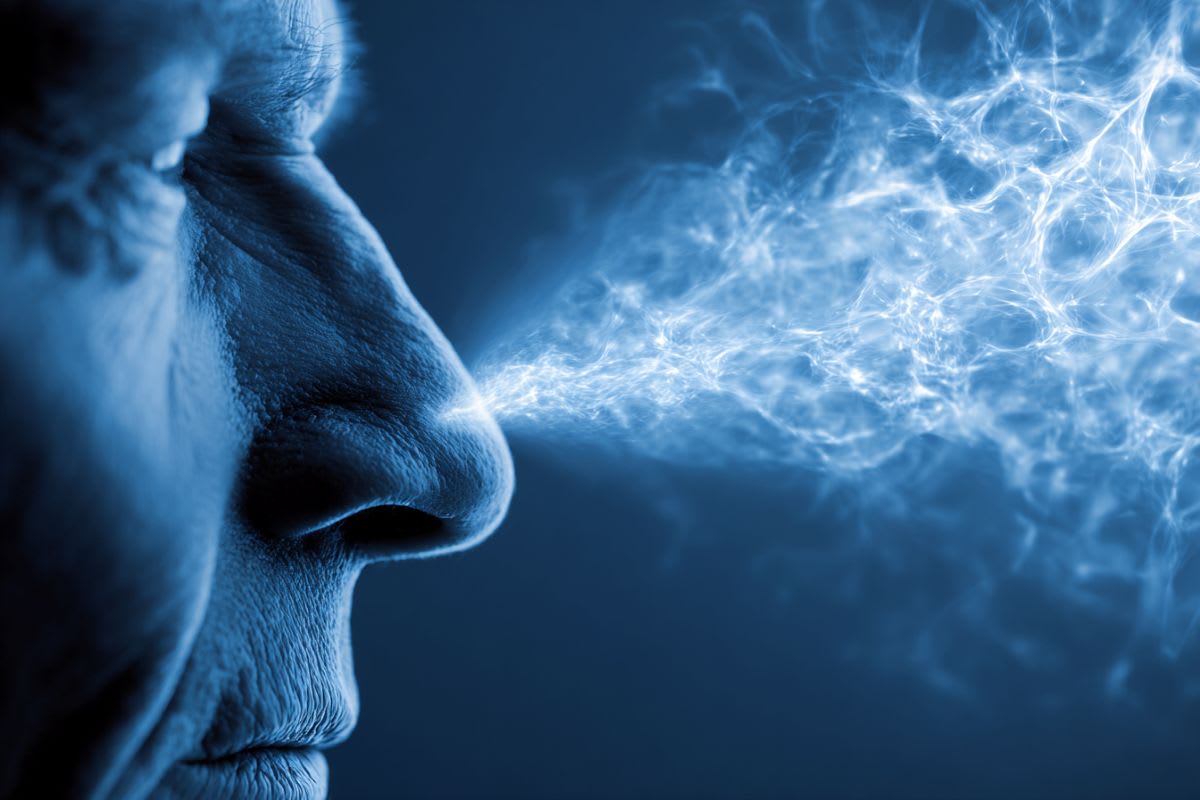
The delivery method makes all the difference. The spray bypasses the brain's protective barrier and travels straight to where it's needed, without invasive procedures.
Behavioral tests showed remarkable changes. Treated subjects could recognize familiar objects again and adapt to new environments, key signs of healthy memory function.
The Ripple Effect
The implications stretch far beyond individual patients. Dementia cases in the United States are expected to double by 2060, jumping from 514,000 new cases in 2020 to about one million annually.
The therapy worked equally well in both males and females, a rare outcome in medical research. This universal effectiveness means more people could benefit once it reaches clinical trials.
Texas A&M has already filed a U.S. patent for the therapy, signaling serious momentum toward real-world application. The research team believes the approach could eventually help stroke survivors rebuild lost brain function or slow cognitive decline in humans.
The study, published in the Journal of Extracellular Vesicles, represents a fundamental shift in thinking about brain aging. "What we're showing is brain aging can be reversed," Shetty said.
Instead of accepting mental decline as inevitable, the research points toward a future where people stay sharp, engaged, and connected throughout their lives.
The goal isn't just living longer but living smarter and healthier, with minds that stay clear and memories that stick around.
More Images


Based on reporting by Google News - Science
This story was written by BrightWire based on verified news reports.
Spread the positivity!
Share this good news with someone who needs it