Nasal Spray Reverses Brain Aging in Texas Study
Texas A&M scientists developed a nasal spray that reversed brain aging and restored memory after just two doses. The breakthrough could transform how we treat dementia and age-related cognitive decline.
Scientists at Texas A&M University just achieved something many thought impossible: they reversed brain aging using a simple nasal spray.
The experimental treatment restored memory, reduced chronic inflammation, and improved brain cell function in just two doses. Even better, the effects lasted for months.
Dr. Ashok Shetty, who led the research team, believes this could change everything about how we approach aging brains. "What we're showing is brain aging can be reversed, to help people stay mentally sharp, socially engaged and free from age-related decline," he said.
The therapy works by targeting chronic inflammation in the brain, a process scientists call "neuroinflammaging." This persistent inflammation interferes with memory and thinking as we age. It's also considered a major contributor to dementia and Alzheimer's disease.
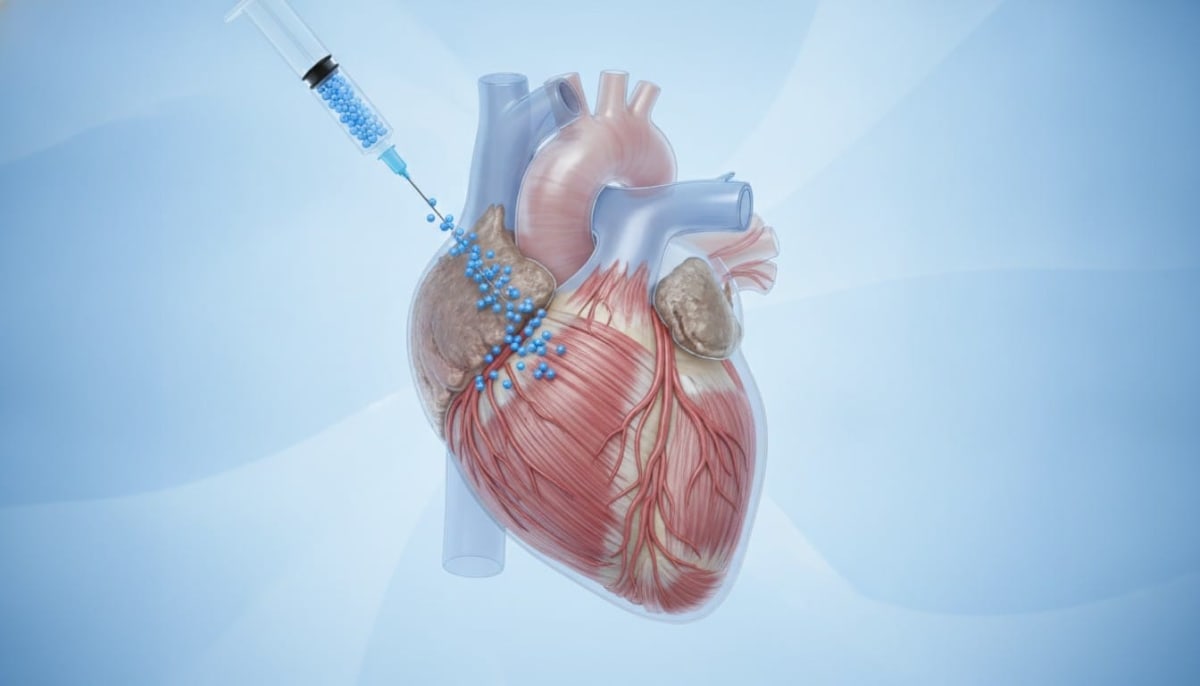
The nasal spray delivers tiny biological particles loaded with microRNAs directly into brain tissue. These molecules act like master regulators, helping control important biological processes.
Dr. Madhu Leelavathi Narayana, a senior research scientist on the team, explained that the treatment suppresses inflammatory systems strongly linked to brain aging. "MicroRNAs help modulate and regulate many gene and signaling pathways in the brain," she said.
The therapy does something even more remarkable than reducing inflammation. It restores activity in mitochondria, the structures inside cells that produce energy.
When mitochondria get damaged by aging and inflammation, brain cells become less efficient. By reviving these cellular power plants, the treatment helps neurons process and store information again.
Treated subjects performed significantly better on memory and recognition tasks. They were more successful at identifying familiar objects, recognizing new ones, and detecting changes in their surroundings.
Why This Inspires
This research offers real hope as dementia cases rise dramatically. Annual cases in the United States are expected to nearly double from 514,000 in 2020 to around 1 million by 2060.
The treatment worked equally well across both sexes, which is relatively uncommon in biomedical research. "It's universal," Shetty noted.
Dr. Maheedhar Kodali, another senior research scientist, highlighted the delivery method as particularly exciting. "Intranasal delivery allows us to reach and treat the brain directly without invasive procedures," he said.
The team has already filed a U.S. patent for the therapy. In the future, it could help stroke patients recover brain function or slow cognitive decline linked to aging.
The findings were published in the Journal of Extracellular Vesicles and supported by the National Institute on Aging.
Shetty's vision captures what makes this breakthrough so powerful: "We're aiming for successful brain aging: keeping people engaged, alert and connected."
Based on reporting by Health Daily
This story was written by BrightWire based on verified news reports.
Spread the positivity!
Share this good news with someone who needs it