Nasal Spray Vaccine Blocks Bird Flu Before It Spreads
Scientists developed a nasal spray that stops H5N1 bird flu in the nose and lungs, outperforming traditional shots in animal tests. The breakthrough could prevent future pandemics by blocking infection where it starts.
A new nasal spray vaccine stops bird flu infections before they can take hold, offering hope as scientists race to prevent the next pandemic.
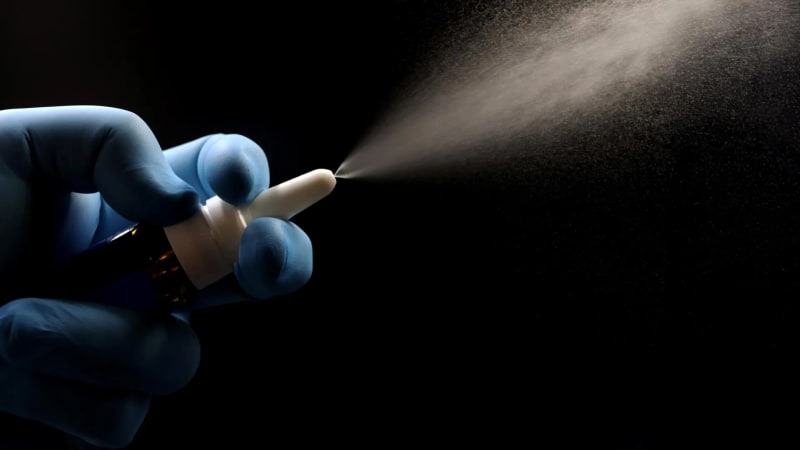
Researchers at Washington University School of Medicine in St. Louis created a vaccine that's delivered through the nose instead of an injection. When tested in hamsters and mice, it provided near-complete protection against H5N1 bird flu, even outperforming the same vaccine given as a traditional shot.
The timing matters. Since bird flu jumped into dairy cows in the United States, more than 70 human cases have been reported since 2022, including two deaths. The virus continues spreading among animals, giving it more chances to adapt in ways that could allow easy transmission between people.
"This particular version of bird flu has been around for some time, but the unique and totally unexpected event where it jumped across species into dairy cows in the United States was a clear sign that we should prepare," said Dr. Jacco Boon, a professor at WashU Medicine and study co-author. The findings appeared Jan. 30 in Cell Reports Medicine.
The nasal delivery makes all the difference. By targeting the nose and upper airways directly, the vaccine creates strong immune responses exactly where respiratory viruses first try to enter the body. Traditional flu shots offer little protection against bird flu, and they don't stop infection in the nose and lungs as effectively.
The vaccine uses technology already proven safe. A COVID-19 vaccine built on the same platform has been available in India since 2022 and received approval for U.S. clinical testing last year. The delivery system uses a harmless adenovirus to carry specially engineered proteins from H5N1 strains known to infect humans.
Researchers solved another critical challenge. Sometimes immunity from previous flu infections or vaccinations weakens responses to new flu vaccines. The nasal spray remained highly effective even in animals with existing flu immunity, working well at low doses even after high virus exposure.
The Ripple Effect
Stopping respiratory infections at their source could change how we fight pandemics. By preventing the virus from establishing itself in the nose and lungs, the vaccine doesn't just protect individuals from severe illness. It breaks the cycle of transmission, making it harder for the virus to spread from person to person.
"Delivering vaccine directly to the upper airway where you most need protection from respiratory infection could disrupt the cycle of infection and transmission," said Dr. Michael Diamond, study co-senior author. "That's crucial to slowing the spread of infection for H5N1 as well as other flu strains and respiratory infections."
The approach could extend beyond bird flu to protect against multiple respiratory threats in the future.
Based on reporting by Health Daily
This story was written by BrightWire based on verified news reports.
Spread the positivity!
Share this good news with someone who needs it