Nasal TB Vaccine Shows Promise in Johns Hopkins Study
Scientists at Johns Hopkins developed a nose-delivered vaccine that helps the body fight tuberculosis, the world's deadliest infectious disease. Early tests show it could shorten treatment times and prevent drug-resistant strains.
A breakthrough nasal vaccine could change how we fight tuberculosis, which kills more people worldwide than any other infectious disease.
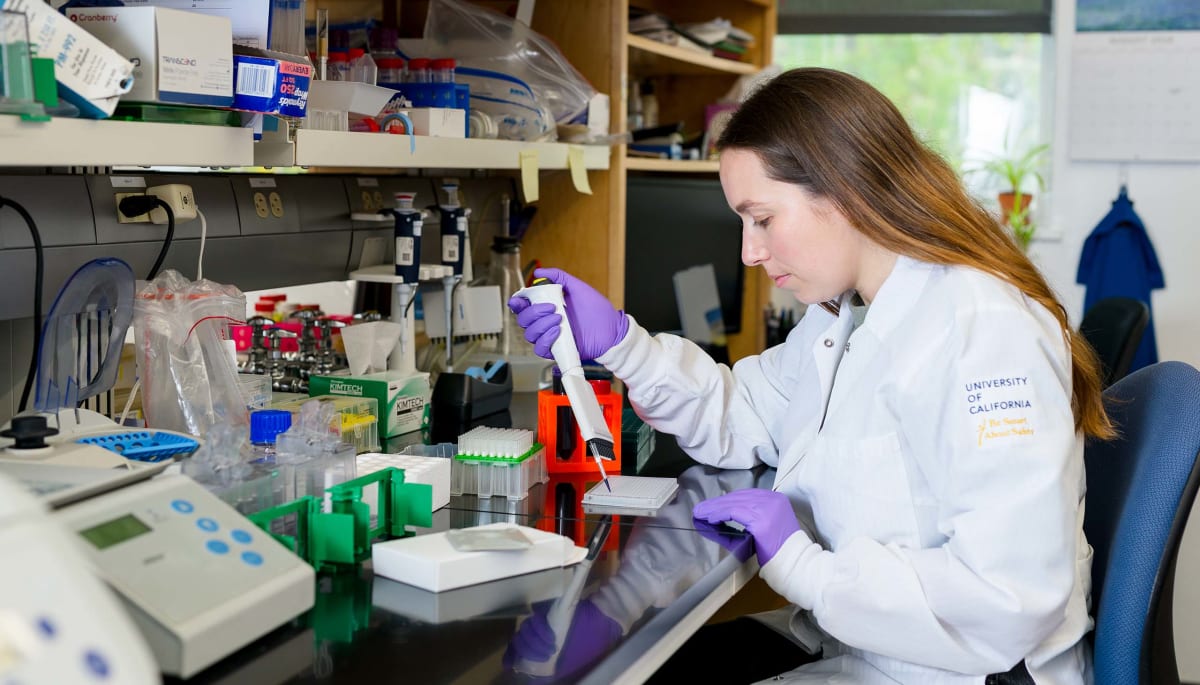
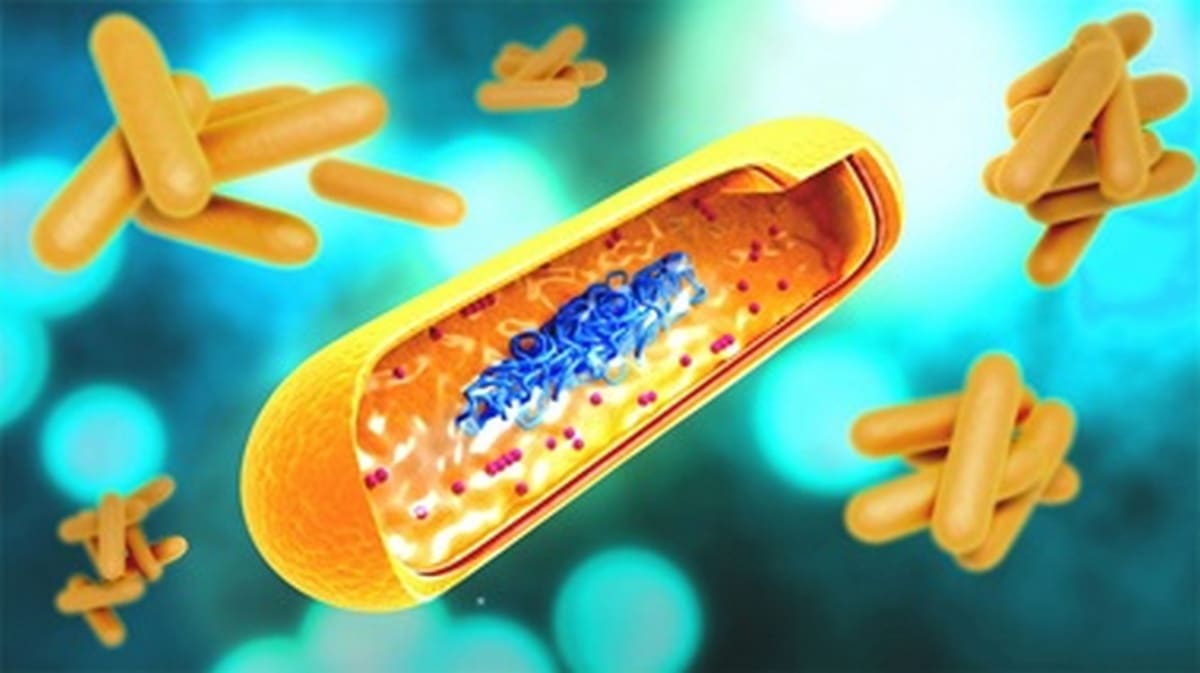
Researchers at Johns Hopkins Medicine created a vaccine delivered through the nose that helps the immune system target TB bacteria that hide from antibiotics. The approach combines two genes to train the body to attack the disease right where it starts: in the lungs and airways.
TB affects about 2 billion people globally, most of whom carry the bacteria without symptoms but can still spread it. The World Health Organization has called for new vaccines that work alongside existing drugs because current treatments take months to complete, and many TB strains now resist antibiotics.
The new vaccine fuses a TB bacterial gene called relMtb with another gene that attracts immune cells. When delivered through the nose, it creates a powerful defense directly in the respiratory system where TB infection happens. Think of it as training security guards to stand watch exactly where intruders try to enter.
In mouse studies, animals that received the vaccine alongside standard TB drugs cleared the infection faster, had less lung inflammation, and didn't relapse after treatment ended. The vaccine even boosted the effectiveness of powerful drugs used against drug-resistant TB.
The team also tested the vaccine in rhesus macaques, primates whose immune systems closely resemble ours. These animals showed strong TB-fighting immune responses in both their blood and airways that lasted at least six months. This durability matters because it suggests long-term protection.
Why This Inspires
This research represents a fundamental shift in how we approach TB treatment. Instead of relying only on antibiotics to kill active bacteria, the vaccine helps the immune system hunt down hiding survivors that would otherwise cause relapse or spread to others.
Dr. Styliani Karanika, the study's lead author, emphasized that DNA vaccines are stable and relatively easy to manufacture. That practical advantage could make a huge difference in the communities hit hardest by TB, many of which lack access to expensive or complex treatments.
The nose-delivery method offers another advantage: it's needle-free and targets protection exactly where TB transmission occurs. This could improve vaccination rates and effectiveness compared to traditional shots.
The research team is now working on additional preclinical studies before moving to human trials. If successful in people, this vaccine could help end TB's reign as the world's top infectious killer.
More Images
Based on reporting by Good News Network
This story was written by BrightWire based on verified news reports.
Spread the positivity!
Share this good news with someone who needs it