NASA's 777 Becomes Largest Flying Science Lab
NASA just brought home a transformed Boeing 777 that will become the largest airborne research laboratory ever built. The plane will carry up to 100 scientists and 75,000 pounds of equipment on 18-hour missions to protect our planet.
NASA's newest flying laboratory just landed in Virginia, and it's about to revolutionize how we study Earth from the sky.
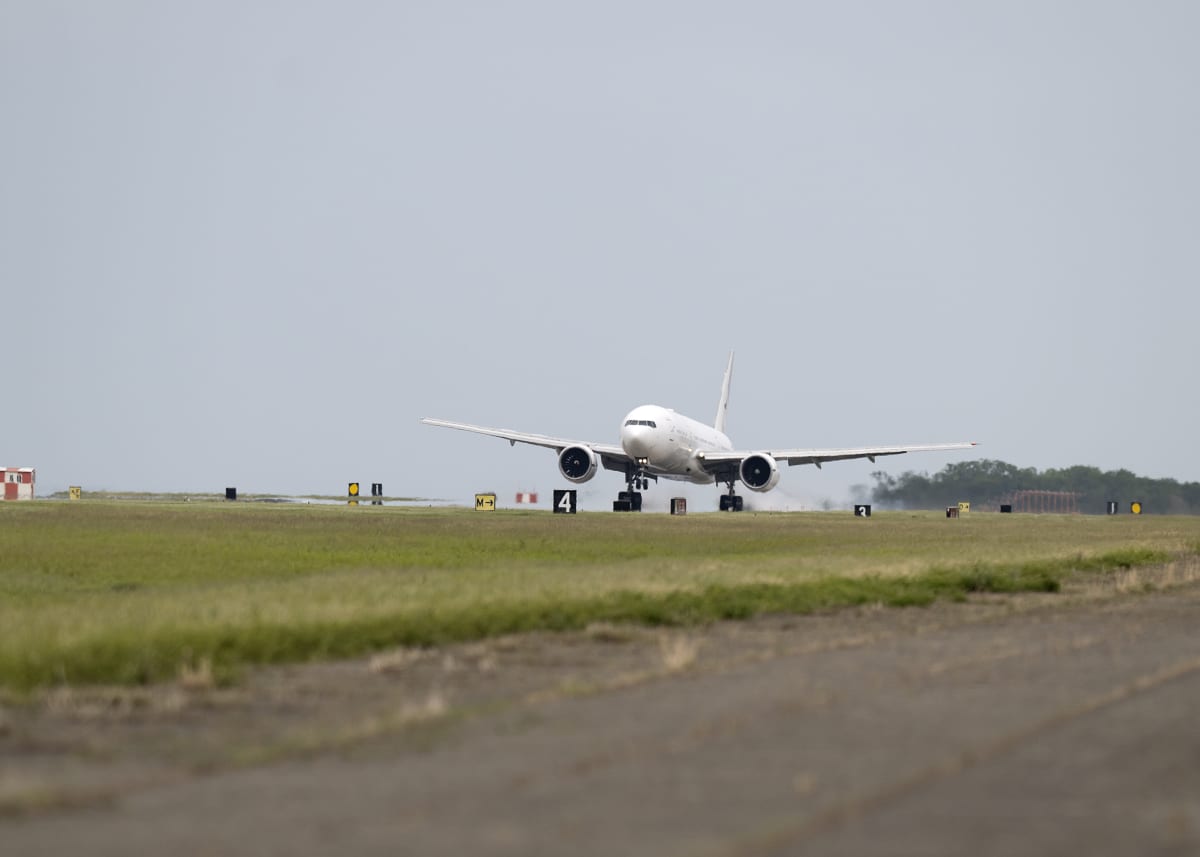
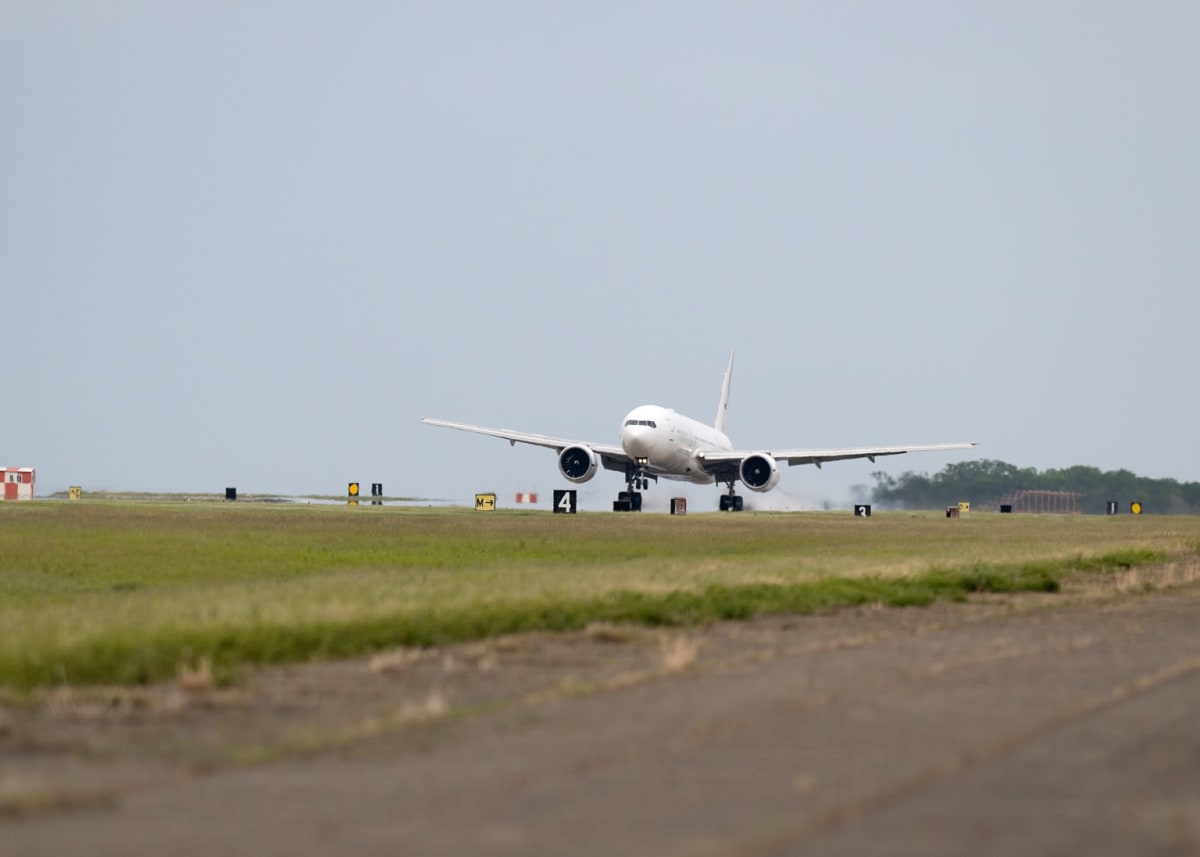
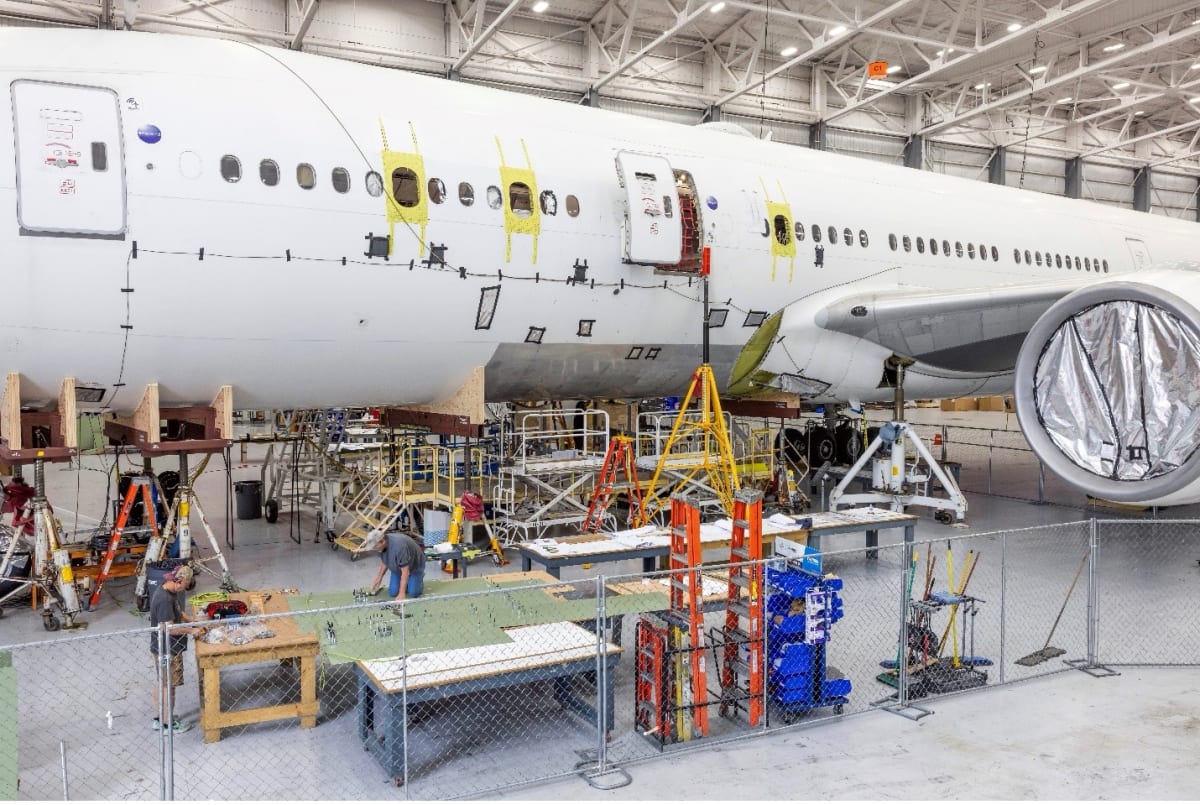
The space agency's Boeing 777 returned to Langley Research Center on April 22 after 15 months of major upgrades in Texas. What was once a passenger plane is now a massive airborne science lab, ready to help researchers understand everything from winter storms to climate patterns.
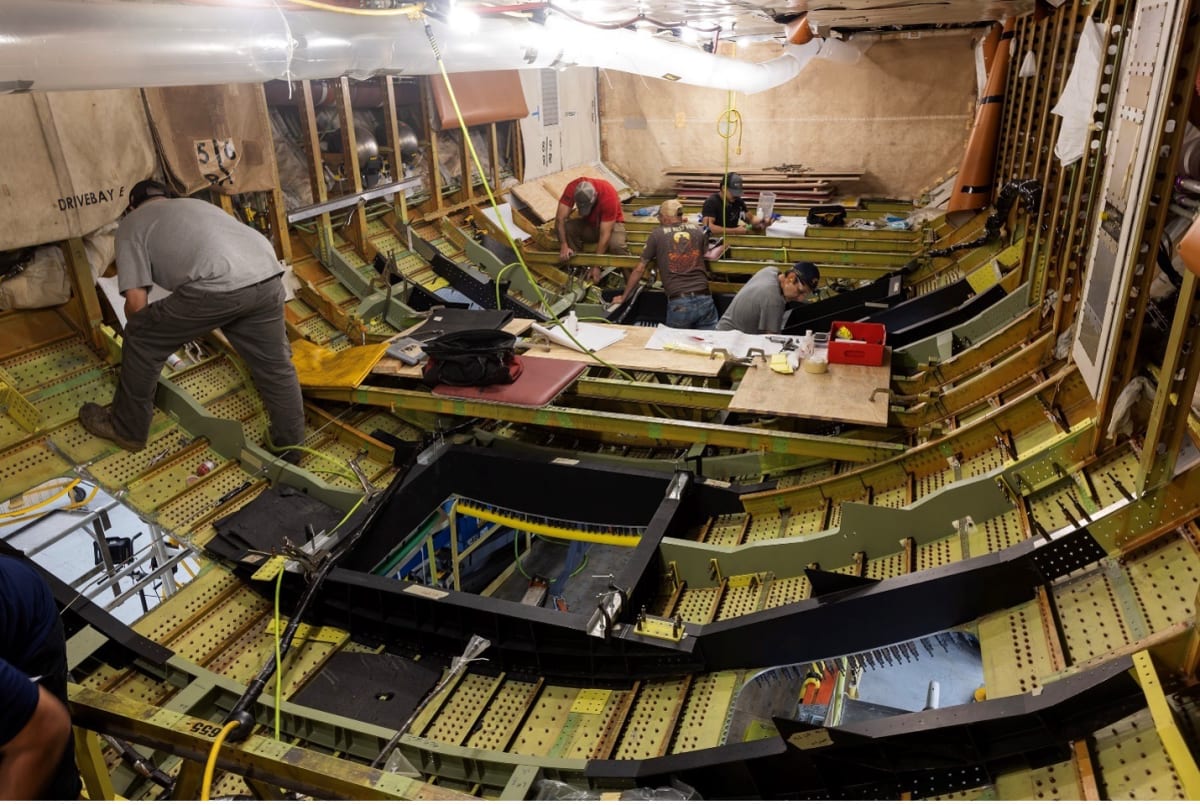
The transformation is impressive. Engineers installed specialized research stations throughout the cabin and ran extensive wiring so instruments can communicate during flights. They enlarged windows and cut open portals in the belly of the aircraft to mount advanced sensors like lidar and infrared imaging tools.
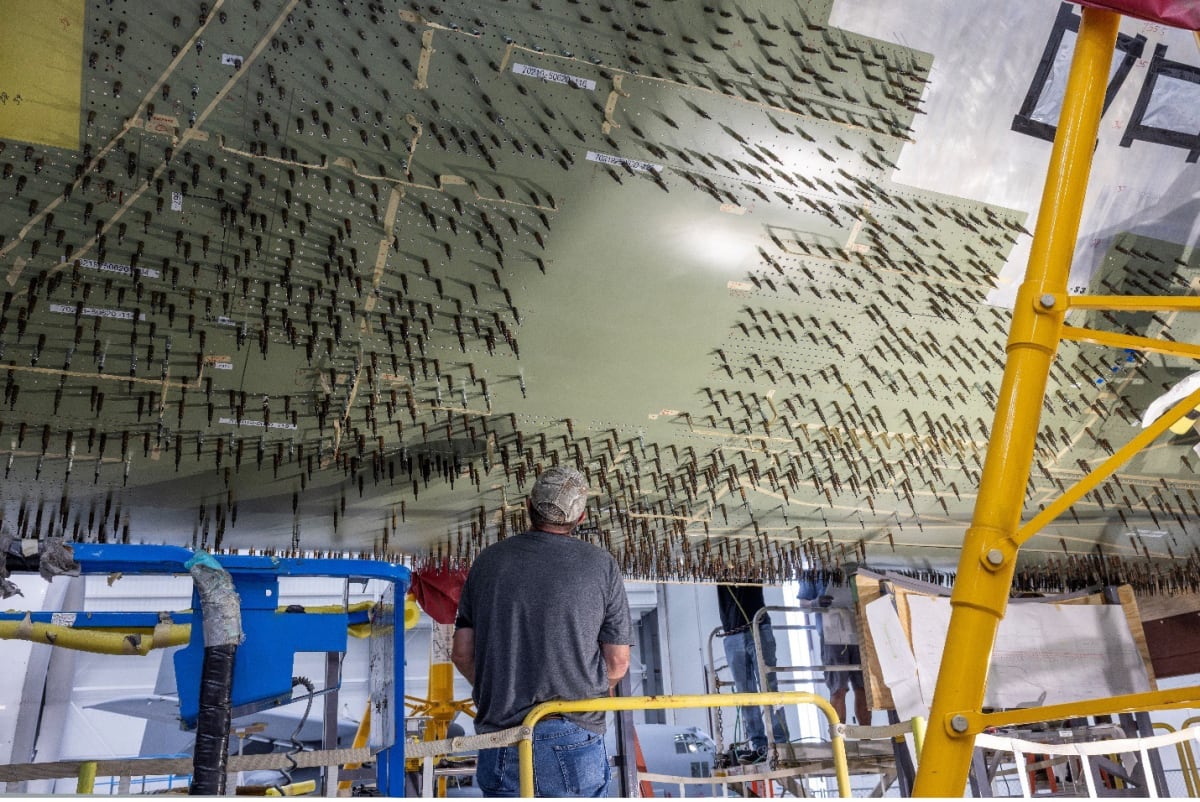
The team drilled nearly 35,000 precision holes through four layers of reinforcement on the plane's underside. Every modification serves a purpose: collecting better data to improve life on Earth.
"The 777 will be the largest airborne research laboratory in our fleet, collecting data to improve life on our home planet," said Derek Rutovic, program manager for NASA's Airborne Science Program.
The aircraft replaces NASA's retired DC-8, which served Earth science for nearly 40 years. The new plane is significantly more powerful. It can carry 50 to 100 scientists and operators, haul 75,000 pounds of equipment, and stay airborne for up to 18 hours.
Kirsten Boogaard, the 777 program manager, worked on the DC-8 team and saw its impact firsthand. "The 777 gives us the ability to bring together more partners, more educational opportunities, and more instruments," she said. "That will make a real difference in the data we collect moving forward."
The Ripple Effect
The plane's first mission launches in January 2027. Scientists will study dangerous winter weather events like severe cold air outbreaks, ice storms, and hazardous seas across North America, Europe, Greenland, and the Arctic and North Atlantic Oceans.
The mission, called NURTURE, will gather detailed atmospheric observations across this vast region. The data will help forecasters better predict severe weather, potentially saving lives and preventing damage.
Beyond weather prediction, the 777 will tackle bigger questions about Earth's climate and atmosphere. More instruments means more partnerships with universities and research institutions. More educational opportunities means training the next generation of climate scientists.
L3Harris Technologies and several NASA partners completed the major structural work. Research stations and wiring upgrades are ongoing as the team prepares for that first flight.
Our largest flying science lab is ready to take wing and bring back answers we need.
More Images
Based on reporting by NASA
This story was written by BrightWire based on verified news reports.
Spread the positivity!
Share this good news with someone who needs it