NASA's Animated Glacier Looks Like a Beating Heart
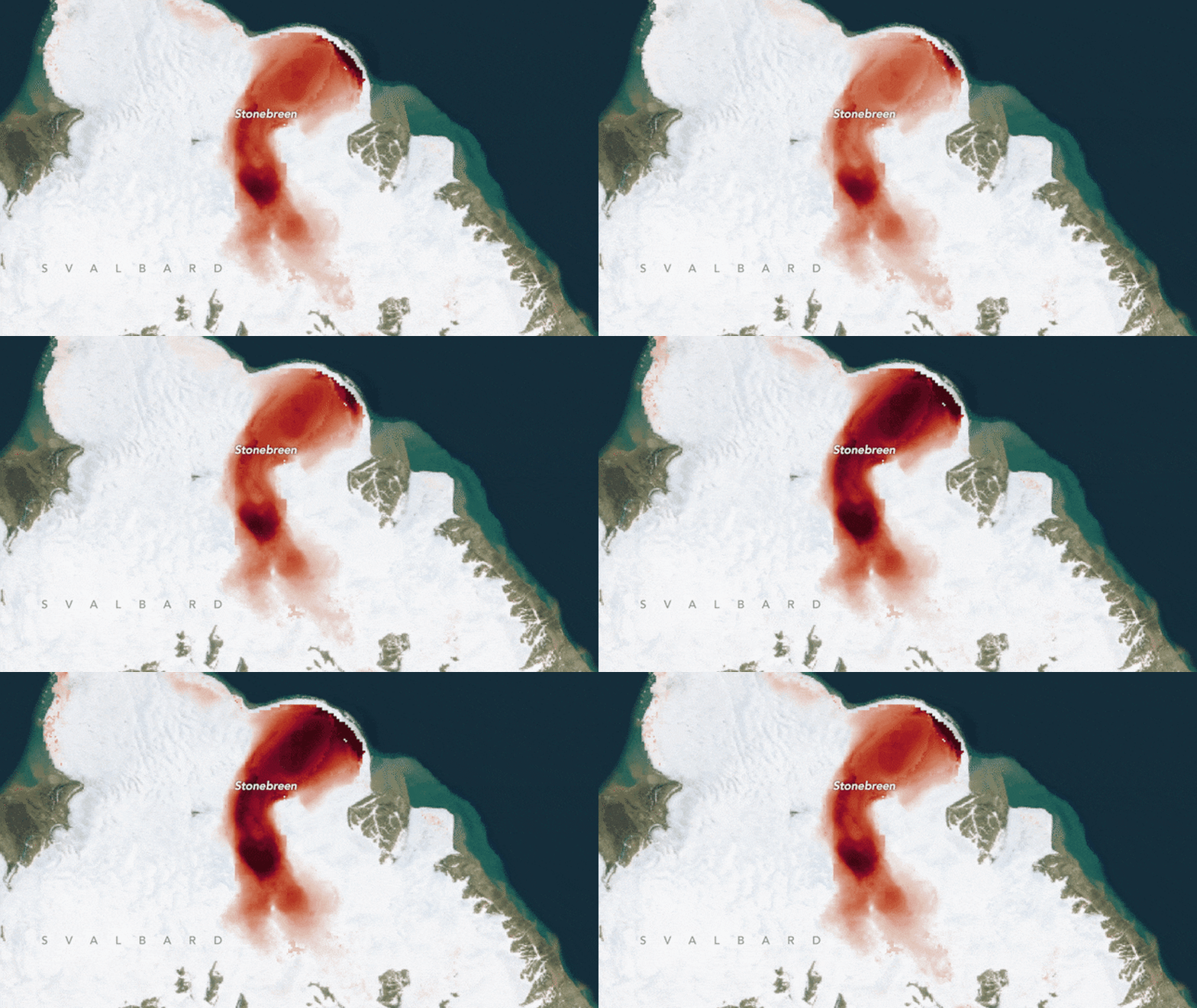
NASA scientists turned eight years of glacier data into a mesmerizing animation that shows ice flowing like a living heartbeat. The visualization reveals how Norway's Stonebreen glacier naturally speeds up and slows down with the seasons.
A remote glacier in Norway's Arctic has given scientists an unexpected gift: a natural rhythm that looks exactly like a heartbeat when mapped from space.
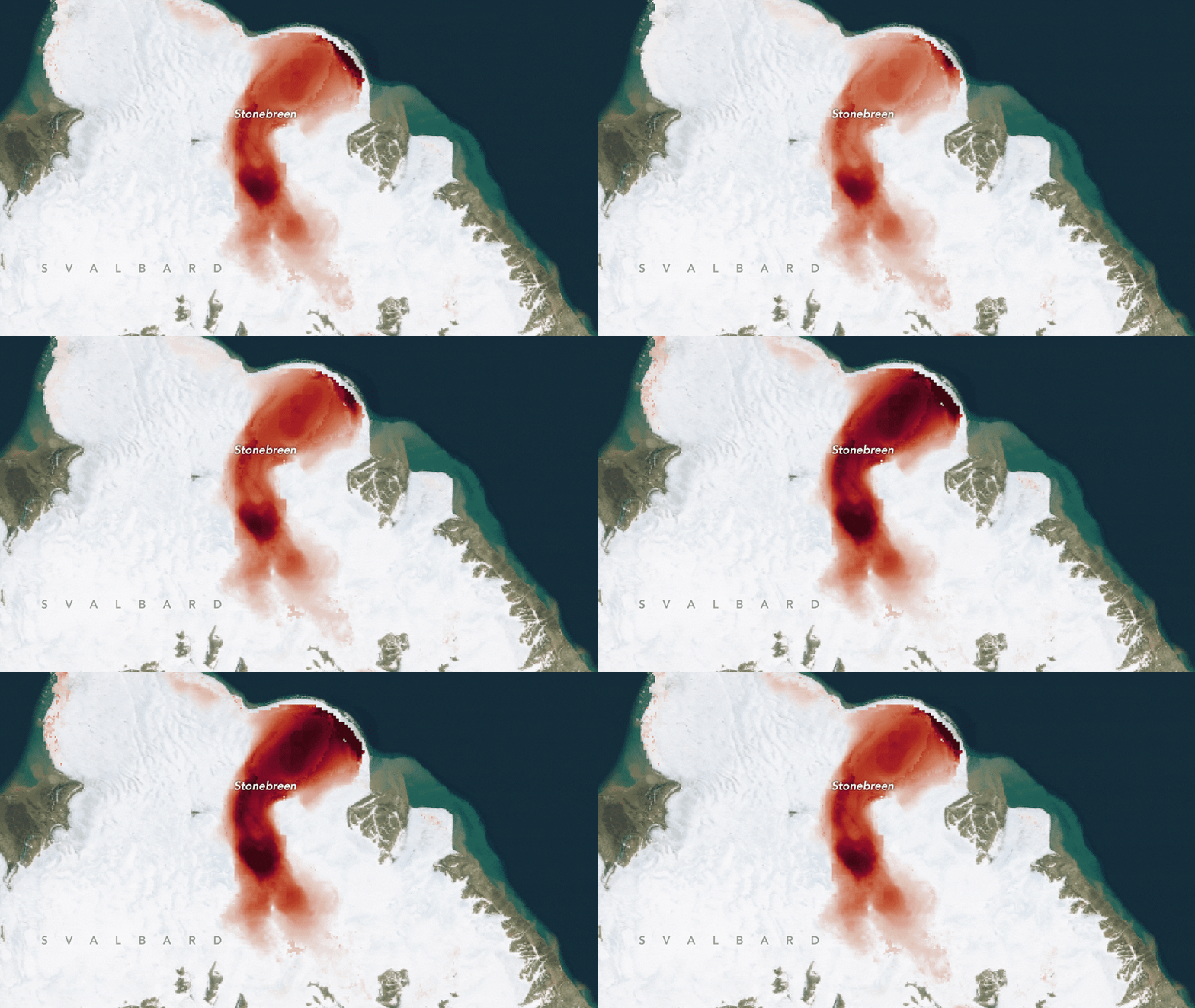
NASA has been tracking the Stonebreen glacier on Edgeøya island in Svalbard since 2014. The nearly uninhabited Arctic region experiences dramatic seasonal changes that scientists can now watch pulse across their screens in vivid red animation.
The color isn't real. NASA chose red to highlight how the glacier's ice flows faster and slower throughout the year, creating a pattern that mimics the rhythm of a human heart.
During winter and spring, the ice crawls slowly across the bedrock. But when summer arrives, everything changes. Meltwater from the surface seeps down to the glacier's base, lubricating its path and sending ice racing toward the Barents Sea at speeds exceeding 1,200 meters per year.
Chad Greene, a glaciologist at NASA's Jet Propulsion Laboratory, explains that this seasonal acceleration happens when water acts like a natural conveyor belt beneath the ice. The darker shades in the animation show where the ice moves fastest.
Stonebreen belongs to a rare category called surge-type glaciers. These unusual ice formations can suddenly rocket forward after sitting relatively still for decades. Only about one percent of the world's glaciers behave this way, though they're more common in Svalbard.
Before 2023, Stonebreen spent years advancing rapidly even as its front melted into the sea. The glacier maintained its seasonal heartbeat pattern throughout, speeding up each summer and slowing each winter.
Since 2023, the glacier has entered what NASA calls a calmer phase. It's nearly stopped moving except for slight summer pulses when melting occurs.
Why This Inspires
This visualization does something remarkable. It takes eight years of complex satellite data and transforms it into something anyone can understand and appreciate. The animation reminds us that Earth's ice isn't static or lifeless but follows natural rhythms we're only beginning to fully comprehend.
Scientists can now track these patterns from space with stunning precision. What once required dangerous expeditions and years of ground measurements now appears as an elegant dance of red and dark shades on a screen.
The heartbeat metaphor isn't just poetic. It gives us a new way to think about how glaciers respond to seasonal changes and helps researchers predict future behavior.
Watching ice pulse like a living thing connects us to Earth's most remote places in an immediate, emotional way.
More Images
Based on reporting by Google: NASA discovery
This story was written by BrightWire based on verified news reports.
Spread the positivity!
Share this good news with someone who needs it