NASA's Artemis II Astronauts Return After Record Moon Trip
Four astronauts just traveled farther into space than any humans in history, completing NASA's Artemis II mission to the Moon and back. The crew broke Apollo 13's distance record, voyaging 252,756 miles from Earth while testing new spacecraft that will pave the way for future lunar exploration.
Four astronauts have just made history, traveling farther from Earth than any humans ever have on a journey that brought tears, triumph, and a touching tribute 250,000 miles from home.
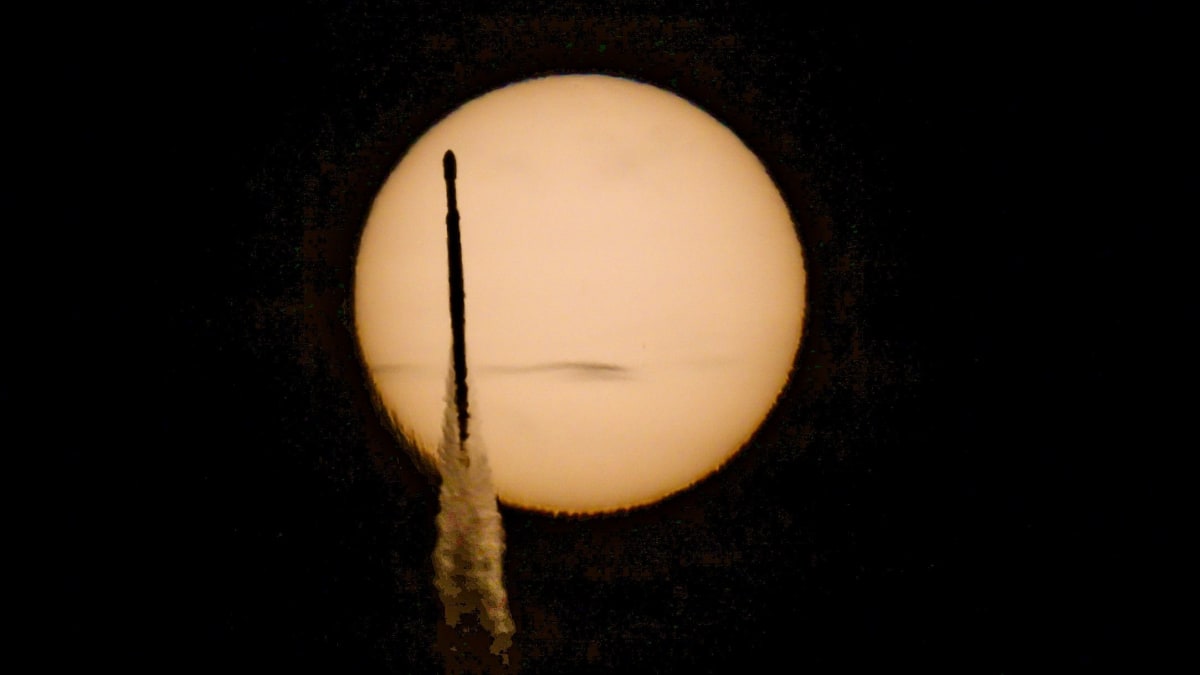
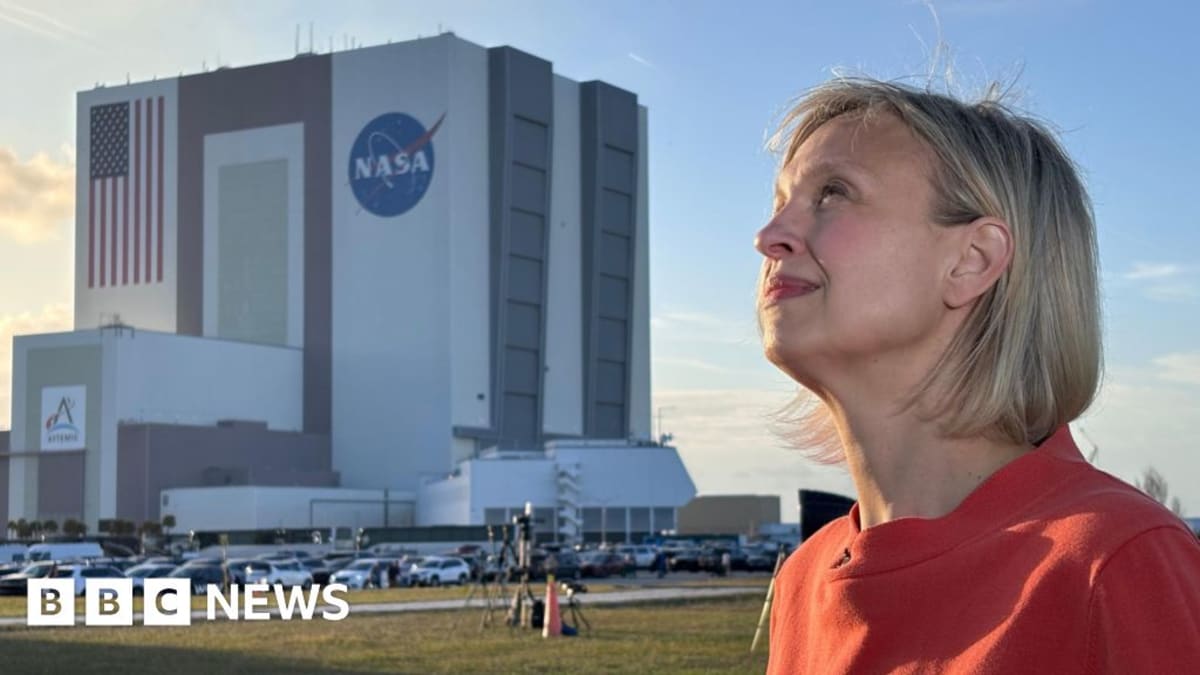
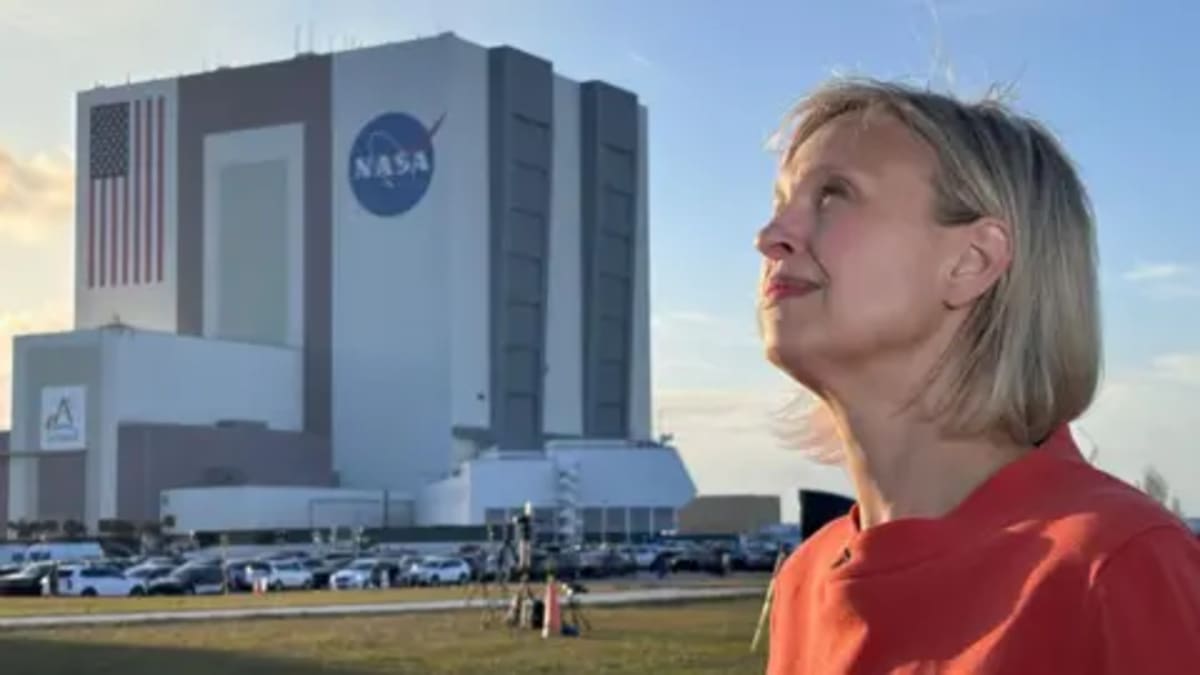
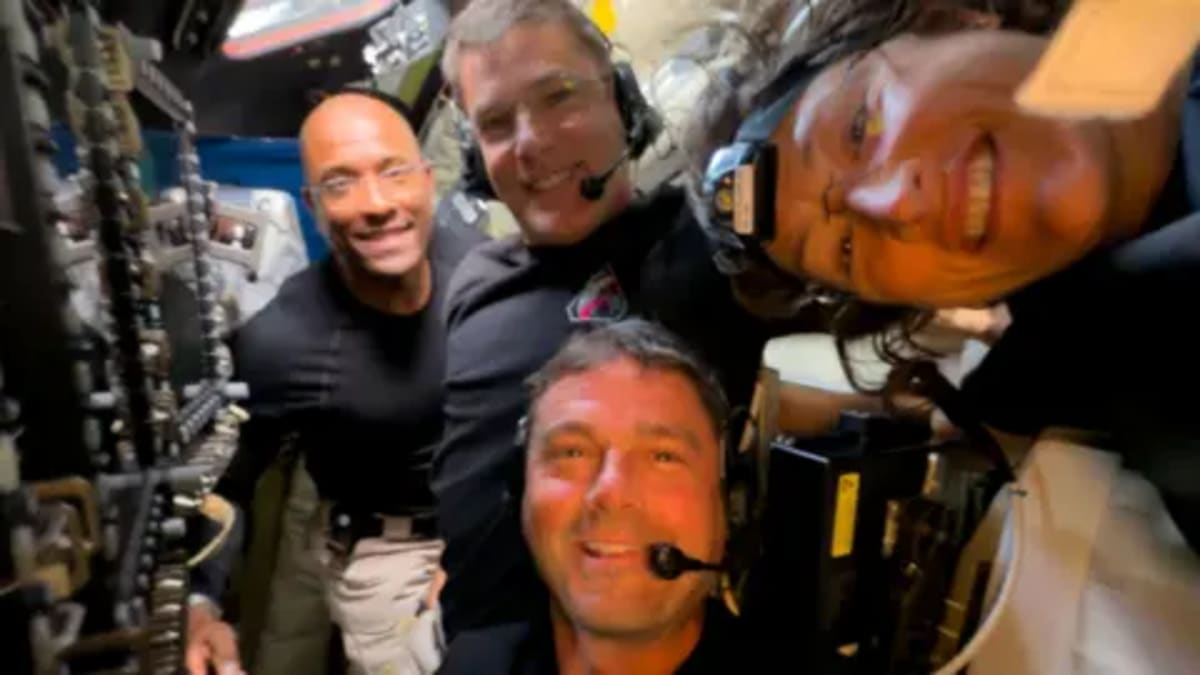
NASA's Artemis II crew—Reid Wiseman, Victor Glover, Christina Koch, and Jeremy Hansen—spent 10 days testing new spacecraft on humanity's first crewed voyage to the Moon in over 50 years. Standing at Kennedy Space Center in Florida, BBC science editor Rebecca Morelle described the launch as truly visceral: the blinding white brightness, the deafening roar, and the force of the blast passing right through everyone watching.
The crew lived, worked, ate, and slept in a space the size of a minibus with zero privacy from each other or the millions watching their livestream back on Earth. When their $23 million toilet had plumbing problems, the world learned in intimate detail about their "number ones and number twos" situation during media briefings.
But the mission delivered moments of profound beauty too. As the astronauts neared the Moon, Commander Wiseman and his crew named a crater after his late wife Carroll, who died six years ago. The entire crew embraced their commander in tears, and back at Mission Control in Houston, there wasn't a dry eye in the room.
Before launch, both Wiseman and Hansen had honest conversations with their children about the real risks involved. This was the first crewed test flight of both the rocket and spacecraft, and test flights come with genuine danger.
Why This Inspires
The crew shattered Apollo 13's distance record, ultimately reaching 252,756 miles from Earth. They captured thousands of images and audio descriptions of the Moon's bleak beauty passing beneath them while astronaut Victor Glover looked out at our planet and told the world, "Planet Earth, you look beautiful."
NASA Administrator Jared Isaacman says this isn't just nostalgia for Apollo's glory days. The agency plans a lunar landing in 2028, a future Moon base, and eventually sending humans to Mars. The $93 billion investment aims to build on Apollo, not just repeat it.
Every person at NASA, from administrators to engineers, cares deeply about this crew and has been rooting for their success with every fiber of their being. Exploration runs through human DNA, and this mission proved that when we reach for the stars, we can still go farther than we've ever gone before.
More Images


Based on reporting by BBC Science
This story was written by BrightWire based on verified news reports.
Spread the positivity!
Share this good news with someone who needs it