NASA's Artemis II Crew Heads to Moon This April
Four astronauts are preparing for humanity's first crewed journey around the Moon in over 50 years. NASA's Artemis II mission launches April 1, marking a giant leap toward future lunar exploration.
For the first time since 1972, humans are heading back to the Moon.
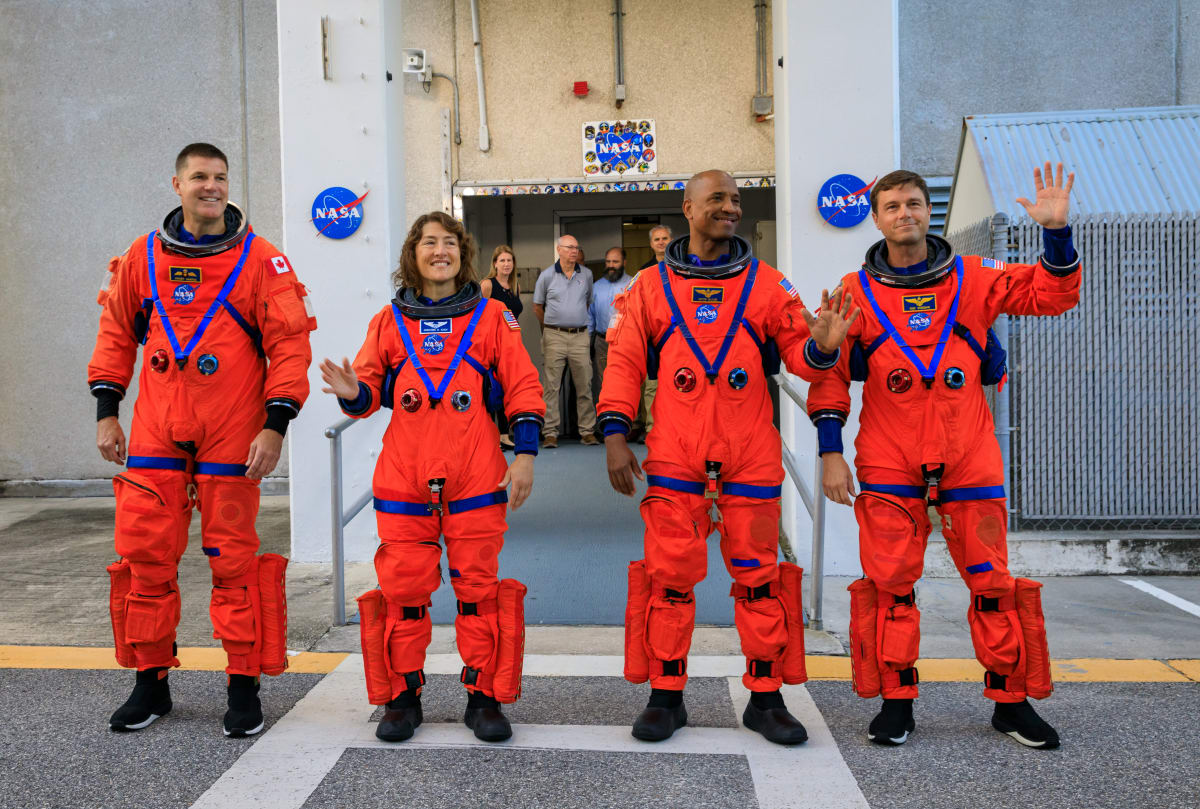
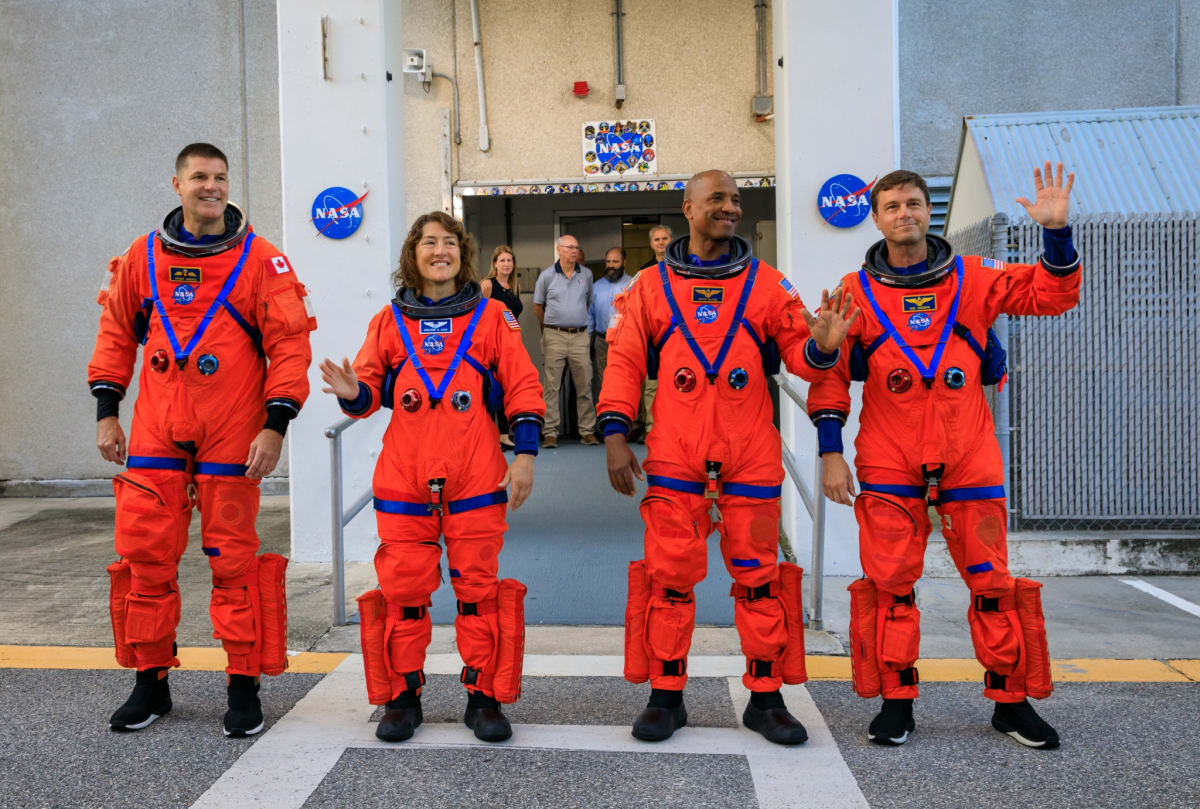
NASA astronauts Reid Wiseman, Victor Glover, Christina Koch, and Canadian Space Agency astronaut Jeremy Hansen will launch from Kennedy Space Center in Florida on April 1, 2026. The four-person crew will spend approximately 10 days circling the Moon aboard the Orion spacecraft, testing critical life support systems that will pave the way for future lunar missions.
This isn't just another space mission. Artemis II represents humanity's return to deep space exploration after more than five decades.
The mission will test Orion's life support systems with people aboard for the first time. Engineers and scientists will monitor how the spacecraft performs during the journey, gathering data that will help land astronauts on the lunar surface during future Artemis missions.
NASA Administrator Jared Isaacman and Canadian Space Agency President Lisa Campbell will welcome the crew to Kennedy Space Center on March 27. The astronauts will answer questions from media before entering quarantine to prepare for their historic journey.
Launch coverage begins at 12:40 p.m. EDT on April 1, with a two-hour launch window opening at 6:24 p.m. If weather or technical issues prevent liftoff, backup opportunities extend through April 6.
The Ripple Effect
This mission creates opportunities that extend far beyond the four astronauts strapped into Orion. Victor Glover will become the first person of color to travel beyond low Earth orbit. Christina Koch, who already holds the record for the longest single spaceflight by a woman, continues breaking barriers in space exploration.
The international partnership between NASA and the Canadian Space Agency demonstrates how countries can collaborate on ambitious goals. Jeremy Hansen's inclusion marks Canada's first crewed mission to the Moon, inspiring a new generation of scientists and engineers worldwide.
Every system tested on Artemis II brings us closer to establishing a permanent human presence beyond Earth. The data collected will inform designs for lunar bases, deep space habitats, and eventually missions to Mars.
NASA will provide 24/7 mission coverage through YouTube, with live views from inside Orion when bandwidth allows. Daily mission status briefings will keep the world connected to this historic journey as it unfolds.
After half a century away, we're going back to the Moon, and this time we're building the foundation to stay.
More Images
Based on reporting by NASA
This story was written by BrightWire based on verified news reports.
Spread the positivity!
Share this good news with someone who needs it