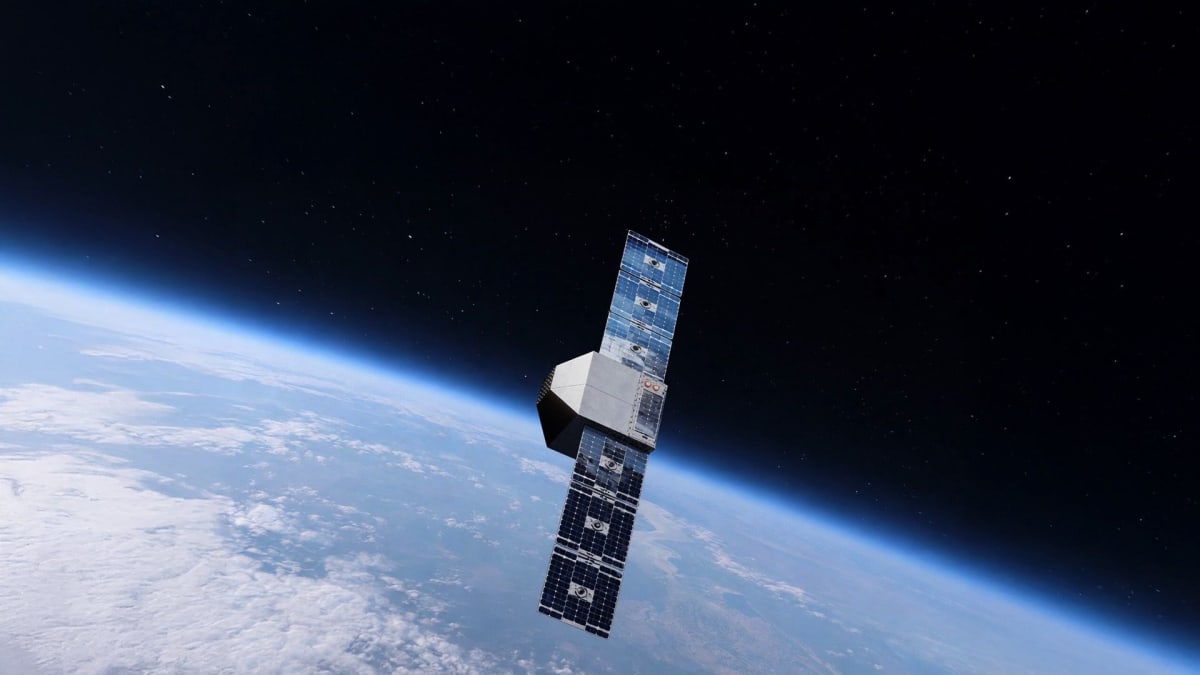
NASA's Artemis II Crew Launches to Moon April 1
Four astronauts are heading to the Moon next month in humanity's first crewed lunar mission in over 50 years. NASA's Artemis II mission marks the beginning of a new era of space exploration that will pave the way to Mars.
Humanity is going back to the Moon, and it's happening in just days.
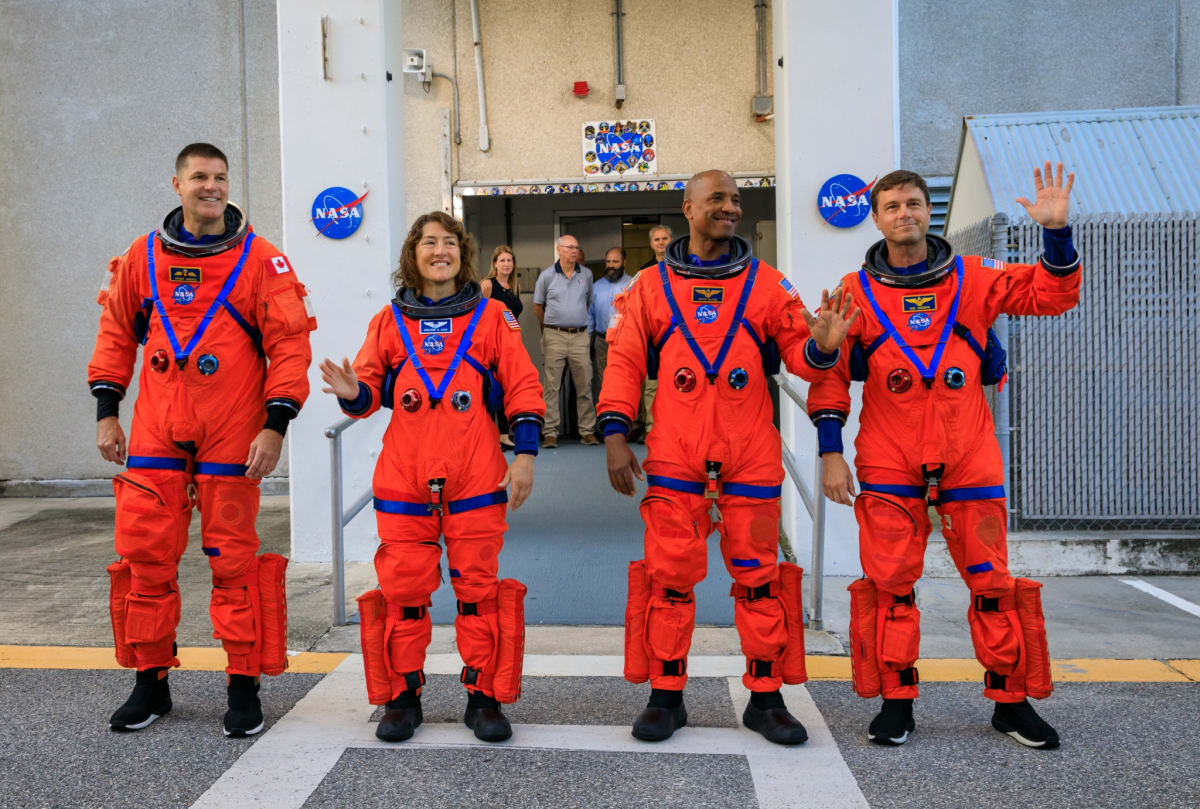
NASA will launch four astronauts on a historic journey around the Moon no earlier than April 1, marking the first time humans have ventured beyond low Earth orbit since 1972. The Artemis II crew includes NASA astronauts Reid Wiseman, Victor Glover, Christina Koch, and Canadian Space Agency astronaut Jeremy Hansen, who will spend approximately 10 days testing critical systems aboard the Orion spacecraft.
The mission launches from Kennedy Space Center in Florida during a two-hour window starting at 6:24 p.m. EDT. If weather or technical issues arise, backup launch opportunities are available through April 6.
This isn't just a nostalgic return to past glory. The crew will test Orion's life support systems with people for the first time, gathering essential data that engineers need to plan longer missions. Every sensor reading and system check brings us closer to establishing a lasting human presence beyond Earth.
Victor Glover will become the first person of color to travel to the Moon, while Christina Koch will be the first woman to make the journey. Jeremy Hansen's participation marks Canada's deepening role in space exploration, showing how international partnerships are expanding humanity's reach into the cosmos.
The Ripple Effect
The Artemis program represents more than astronauts circling the Moon. NASA plans increasingly ambitious missions that will establish a lunar base, unlock scientific discoveries about our solar system's history, and develop technologies with applications back on Earth. The lessons learned from living and working on the Moon will directly enable the first crewed missions to Mars.
Young people watching this launch will grow up in a world where lunar exploration is normal, where careers in space science feel achievable, and where humanity's potential seems limitless. The economic benefits from space innovation have historically returned many times their initial investment through new technologies, materials, and scientific breakthroughs.
Anyone can join the experience virtually through NASA's online coverage, which begins April 1 at 12:50 p.m. EDT. The agency will stream live views from inside Orion throughout the mission, offering an unprecedented window into what it's like to travel to the Moon. Daily briefings will keep Earth-bound viewers connected to every milestone.
The countdown has begun for humanity's next giant leap forward.
More Images

Based on reporting by Google News - Science
This story was written by BrightWire based on verified news reports.
Spread the positivity!
Share this good news with someone who needs it