NASA's Artemis II Crew Returns After Record Moon Mission
Four astronauts just completed humanity's farthest journey ever, traveling more than 695,000 miles around the moon and safely splashing down in the Pacific Ocean. They witnessed views no human has ever seen and broke distance records that stood for over 50 years.
Four astronauts splashed down in the Pacific Ocean on Friday evening after traveling farther from Earth than any human in history. NASA's Artemis II crew returned safely after a 10-day mission that took them 252,756 miles from home, breaking Apollo 13's distance record set five decades ago.
Commander Reid Wiseman, pilot Victor Glover, and mission specialists Christina Koch and Jeremy Hansen launched from Florida on April 1 atop the most powerful rocket ever built. Their Orion capsule, named Integrity, carried them on a historic journey around the moon that revealed sights no previous astronauts had witnessed.
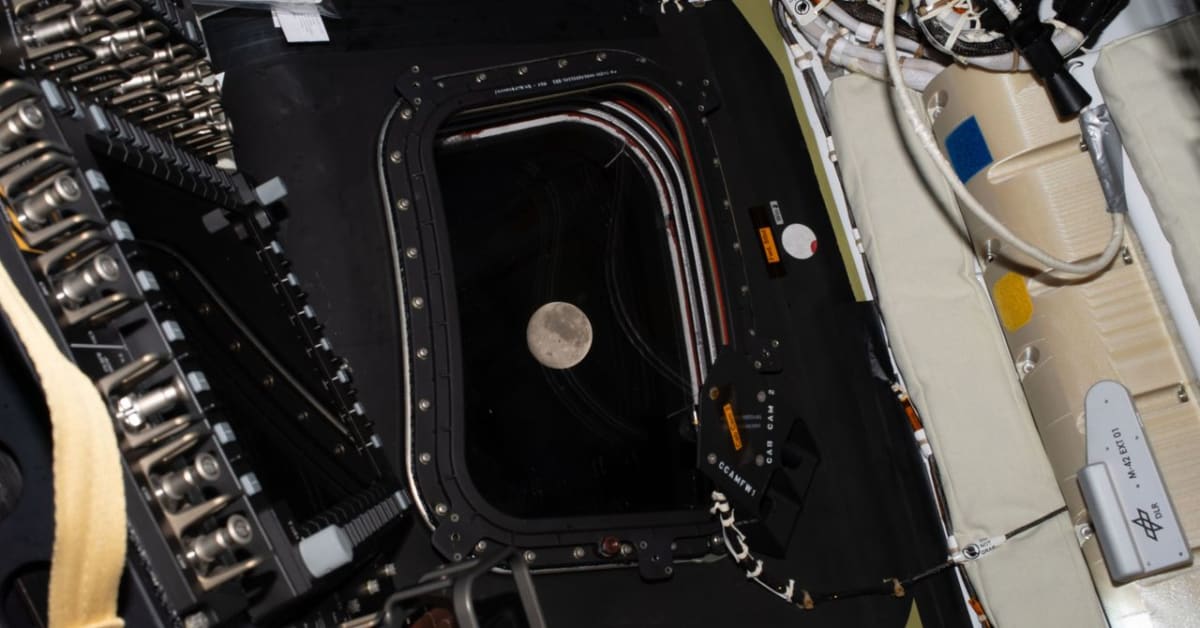
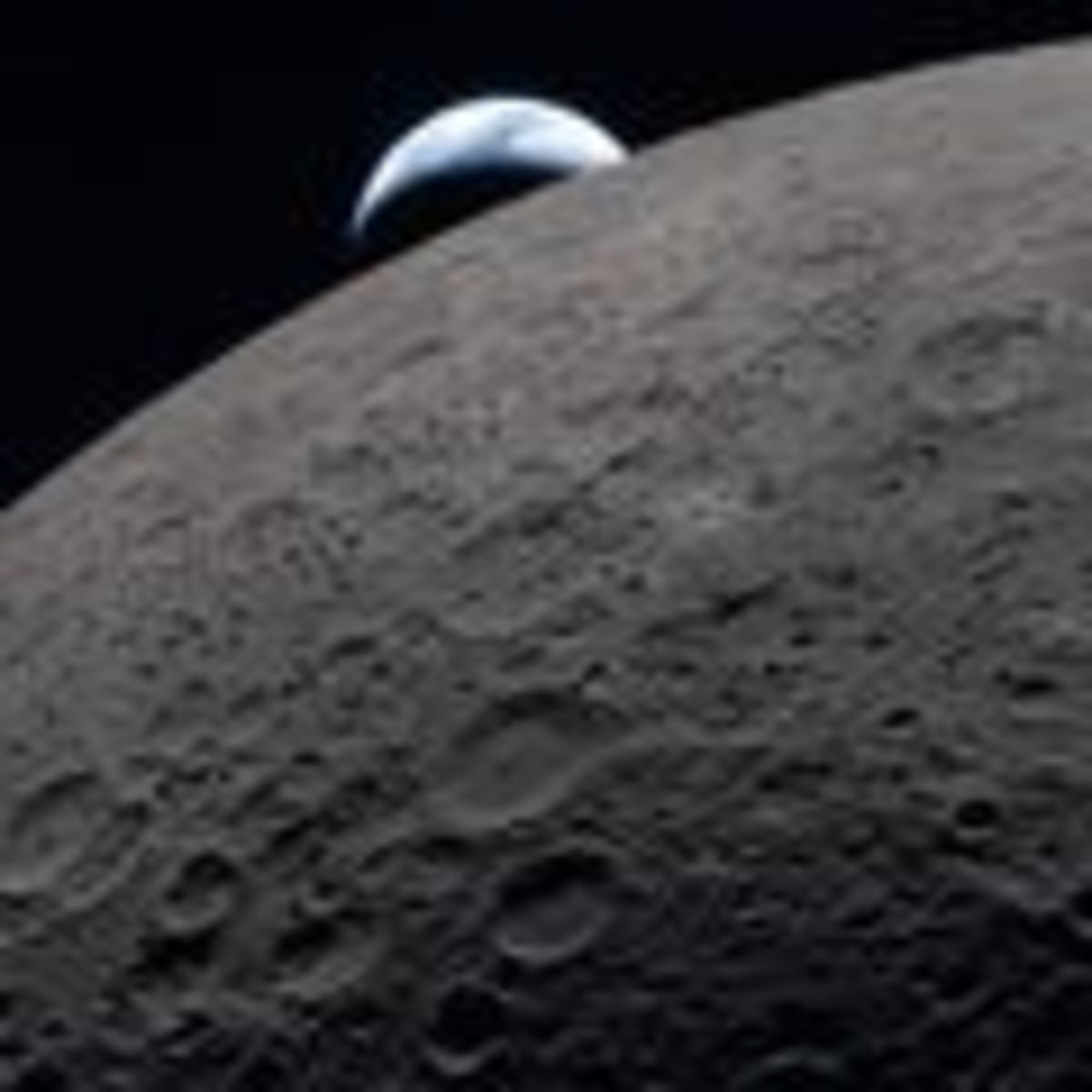
The crew became the first humans to see the entire far side of the moon as a complete disk. Flying higher than the Apollo missions, they watched a solar eclipse from near the lunar surface, describing a breathtaking halo of light surrounding the moon while planets shone brilliantly in the darkness.
During their closest approach at 4,000 miles above the lunar surface, the astronauts described features invisible from Earth. They saw greenish volcanic terrain, brownish patches across the surface, and bright white minerals freshly exposed in crater centers that sparkled like pinpricks of light through a lampshade.
The crew used their unique vantage point to help future missions. At the lunar south pole, where NASA plans to land astronauts by 2028, they described steep, jagged terrain that will challenge landing teams.
In a deeply moving moment, the astronauts proposed naming two lunar craters. The first honored their spacecraft, Integrity. The second they named Carroll, after commander Wiseman's wife who died of cancer in 2020, creating what Hansen called "a bright spot on the moon."
The Ripple Effect
This mission proves humanity can safely travel to deep space again after a 50-year gap. The crew tested crucial systems that will carry future astronauts to the lunar surface, where they'll establish a permanent presence and prepare for missions to Mars.
Their observations provided scientists with three-dimensional perspectives impossible to capture in photographs. The detailed descriptions of lunar geology, colors, and terrain will guide upcoming missions and help researchers understand the moon's formation.
Canadian astronaut Hansen challenged both this generation and the next to break their distance record soon. With Artemis III planned for 2028 and a lunar base in development, that challenge may be answered sooner than the five decades it took to surpass Apollo 13.
The successful splashdown after a fiery reentry at 24,000 miles per hour proved the spacecraft's heat shield and parachute systems work perfectly. Every test completed brings permanent human presence beyond Earth one step closer to reality.
More Images



Based on reporting by Wired
This story was written by BrightWire based on verified news reports.
Spread the positivity!
Share this good news with someone who needs it