NASA's Artemis II: From 1 MPH Crawl to 25,000 MPH Return
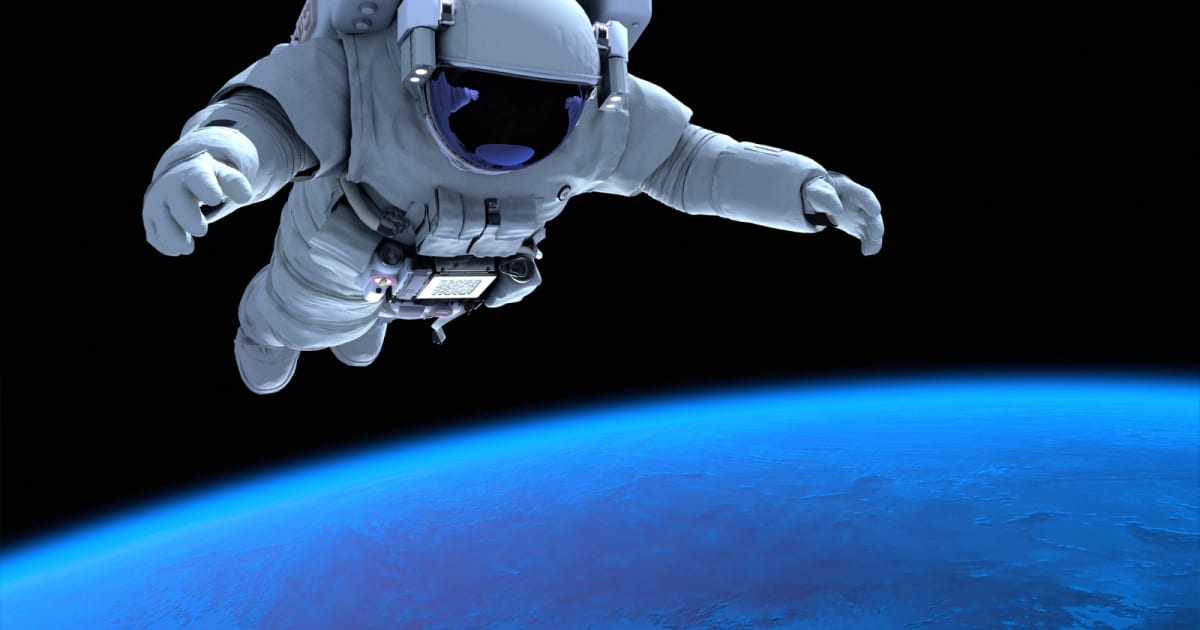
Four astronauts just completed humanity's farthest journey from Earth in over 50 years, traveling in a spacecraft that moved slower than a toddler walks before it screamed home faster than a speeding bullet. The mission's incredible speed range tells the story of precision, patience, and triumph.
A rocket that took nearly 12 hours to crawl four miles just carried four humans around the Moon and back at speeds approaching 25,000 miles per hour.
On January 17, 2026, NASA's Space Launch System rocket inched toward Launch Pad 39B at Kennedy Space Center aboard a massive crawler transporter. The journey covered four miles at less than one mile per hour, with deliberate pauses to keep the 11-million-pound rocket perfectly level.
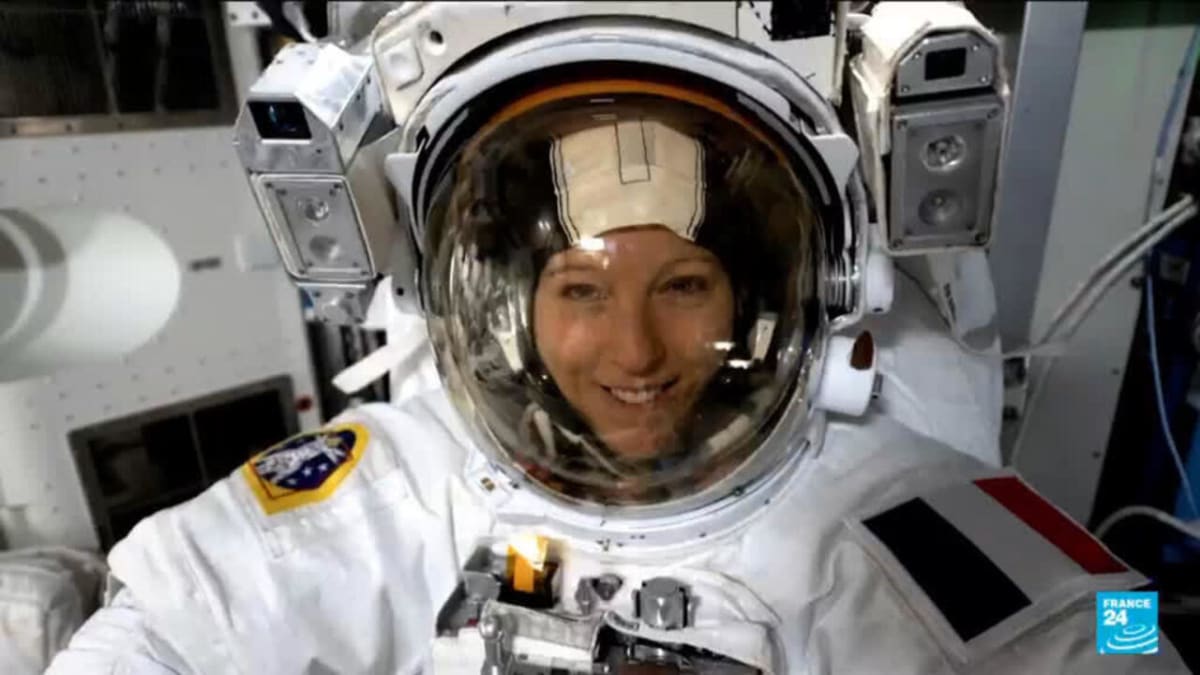
That patience paid off spectacularly. On April 1, astronauts Reid Wiseman, Victor Glover, Christina Koch, and Jeremy Hansen lifted off on humanity's first crewed lunar mission in over half a century.
The nearly 10-day journey covered 695,081 miles. At their farthest point, the crew reached 252,756 miles from Earth, breaking Apollo 13's 1970 distance record by more than 4,000 miles.
But this time, it was exactly as planned.
The crew practiced manual handling in Earth orbit before departing on a free-return trajectory, a path shaped so the Moon's gravity would naturally guide them home. They became the first humans to see the lunar far side in person since 1972.
On April 10, Orion's capsule hit Earth's atmosphere traveling nearly 35 times the speed of sound. The spacecraft had to thread a narrow entry corridor to reach the Pacific recovery zone safely.
Why This Inspires
The 30,000-to-one speed ratio isn't just memorable math. It's a reminder that monumental achievements start with careful preparation.
Engineers designed the crawler to change its own height beneath the rocket rather than let the stack lean with the road's slope. Near the mounting points, positioning is measured in inches, not feet.
When teams discovered a helium flow problem during testing, they rolled the entire rocket back to the assembly building, fixed it, and tried again. At crawler speed, taking time to get things right costs hours, not dreams.
The mission proved that four different machines, from a building-sized transporter to a heat-shielded capsule, could hand off four human lives through the most extreme conditions imaginable. Each piece did exactly what it was built to do.
NASA's Artemis program is now preparing for Artemis III, which will land the first woman and first person of color on the Moon. The crawlers are already being prepared for their next slow, steady journey to the pad.
Sometimes the most inspiring speed is knowing when to go slow.
More Images


Based on reporting by Google News - Science
This story was written by BrightWire based on verified news reports.
Spread the positivity!
Share this good news with someone who needs it