NASA's Artemis II Launch Captured at 2,000 Frames Per Second
National Geographic positioned a high-resolution camera just 1,500 feet from the Artemis II launch, capturing stunning slow-motion footage that reveals details invisible to the naked eye. The footage shows blazing boosters and rolling shockwaves in jaw-dropping clarity.
Humanity's return to the Moon just got a spectacular visual record that lets us see every detail of history in the making.
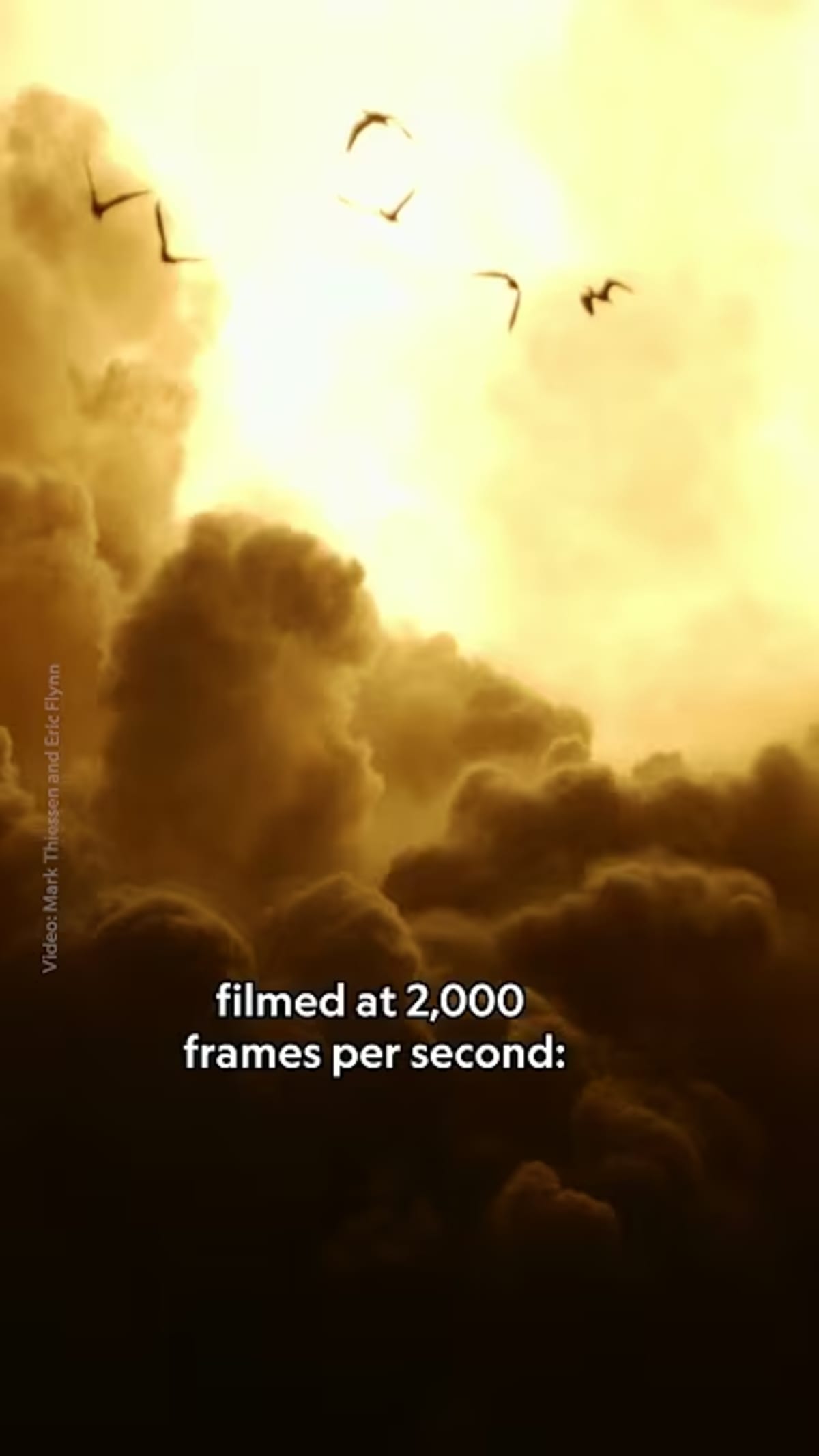
National Geographic deployed a specialized slow-motion camera just 1,500 feet from NASA's Artemis II launch pad. The camera recorded the massive rocket's blast-off at 2,000 frames per second, creating footage that stretches 7.5 seconds of launch into minutes of mesmerizing detail.
The results are nothing short of breathtaking. Viewers can now see blazing rocket boosters ignite with crystal clarity and watch shockwaves ripple through the air in ways that would be completely invisible during a normal-speed launch.
This isn't just beautiful cinematography. It's a powerful tool for engineers and scientists studying every aspect of the launch sequence. The ultra-high-speed footage helps NASA teams analyze rocket performance, identify potential issues, and improve future missions.
Artemis II marks a monumental milestone in space exploration. The mission will send astronauts around the Moon for the first time in over 50 years, paving the way for a permanent lunar presence and eventual missions to Mars.
Why This Inspires
There's something profound about seeing a moment of human achievement slowed down to reveal its hidden beauty. The footage reminds us that behind every giant leap forward are thousands of small details working in perfect harmony.
The slow-motion perspective transforms raw power into art. What happens in seconds becomes a ballet of fire, force, and engineering precision that took decades of collaboration to achieve.
These images also make space exploration accessible to everyone. You don't need to be a rocket scientist to appreciate the incredible complexity and beauty of what happens when humanity reaches for the stars.
When we can witness history in such stunning detail, it brings us all closer to the adventure.
Based on reporting by National Geographic
This story was written by BrightWire based on verified news reports.
Spread the positivity!
Share this good news with someone who needs it