NASA's Artemis II Launches 4 Astronauts to the Moon
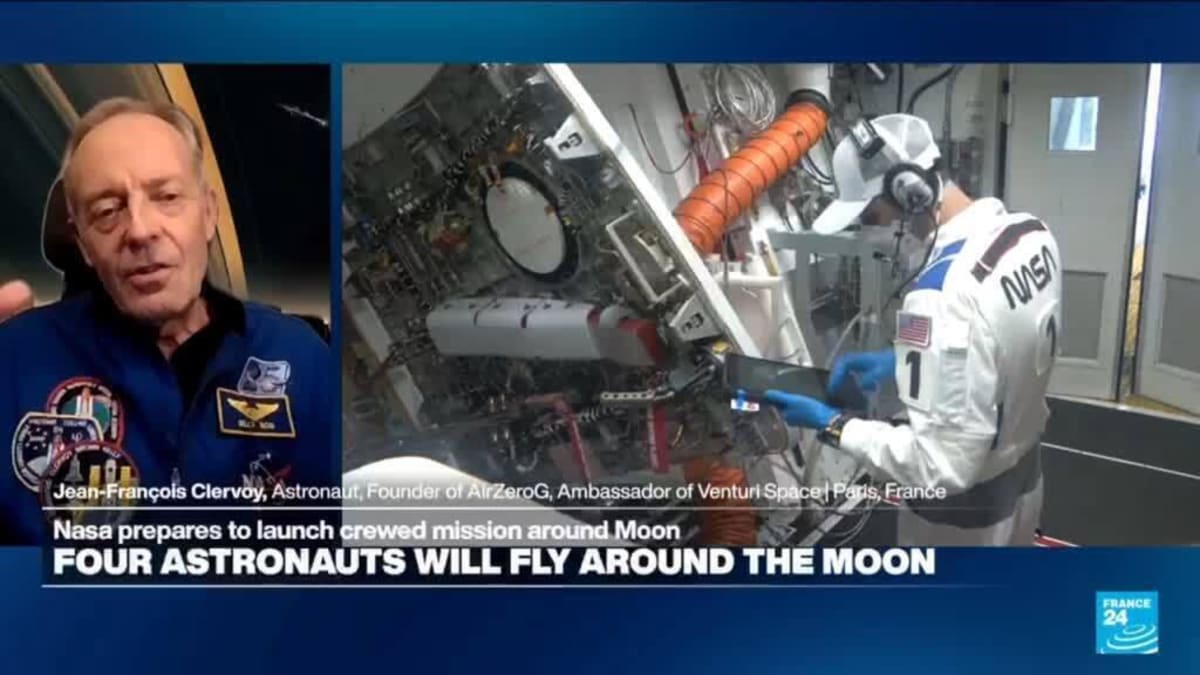
Four astronauts blasted off Wednesday on humanity's first lunar mission in over 50 years, marking a giant leap toward establishing a permanent Moon base. The diverse crew includes the first woman, first person of color, and first non-American ever to venture toward the Moon.
Tens of thousands gathered at Kennedy Space Center Wednesday to witness something no one has seen in half a century: humans heading to the Moon.
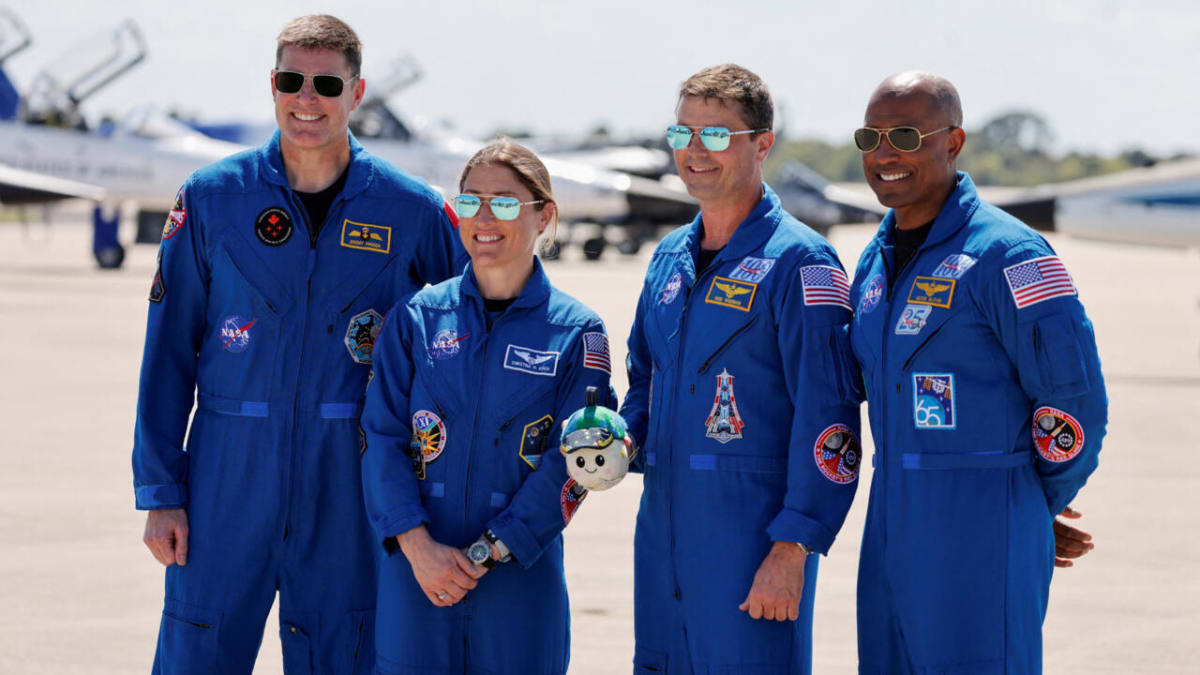
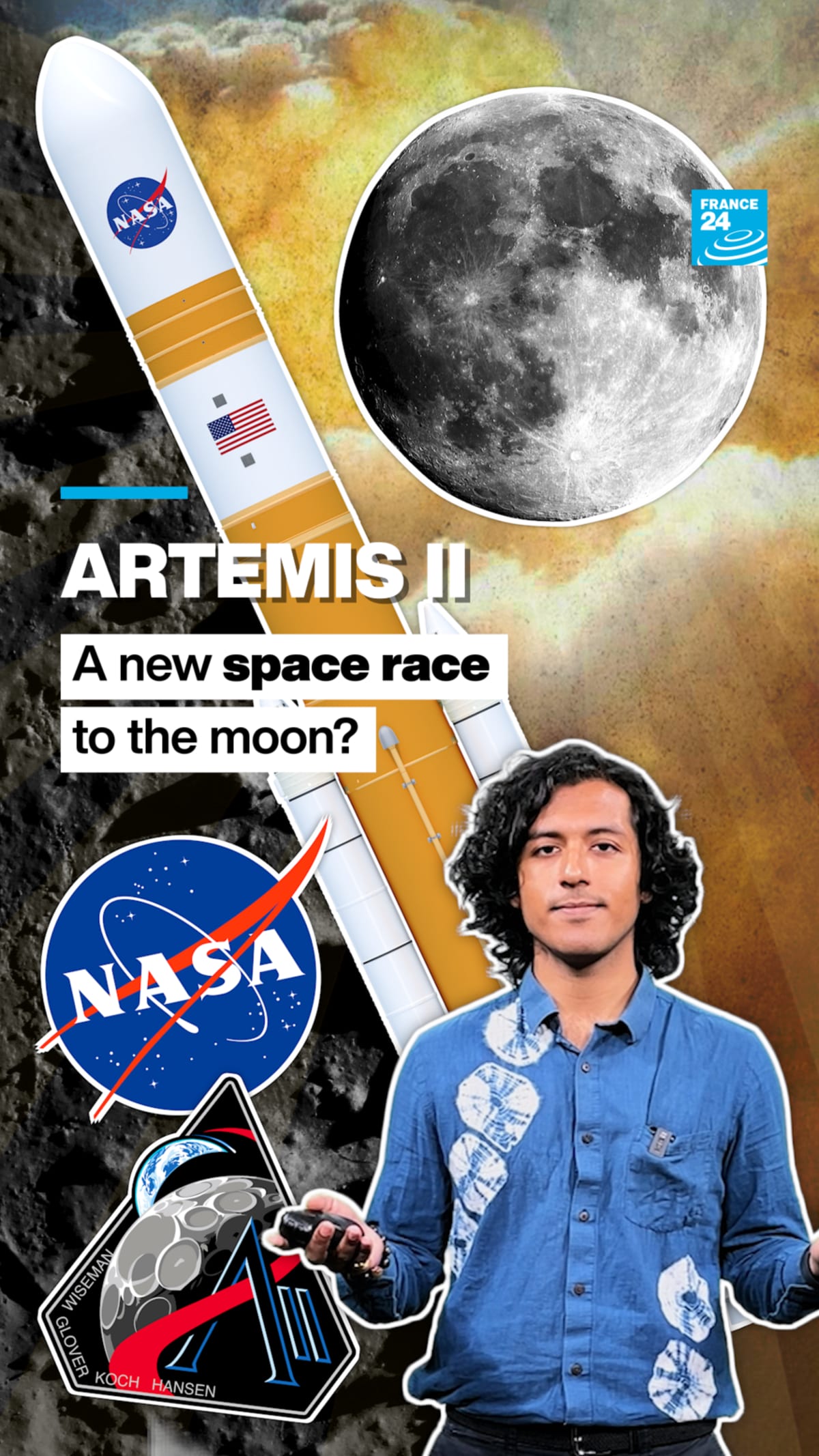
Commander Reid Wiseman, pilot Victor Glover, Christina Koch, and Canada's Jeremy Hansen lifted off aboard NASA's 32-story rocket just as a nearly full Moon rose in the evening sky. Five minutes into flight, Wiseman radioed back with pure wonder in his voice: "We have a beautiful moonrise, we're headed right at it."
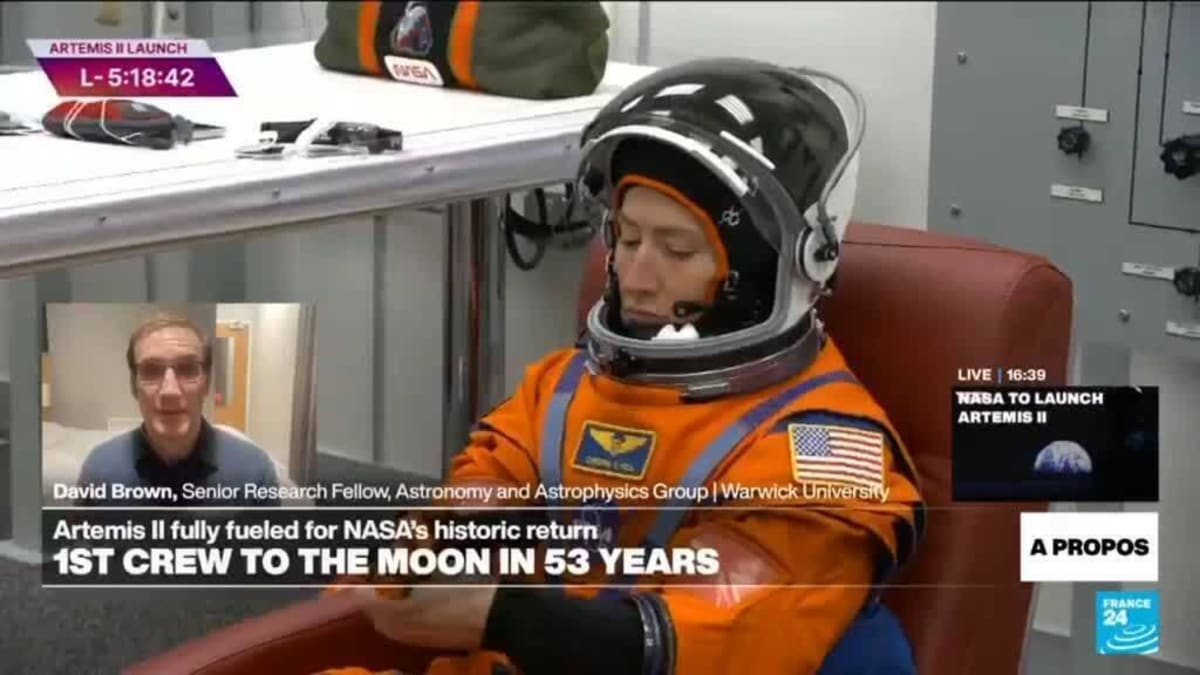
The crew represents a historic first. Koch becomes the first woman, Glover the first person of color, and Hansen the first non-US citizen to fly toward the Moon, shattering barriers that have stood since the Apollo era ended in 1972.
This isn't just a nostalgic replay of past glories. The 10-day mission will test everything NASA needs for Artemis III, scheduled to land astronauts near the Moon's south pole in two years. From there, the plan builds toward something never attempted: a permanent lunar base where astronauts and robots work side by side.
The crew will spend their first day checking systems in Earth orbit before firing engines to propel them toward the Moon. They won't land or even orbit, but they'll venture farther than any humans in history, zooming 4,000 miles past the Moon before swinging back home.
During the lunar flyby, the astronauts will take manual control to practice steering their Orion capsule, a crucial backup skill if automated systems fail. They'll also peer through windows at lunar features never before seen by human eyes and catch glimpses of a total solar eclipse as the Moon blocks the Sun from their perspective.
Launch teams overcame nail-biting technical challenges to make Wednesday's flight happen. Dangerous hydrogen leaks had forced lengthy delays earlier this year, but this time fuel flowed smoothly. Controllers also scrambled to fix battery temperature issues and communication glitches with the rocket's safety systems, resolving everything just in time.
The Ripple Effect
This mission launches more than four people into space. It kickstarts a decade of lunar exploration that will see rovers, drones, and astronauts working together on the Moon's surface. The south pole region holds frozen water that could support long-term human presence and fuel future Mars missions.
Launch director Charlie Blackwell-Thompson captured the moment perfectly as the crew departed: "You take with you the heart of this Artemis team, the daring spirit of the American people and our partners across the globe, and the hopes and dreams of a new generation."
The Pacific Ocean awaits their splashdown in 10 days, but the journey they've started reaches far beyond.
More Images
Based on reporting by France 24 English
This story was written by BrightWire based on verified news reports.
Spread the positivity!
Share this good news with someone who needs it