NASA's Artemis II Moon Mission Passes Flight Review
NASA is ready to share major updates on its first crewed mission to the Moon in over 50 years. After fixing a helium issue, the Artemis II rocket could launch four astronauts around the Moon as soon as April 2026.
NASA just cleared a major milestone in humanity's return to the Moon, and four astronauts are one step closer to making history.
The space agency will hold a press conference on March 12 at Kennedy Space Center in Florida to announce progress on Artemis II, the first crewed lunar mission since the Apollo era ended in 1972. The announcement comes after NASA completed its flight readiness review, a critical safety check before any astronauts climb aboard.
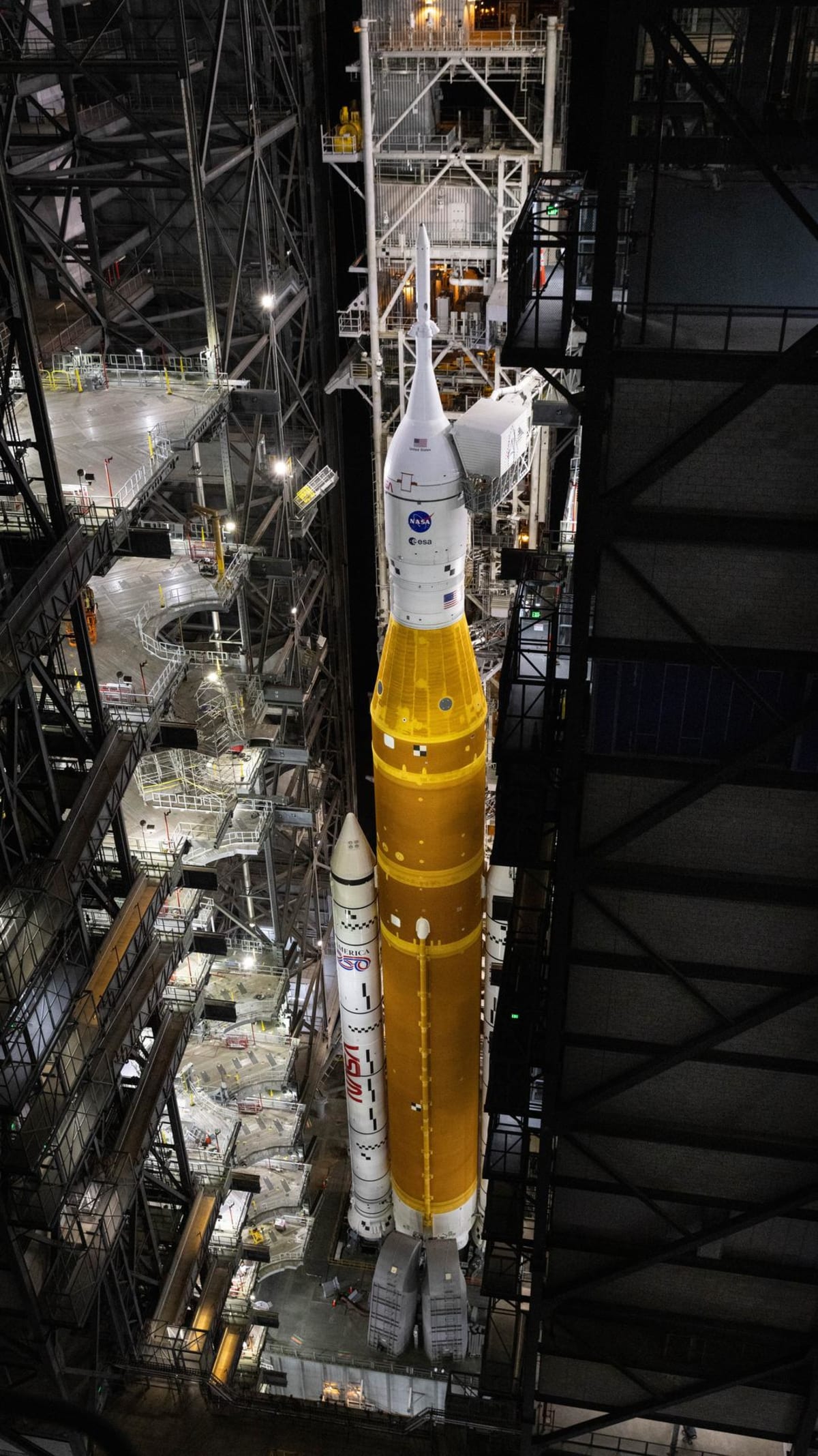
The mission hit a speed bump in late February when engineers discovered a helium flow problem in the rocket's upper stage. NASA rolled the massive Space Launch System rocket and Orion spacecraft back to the Vehicle Assembly Building on February 25 to fix the issue. The repair work is now complete.
Once engineers wrap up final checks, the rocket will make its second trip to Launch Complex 39B later this month. If everything goes smoothly, Artemis II could lift off in April, sending four astronauts on a loop around the Moon and back home.
NASA Administrator Jared Isaacman will join the press conference alongside mission directors and flight operations leaders. The event will stream live on NASA's YouTube channel, making the historic moment accessible to space fans worldwide.
The Artemis II crew won't land on the lunar surface. Instead, they'll test all the systems needed to keep astronauts safe during deep space travel. This flight paves the way for Artemis III, when NASA plans to put the first woman and first person of color on the Moon.
The Ripple Effect
Artemis represents more than just returning to the Moon. NASA is building a sustainable presence in lunar orbit and on the surface, creating a proving ground for the technologies and skills needed for even more ambitious journeys.
The lessons learned from Artemis II will directly support future missions to establish a lunar base camp. Astronauts will learn to live and work far from Earth for extended periods, testing life support systems and space habitats in real conditions.
These Moon missions serve as a stepping stone to Mars. Every challenge overcome in lunar orbit brings humanity closer to the first crewed mission to the Red Planet. NASA is essentially using the Moon as a training ground just 240,000 miles from home before attempting the 140 million mile journey to Mars.
The program also represents a golden age of international cooperation and commercial partnership in space. Companies and countries around the world are contributing technology, expertise, and resources to make this vision reality.
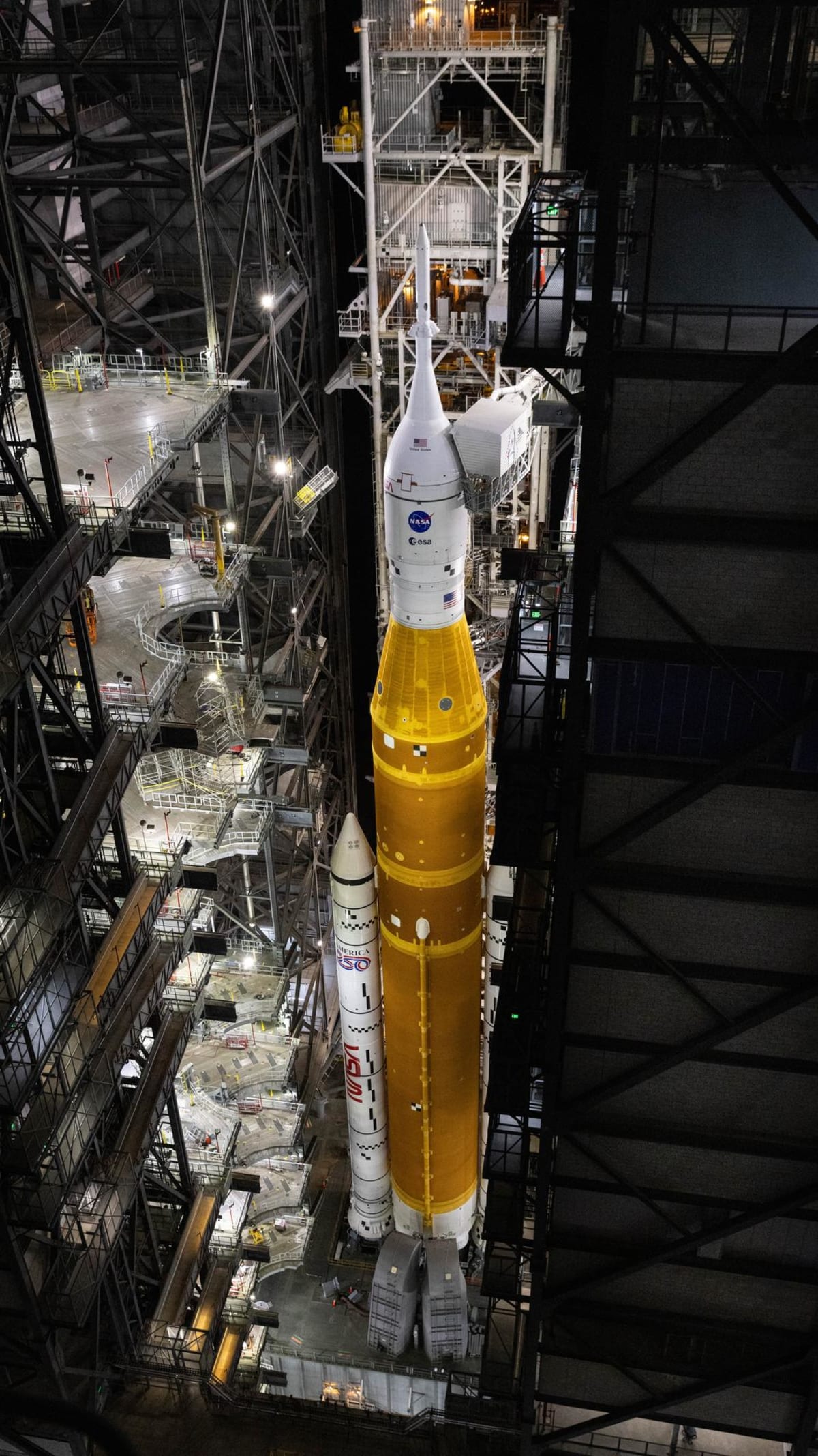
Kennedy Space Center is buzzing with activity as technicians prepare the most powerful rocket ever built for its historic flight. The Vehicle Assembly Building, one of the largest buildings in the world, houses the 322 foot tall rocket as teams conduct final inspections and system checks.
The Orion spacecraft sitting atop the rocket will be home for the four astronauts during their weeklong journey. It contains all the life support, navigation, and safety systems needed to venture farther from Earth than any human has traveled in more than five decades.
This moment marks a turning point in human space exploration after years of planning, testing, and preparation.
More Images
Based on reporting by NASA
This story was written by BrightWire based on verified news reports.
Spread the positivity!
Share this good news with someone who needs it