NASA's Artemis II Reframes Our Bond With the Moon
For the first time in over 50 years, astronauts are returning to the moon, and this journey could transform how humanity views our closest celestial neighbor. Science writer Rebecca Boyle explores how our relationship with the moon has evolved from ancient timekeeping to this generation's chance to rediscover its profound importance to life on Earth.
Humanity is about to fall in love with the moon all over again, and this time the relationship runs deeper than we ever imagined.
NASA's Artemis II mission will send astronauts back to the lunar system for the first time in more than five decades. Science writer Rebecca Boyle believes this return represents something far bigger than another space exploration milestone.
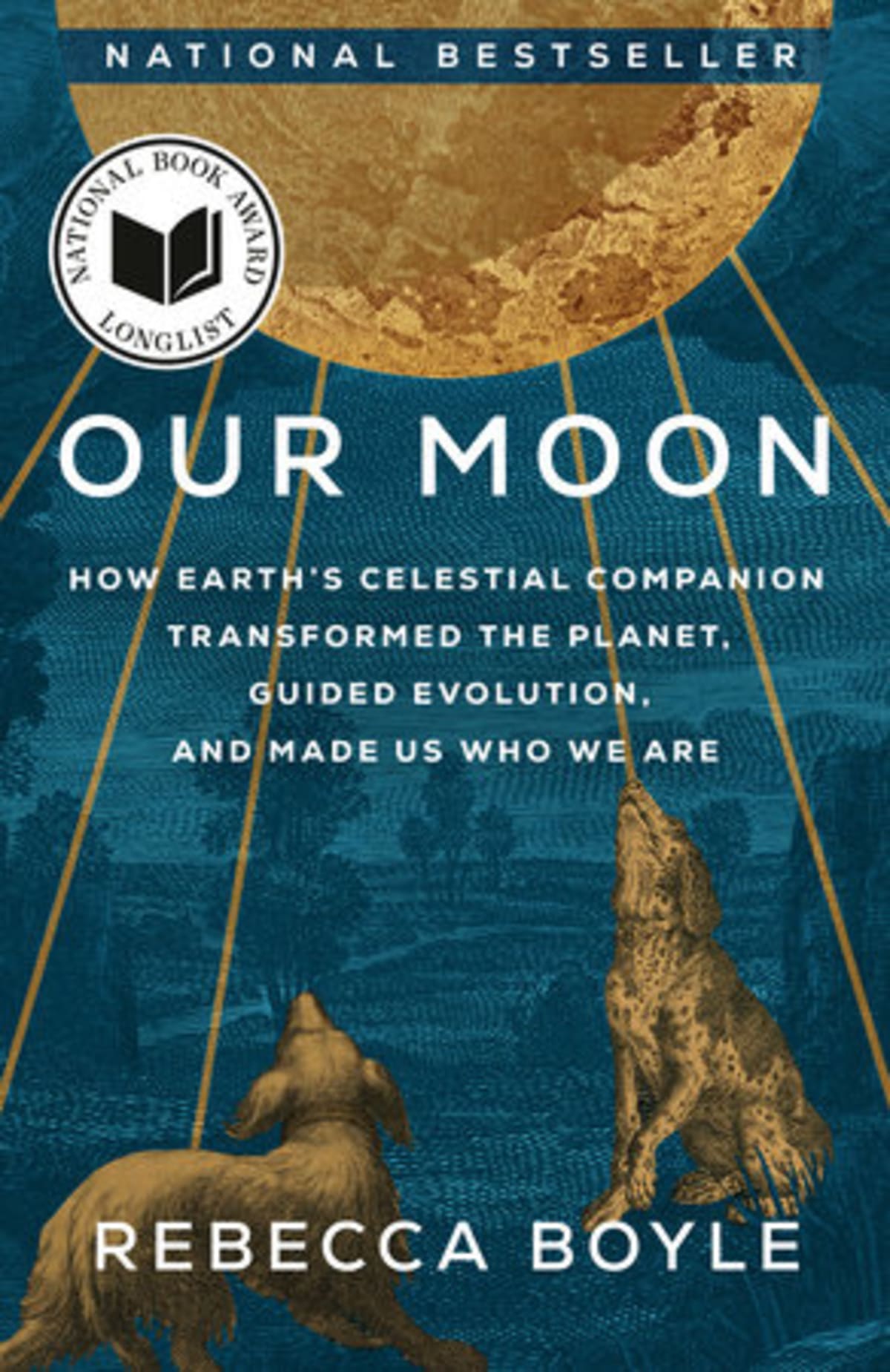
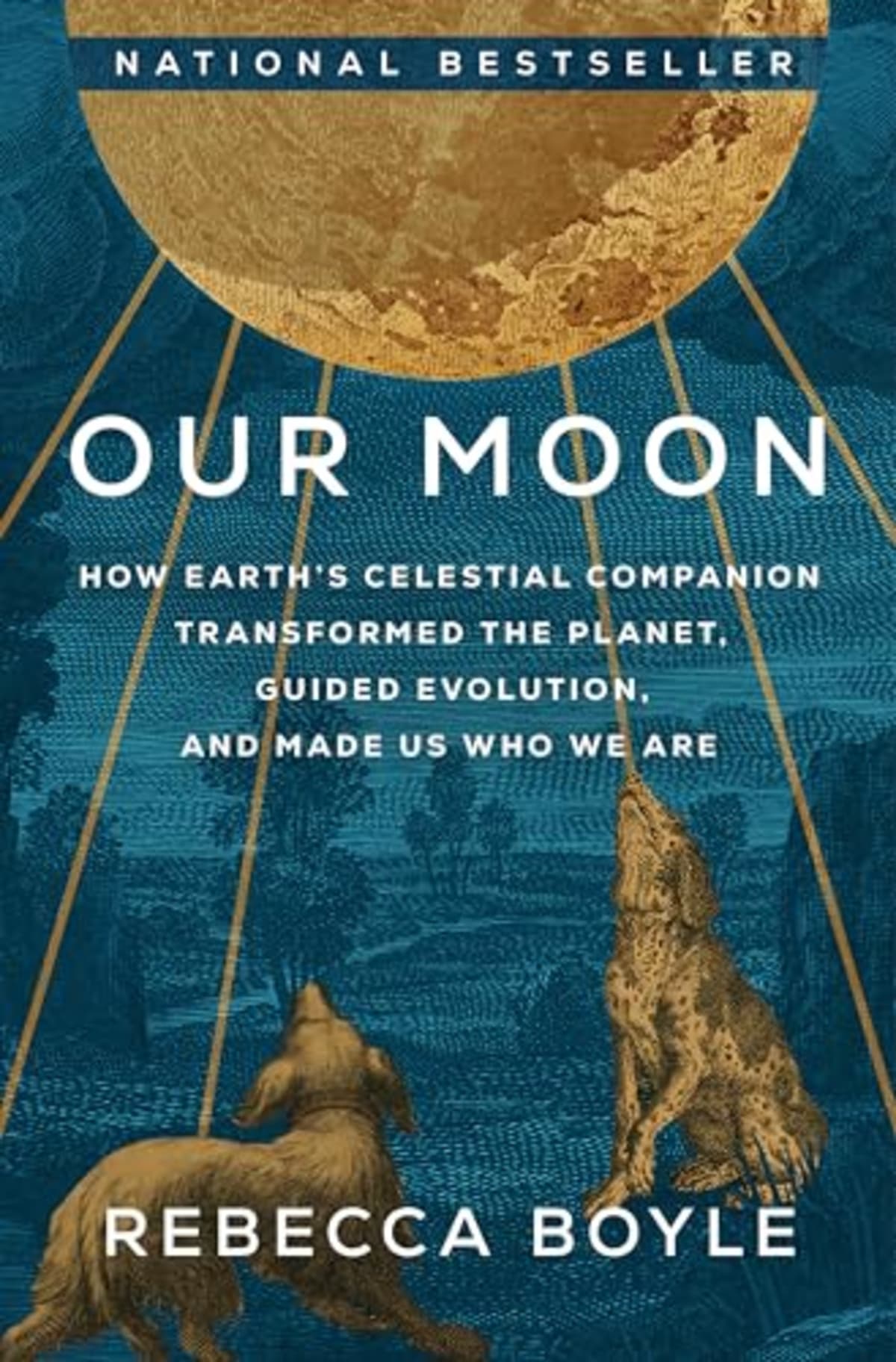
In her new book "Our Moon: How Earth's Celestial Companion Transformed the Planet, Guided Evolution, and Made Us Who We Are," Boyle traces humanity's ancient bond with the moon. Every continent developed lunar calendars, and many cultures still use them today, from the Islamic calendar to China's Lunar New Year.
The moon served as our first clock, helping early humans plan for future time in ways that made us uniquely human. It also became one of Earth's oldest religious figures, watching over civilizations as both guide and deity.
The Apollo missions changed everything by making the moon real. Astronauts walked on its surface and brought pieces home, revealing its composition and teaching us stories about Earth's own history that we never could have learned otherwise.
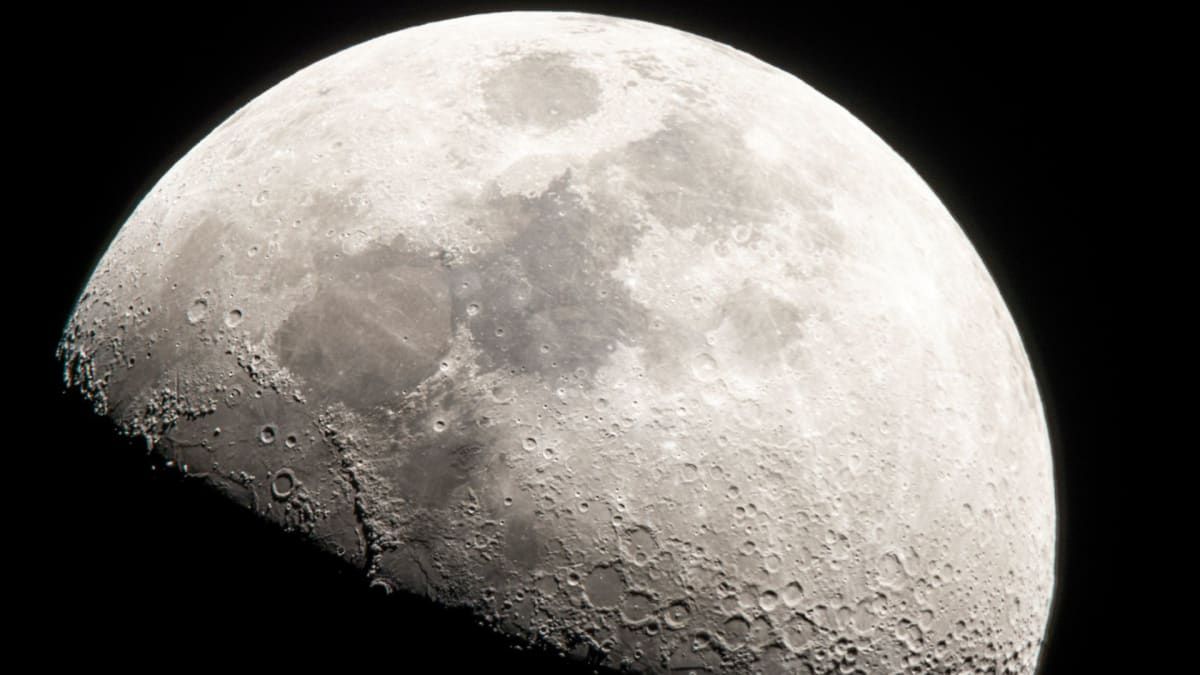
Now Artemis II offers this generation its own transformative moment. The moon isn't just a potato shaped rock floating nearby like the moons of Mars. It's a genuine companion world, massive and distant in a combination that shaped Earth's climate, geology, and the entire history of life.
Why This Inspires
Boyle makes a compelling case that without the moon, we wouldn't exist at all. Its unique size and distance play an irreplaceable role in making Earth habitable.
The Artemis program gives us a chance to reframe our relationship with this celestial companion. We're not just visiting a distant object. We're reconnecting with something fundamental to our existence.
Future lunar missions and even a potential moon base represent more than scientific achievement. They symbolize humanity recognizing that we've always been part of a two world system, never truly alone in space.
This generation gets to rediscover what ancient peoples knew instinctively: the moon isn't just up there watching us; it's down here shaping everything we are.
More Images

Based on reporting by Google News - Science
This story was written by BrightWire based on verified news reports.
Spread the positivity!
Share this good news with someone who needs it