NASA's Artemis II Returns Humans to Moon After 50 Years
For the first time in over five decades, astronauts will return to lunar space through NASA's Artemis II mission. This historic journey promises to reshape how humanity views our closest celestial companion.
After more than 50 years away, humans are heading back to the moon, and this time we're bringing a whole new understanding of our relationship with Earth's closest neighbor.
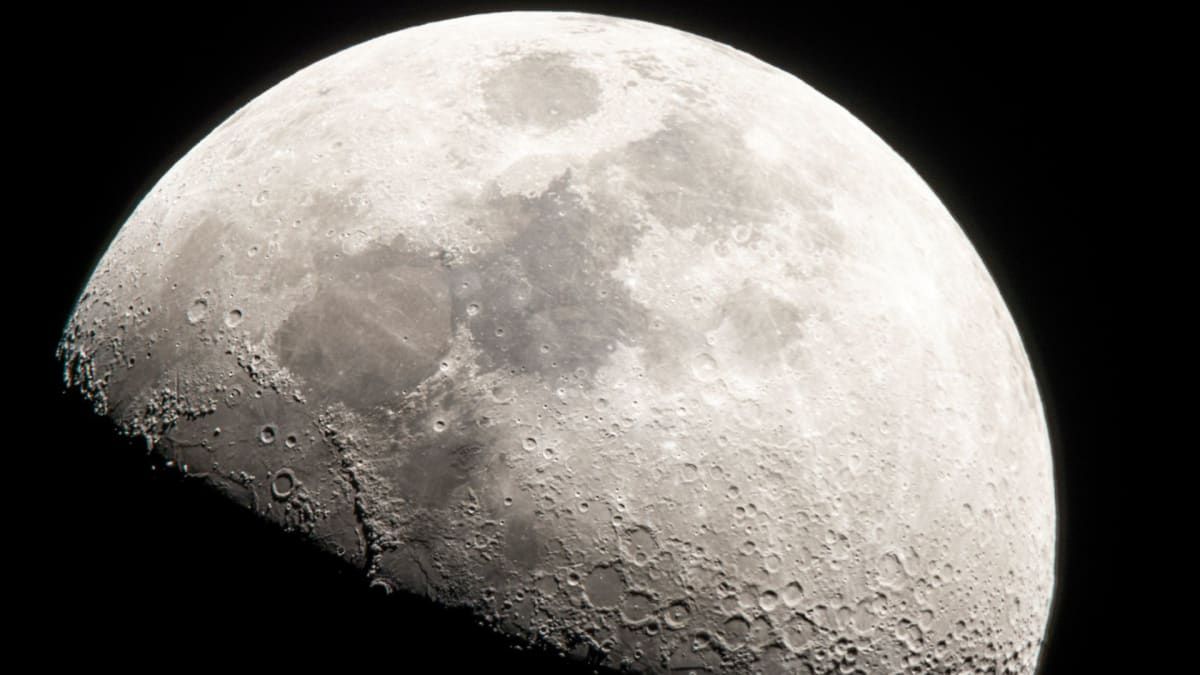
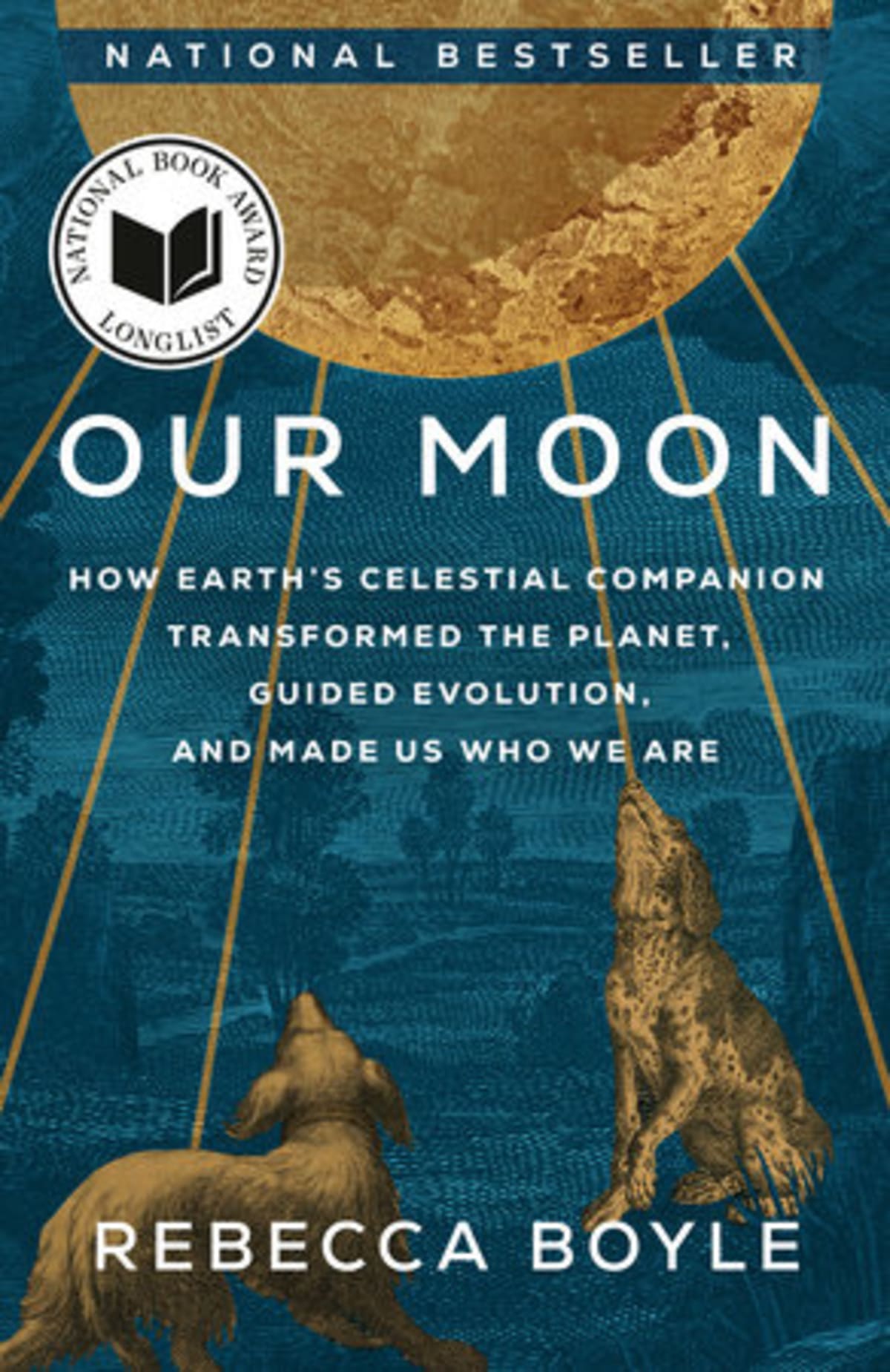
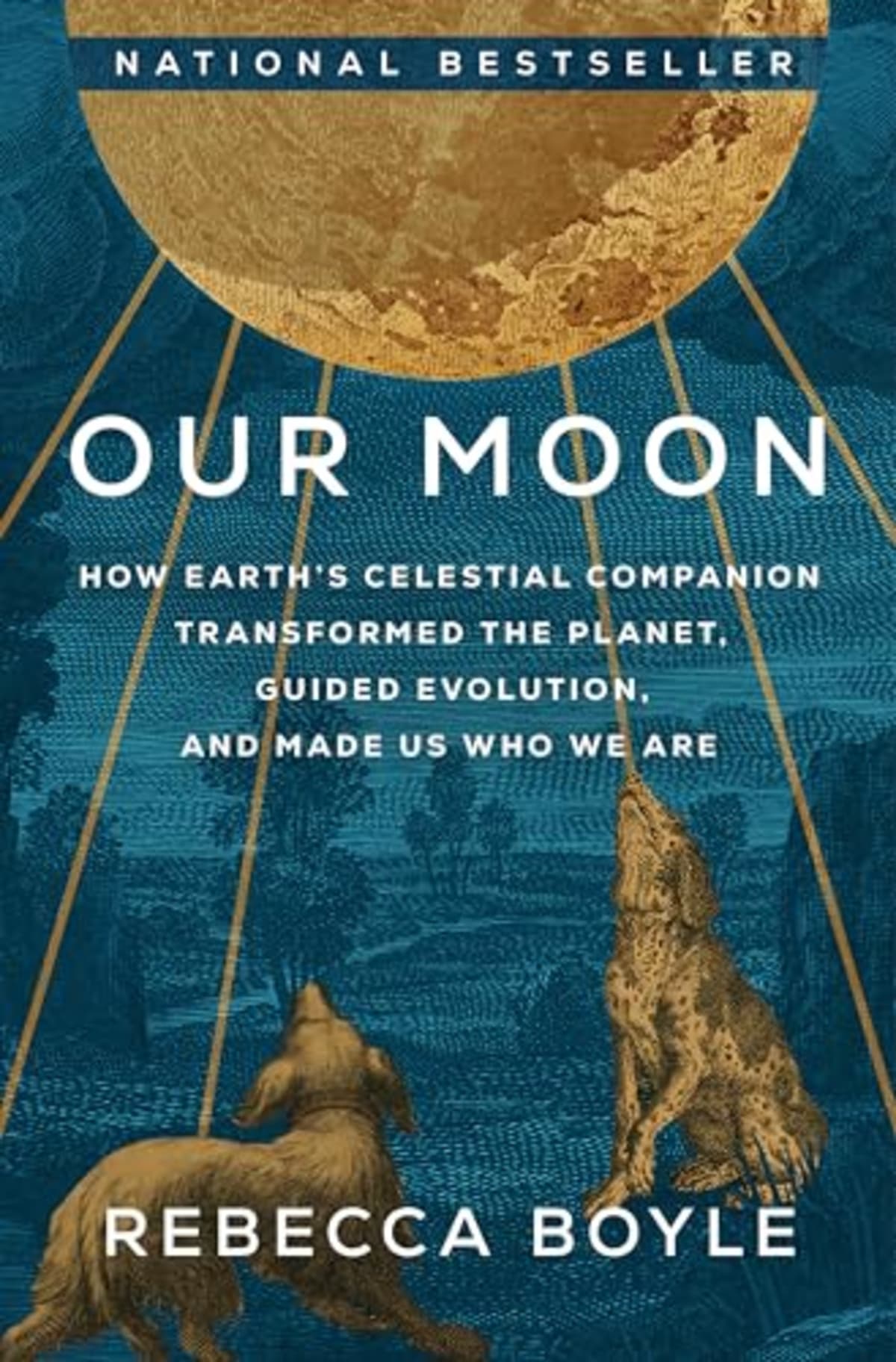
NASA's Artemis II mission marks humanity's return to the lunar system, opening a new chapter in how we connect with the moon. Science writer Rebecca Boyle explores this shift in her new book "Our Moon," tracing how our celestial companion has shaped everything from timekeeping to human evolution itself.
For thousands of years, humans have relied on the moon for practical purposes. Every continent developed lunar calendars, and many cultures still use them today, from the Hebrew calendar to China's Lunar New Year celebrations.
"The oldest relationship we have with the moon is through timekeeping," Boyle explains. The moon gave our ancestors something uniquely human: the ability to plan for the future.
But the moon's influence goes far deeper than calendars. Scientists now believe Earth's moon played a crucial role in making our planet habitable. Its size and distance help regulate Earth's climate and geological history in ways that smaller or closer moons simply couldn't.
The Apollo missions transformed the moon from mythology into reality. Astronauts brought home lunar samples that revealed surprising facts about the moon's composition and its connection to Earth's history.
Why This Inspires
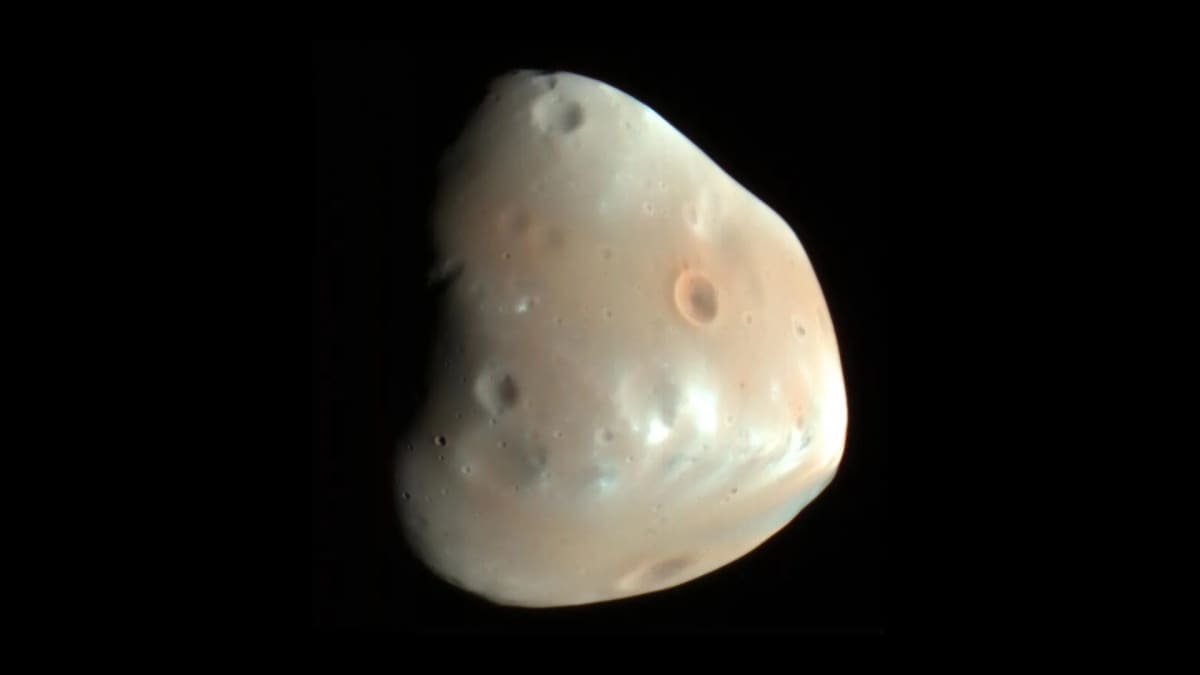
The Artemis program offers today's generation their own moon moment. Unlike Mars's potato-shaped satellites that just orbit aimlessly, our moon functions as a companion world.
"It's the only moon like it that we've ever found," Boyle notes. The combination of its large size and distance makes it exceptional in our solar system.
This mission creates an opportunity to reframe how we see our relationship with the moon. Rather than just a bright object in the night sky, the moon emerges as an essential partner in Earth's story and possibly in the development of life itself.
Scientists argue there's solid evidence that humans wouldn't exist without the moon. Its gravitational pull stabilizes Earth's tilt, creating consistent seasons that allowed complex life to flourish over billions of years.
The Artemis II crew will carry forward humanity's lunar legacy while writing new chapters. Their journey reminds us that exploration isn't just about reaching new places but understanding our cosmic origins.
As we prepare to return, the moon awaits, still holding secrets about where we came from and who we might become.
More Images

Based on reporting by Live Science
This story was written by BrightWire based on verified news reports.
Spread the positivity!
Share this good news with someone who needs it